
Tag: free safety training

In the dynamic landscape of contemporary workplaces, prioritizing safety is not just a legal requirement but a fundamental responsibility. Kevin Ian Schmidt Consulting stands as a beacon, offering a suite of Free Safety Training Downloads that redefine the approach to workplace safety, proving to be a game-changer for organizations across industries.

Expertise You Can Trust

Kevin Ian Schmidt Consulting boasts a team of seasoned experts with a wealth of knowledge in occupational safety. Their Free Safety Training Downloads distill this expertise into accessible and actionable resources, ensuring that organizations, regardless of size or sector, can benefit from the wisdom of seasoned professionals.

Tailored to Your Industry

Recognizing the diverse nature of industries, Kevin Ian Schmidt Consulting’s Free Safety Training Downloads are tailored to meet the specific needs of various sectors. Whether you’re in manufacturing, healthcare, construction, or any other field, the downloads provide industry-specific insights, addressing potential hazards and safety protocols relevant to your environment.

Comprehensive Compliance

Navigating the intricate web of safety regulations can be daunting. Kevin Ian Schmidt Consulting’s Free Safety Training Downloads function as a compass, guiding organizations through the intricacies of compliance. By staying updated with the latest legal requirements, businesses can mitigate risks, ensuring a secure and legally sound work environment.

Cost-Efficiency Redefined

One of the standout features of Kevin Ian Schmidt Consulting’s offerings is their commitment to accessibility. By providing Free Safety Training Downloads, they break down financial barriers that might prevent smaller businesses from accessing expert guidance. This democratization of safety resources fosters a culture of compliance, even for organizations with limited budgets.

Empowering Your Workforce

Safety isn’t just a set of rules; it’s a mindset. Kevin Ian Schmidt Consulting’s Free Safety Training Downloads go beyond compliance by empowering the workforce. The resources are designed not only to educate but to inspire a collective commitment to safety. Informed employees are proactive employees, contributing to a culture where safety is everyone’s responsibility.

Proactive Risk Mitigation

Preventing accidents is far more effective than reacting to them. The Free Safety Training Downloads incorporate a proactive approach to risk management. By identifying potential hazards and offering guidelines for their prevention, organizations can significantly reduce the likelihood of accidents, minimizing downtime and associated costs.

Continuous Improvement

In the ever-evolving landscape of workplace safety, staying stagnant is not an option. Kevin Ian Schmidt Consulting’s commitment to excellence is reflected in their continuous updates and enhancements to the Free Safety Training Downloads. Organizations can rely on these resources as living documents, ensuring they stay relevant and effective in addressing emerging safety challenges.

In conclusion, Kevin Ian Schmidt Consulting’s  Safety Training Downloads are a catalyst for transforming workplace safety from a compliance burden to a strategic advantage. By leveraging their expertise, tailoring resources to specific industries, ensuring compliance, and fostering a culture of empowerment, organizations can embark on a journey toward excellence in safety, ultimately creating workplaces where employees thrive and businesses flourish.

  • Glad Hand Lock Training

    Glad Hand Lock Training

    Loading dock fatalities and serious injuries occur when there is unwanted separation between the trailer or truck being loaded and the loading dock. A glad hand lock can be used to secure a trucks air lines from connecting to the trailer, which means they won’t be pressurized, therefore they will be engaged.

    Trailer Air Brake Lock for Trailers and Containers

    Trailers and containers hold precious cargo, so keeping them secure is critical. That’s where Trailer air brake locks step in, acting as security ninjas for your glad hand mounting bolts. They cover those little guys like a knight’s shield, stopping unauthorized tampering with brake lines and preventing trailer takeoffs by surprise.

    Think Fort Knox for your fleet: This isn’t some flimsy padlock. We’re talking a high-security, push-button locking cylinder that makes unauthorized access about as easy as cracking a bank vault. Installation’s a breeze too, so you can get these guardians on duty in no time.

    But wait, there’s more! These locks aren’t just security superstars, they’re also safety chameleons. They seamlessly integrate with your lockout/tagout procedures, adding an extra layer of protection during maintenance and repairs. It’s like a two-in-one deal for ultimate peace of mind.

    So, whether you’re a big rig boss or a warehouse whiz, Trailer Air Brake Locks are your secret weapon for shielding your assets and safeguarding your crew. They’re a must-have in any comprehensive security strategy, ensuring your cargo and equipment stay put while your team works safely and efficiently.

    Remember: Security isn’t an option, it’s an investment. Invest in Trailer Air Brake Locks and watch your worries disappear faster than a truck down the highway.

    Glad Hand Lock Common Questions

    Can a glad hand lock be used in place of wheel chocks?

    • No. The lock should be used in addition to wheel chocks or dock locks. They are an additional layer of security.

    Can a glad hand lock be used in place of a king pin?

    • Yes. While a king pin prevents the truck from connecting to the trailer, a glad hand lock prevents the brakes from being energized. Best practice is to use both, whenever possible.

    Can a trailer move with a glad hand lock in place?

    • Yes. Trucks can connect to the trailer and pull it, but with the brakes engaged, the wheels won’t turn.

    Is glad hand lock usage required by OSHA?

    • General industry regulations relative to truck loading docks are largely embedded in requirements for Powered Industrial Trucks (1910.178). Specific requirements aimed at preventing trailer/dock separation incidents appear below:1910.178(k)(1): The brakes of highway trucks shall be set and wheel chocks placed under the rear wheels to prevent the trucks from rolling while they are boarded with powered industrial trucks.1910.178(m)(7): Brakes shall be set and wheel blocks shall be in place to prevent movement of trucks, trailers, or railroad cars while loading or unloading.OSHA has issued directives and interpretations that allow alternatives to chocking to prevent trailer/dock separation. Verbiage from a September 14, 2005 letter of interpretation summarizes the Agency’s most current position:“. . . in light of the changes in technology since the promulgation of 29 CFR 1910.178(k)(1) and (m)(7), OSHA as a matter of policy will regard failure to use wheel chocks or blocks as a de minimis violation and no citation will be issued if alternative methods of preventing truck movement are used. These alternatives may include the use of dock lock mechanisms, dock monitoring systems, or other systems which will prevent the unintentional movement of trucks and trailers while being boarded with powered industrial trucks.”

    This training will teach employees how to put on and take off a glad hand lock. Besides making this part of an employee’s dock safety training, this sheet can be laminated and placed at the glad hand lock station to remind employees how to use them.


    Do you have other Loading Dock Safety needs? We also offer the following:

    Download the Glad Hand Lock Training below

    View the Glad Hand Lock Training below


  • How Accurate is Your Company’s Incident Reporting?

    How Accurate is Your Company’s Incident Reporting?

    In any organization with a system for reporting accidents and incidents, there is always the risk of underreporting or overreporting. This discrepancy can significantly reduce the effectiveness and reliability of the reporting process. Accurate reporting is crucial because you can’t address issues that you aren’t aware of, and often, “near misses” serve as early warnings for potential serious injuries or accidents.

    When there is a suspicion of underreporting, it’s essential to ask several critical questions to ensure that all relevant information about accidents and no-harm incidents is captured. This is necessary so that appropriate preventive measures can be implemented. To address the issue, it is important to take a step back and examine the organization’s culture. Understanding what behaviors and actions are being rewarded or punished is key to identifying the root causes of underreporting.

    According to a basic principle of human behavior, “Things that get rewarded or recognized, get done.” In the context of accident and incident reporting, this means that employees are more likely to report incidents if they are positively acknowledged for doing so, and less likely if they fear negative consequences. Therefore, two fundamental questions must be asked: “Are employees being punished or blamed for reporting incidents?” and “Are employees being rewarded, either implicitly or explicitly, for not reporting?”

    If the answer to either question is yes, it becomes clear how these conditions can influence human behavior and lead to underreporting. For example, if employees feel that reporting an incident will result in punishment or blame, they may choose not to report it. Conversely, if they believe that not reporting incidents will help them avoid trouble or gain rewards, they may be incentivized to keep issues under wraps. In both scenarios, the organization’s culture and policies play a significant role in shaping reporting behaviors.

    To address these issues, organizations must foster a culture that encourages open and honest reporting without fear of repercussions. This involves creating a safe and supportive environment where employees feel comfortable sharing information about incidents and near misses. Recognizing and rewarding accurate and timely reporting can also help promote a culture of transparency and continuous improvement. By doing so, organizations can ensure that they have a complete understanding of workplace hazards and can take proactive steps to prevent accidents and injuries, ultimately creating a safer work environment for everyone.

    Does your company need more components of an incident reporting program? I have many posts to help you here

    Human behavior is often shaped by the outcomes that individuals and groups experience as a result of their actions. If employees are rewarded for not reporting accidents, they are likely to continue withholding this information because the consequences reinforce that behavior. Conversely, if reporting accidents leads to punishment or blame, employees will naturally try to avoid these negative outcomes by not reporting incidents. In both scenarios, underreporting becomes a common practice, which can create a false sense of security within the organization. Management may mistakenly believe that their workplaces are becoming safer when, in reality, crucial information about potential hazards is being suppressed.

    Unfortunately, many organizations implement incentive programs aimed at improving safety, but these initiatives often have the unintended consequence of merely altering the reported statistics rather than enhancing actual safety. In these cases, safety statistics can become highly unreliable, as they may not accurately reflect the true state of workplace safety. It is entirely possible for unsafe practices to occur without being captured in the statistics, thereby weakening the connection between reported data and the actual level of safe behavior within the organization.

    In some organizations, particularly those with multiple sites or divisions, a competitive element is introduced into safety reporting. This approach often exacerbates the problem of underreporting. When safety performance is turned into a competition, managers may feel pressured to avoid appearing at the bottom of safety rankings. The fear of being scrutinized or criticized for poor safety records can lead to deliberate underreporting of incidents. Managers may choose not to report accidents or near misses to avoid raising questions about their leadership or facing demands to “get your people to work safely.”

    This competitive atmosphere creates an environment where the focus shifts from genuinely improving safety to simply maintaining appearances. As a result, the organization may continue to operate under the illusion that safety is improving when, in fact, serious risks are being overlooked. This can have dangerous consequences, as the true state of safety within the workplace remains hidden, and opportunities to address and mitigate hazards are missed.

    To cultivate a truly safe working environment, organizations must prioritize accurate and honest reporting over superficial improvements in safety statistics. This requires a cultural shift away from punitive or reward-based systems that inadvertently encourage underreporting. Instead, organizations should foster an environment where reporting is seen as a positive and essential component of workplace safety. By doing so, they can gain a realistic understanding of safety conditions and take meaningful steps to protect their employees, rather than relying on misleading data that only serves to mask underlying problems.


    The solution to this issue is 2 fold:

    The first step in addressing the issue of accurate incident and accident reporting is to foster a deeper understanding of human behavior among managers and executives. Far too often, organizations invest substantial time, money, and effort in training leaders on the financial and operational aspects of the business, yet they overlook the importance of equipping these individuals with knowledge about the science of human behavior. This oversight leads to the implementation of initiatives that fail to address the underlying reasons behind why people act the way they do, especially in the context of safety reporting.

    When managers and executives lack an understanding of human behavior, they may inadvertently create environments that discourage honest reporting. For instance, if leaders are not aware of how fear of punishment or desire for rewards can influence employees’ decisions to report—or not report—incidents, they might unintentionally reinforce behaviors that lead to underreporting. Without this foundational knowledge, even well-intentioned safety programs can miss the mark, resulting in a false sense of security and a failure to address real safety issues.

    To effectively promote a culture of safety, it is crucial that those in leadership positions understand the psychological factors that drive human behavior. This understanding allows them to create policies and practices that encourage transparency and honesty in reporting, rather than fostering environments where employees feel pressured to hide incidents to avoid negative consequences.

    The second solution to improving incident and accident reporting is to ensure that employees are thoroughly trained in incident reporting, incident investigations, and root cause analysis. It’s not enough to simply track the number of incidents that are reported; organizations must also delve deeper into understanding the root causes of these incidents and take corrective actions to address them. Many companies fall short by focusing solely on the incidents that are reported, without considering the underlying hazards that may have contributed to them. This narrow focus can lead to a reactive approach to safety, where issues are only addressed after an incident has occurred, rather than proactively identifying and mitigating risks before they result in harm.

    Proper training in incident reporting and investigation empowers employees to identify and report potential hazards, even if an incident hasn’t yet occurred. Root cause analysis, in particular, is a critical tool for uncovering the fundamental reasons behind accidents and near misses. By identifying these root causes, organizations can implement corrective measures that address the source of the problem, rather than just treating the symptoms. This approach not only helps to prevent future incidents but also contributes to the overall safety culture within the organization.

    In summary, the key to resolving the challenges of incident and accident reporting lies in two main strategies: first, educating managers and executives on the intricacies of human behavior, and second, providing employees with comprehensive training on incident reporting, investigations, and root cause analysis. By integrating these elements into the organizational culture, companies can create a more transparent, proactive, and effective approach to workplace safety. This not only protects employees but also strengthens the organization’s ability to maintain a safe and productive work environment.

    Download & View the Accident Investigation for Leaders Training below:

  • 5 Why Training – Root Cause

    5 Why Training – Root Cause

    One of the key business success factors that I have followed throughout the years is that of always trying to determine the root cause of any business problem. I focus on the root cause because anything less than that will not allow you to solve the problem completely.

    The reason that this is important is because most people only look as far as the symptoms that are causing the problem, not the root cause.

    There is an easy way to determine the root cause of a problem and it is called “The 5 Whys.”

    Many years ago the founder of Toyota Corporation, Sakichi Toyota, developed “The “5 Why” technique that was and is used within the corporation’s manufacturing methodologies. It is still considered a critical component of problem-solving at Toyota today.

    “The 5 Why” process is simply asking the question “Why” 5 times. Let me give you an example of only getting to the symptoms of a problem.

    -My car won’t start (the problem)

    WHY?

    -The battery is dead (the symptom)

    So the solution to the problem in this case is to recharge the battery. But the following week, you have the same dead battery problem. So you go to the auto parts store and purchase a new battery because the old battery apparently will not take a charge.

    However, the following week the new battery is also dead.

    So while you addressed the symptom of the problem, you really did not solve the entire problem because the battery continues to go dead.

    Check Out: The 5 Why Method of Root Cause Analysis
    If you are looking for assistance with completing a root cause investigation, I made a book to help you out, check it out on Amazon here

    Now. let’s take the same problem and apply “The 5 Whys” process.

    -My car won’t start (the problem)

    1. Why

    -The battery is dead

    2. Why

    -The alternator doesn’t work

    3. Why

    -The alternator belt is broken

    4. Why

    -It was worn and I didn’t replace it

    5. Why

    I was too lazy

    So the root cause as to why the car won’t start is the person’s laziness, not the dead battery. The dead battery is a symptom. The key is to urge yourself not to assume anything and to avoid logic traps. Instead, the solution is to follow the symptoms through “The 5 Whys” until you find the root cause of the problem.

    Often times, you will see that the root cause of the problem is not identified because you have a flawed process in place or no process at all. In this case you should be asking the question, what is the process that is in place, if there is one, and if so, is it the right process.

    In addition, a key phrase to keep in mind in any “5 Why” exercise is that people do not always fail. Sometimes process do.

    Identifying the root cause of any problem is critical to your success. Most people only identify the symptoms of a problem and then, after addressing the symptoms, wonder why the problem continues to reoccur.

    To facilitate better root cause analysis in the workplace, I published a Root Cause Analysis workbook available on Amazon.

    Download the 5 Why Method Training below:

    View the 5 Why Method Training below:

  • Welding Safety Training

    Welding Safety Training

    Welding is a general term for various processes used to join metal parts by producing a coalescence, called a weld, at a joint. This is usually done by applying heat and energy when bringing the pieces of metal together.

    Welding has many applications. Some welded products include ships, aircraft, automobiles, electric and electronic parts, and in building and construction work. Although over 50 welding processes are used today, the most common ones are gas welding and arc welding.

    Welding is a hazardous process that joins materials together by melting a metal work piece along with a filler metal to form a strong joint.

    What is Welding?

    Coalescence occurs when two metals seem to pull together, or grow into one body, of the base metal parts when there is the slightest contact. There are two basic requirements for coalescence: heat and intimacy of contact.

    Heat: Welding processes differ depending on the source of heat, the manner in which heat is applied or generated, and the intensity of the heat. The fuel used as a heat force may be:

    • acetylene or hydrogen in air or in oxygen;
    • an electric arc;
    • an electric, gas, or oil furnace;
    • the resistance of metal to the flow of electric current; or
    • a chemical reaction between a metal oxide and finely divided aluminum.

    The intensity of heat applied or generated at the joint varies according to the metals being joined and to the welding process being used. All welding processes, except brazing, use temperatures high enough to melt the base metals. However, all welding, cutting, and brazing processes generate enough heat to seriously injure workers.

    Intimacy of Contact: The second basic requirement for coalescence, intimacy of contact, is accomplished in two ways: pressure processes and non-pressure processes. In pressure processes, there is no space between the surfaces being joined. Welders apply pressure while the contact surfaces are at a high enough temperature to allow plastic flow of the metal. In non-pressure processes, the space between the joined surfaces is filled with molten metal.

    Oxyacetylene Welding/Cutting

    Oxyacetylene welding or cutting is also called torch or gas welding or cutting. Two metals are joined by melting or fusing their adjoining surfaces in the process. This is done by directing a flame from burning gas (usually acetylene) to melt metal at a joint to be welded, and is a common method for welding iron, steel, cast iron, and copper.

    Oxyacetylene Cylinders: Oxyacetylene equipment consists of a cylinder of acetylene, a cylinder of oxygen, two regulators, two lengths of hose with fittings, a welding torch with tips, and either a cutting attachment or a separate cutting torch.

    Accessories include a friction igniter to light the torch, an apparatus wrench to fit the various connections on the regulators, the cylinders, and the torches; goggles with filter lenses for eye protection; and gloves for protection of the hands. Flame-resistant clothing is worn when necessary.

    Regulators: Reduce the gas pressure in a cylinder to a suitable working pressure before it can be used. This is done by a regulator or reducing valve. Regulators are either the single-stage or the double-stage type:

    • Single-stage regulators reduce the pressure of the gas in one step;
    • two-stage regulators do the same job in two steps or stages. Less adjustment is generally necessary when two-stage regulators are used.

    Acetylene regulators and oxygen regulators are of the same general type, although those designed for acetylene are not made to withstand such high pressures as are those designed for use with oxygen cylinders.

    Welding Torches: The oxyacetylene welding torch is used to mix oxygen and acetylene gas in the proper proportions and to control the volume of these gases burned at the welding tip.

    • Torches have two needle valves, one for adjusting the flow of oxygen and the other for adjusting the flow of acetylene.
    • They have a handle (body), two tubes (one for oxygen and one for acetylene), a mixing head, and a tip.
    • Welding tips are made from a special copper alloy, which dissipates heat (less than 60 percent copper), and are available in different sizes to handle a wide range of plate thicknesses.

    Hoses: Hoses used to make the connection between a torch and a regulator are strong, nonporous, and flexible and light enough to make torch movements easy. It is made to withstand high internal pressures, and the rubber used in its manufacture is specially treated to remove sulfur to avoid the danger of spontaneous combustion.

    The hoses used for acetylene and oxygen are the same in grade, but they differ in color and have different types of threads on the hose fittings. The color codes are as follows:

    • The oxygen hose is GREEN.
    • The acetylene hose is RED.

    For added protection against mixing of the hoses during connection:

    • The oxygen hose has right-hand threads and the acetylene hose has left-hand threads.
    • The acetylene fittings have a notch that goes around the circumference of the fittings for an additional identification factor.
    Check Out: Budgeting for Training

    Electric Arc Welding and Cutting

    Arc welding is the process in which fusion is produced by heating with an electric arc that is generated between an electrode and the surface of the base metal.

    Arc cutting is the process in which the cutting or removal of metals is done by melting with the heat of an arc between an electrode and base metal.

    In electric welding, electrodes form a part of the electrical circuit. In gas tungsten arc welding, electrodes melt off and are a source of the filler metal supply.

    • Solid Electrodes- These electrodes are consumable (composed of steel, copper, aluminum, various alloys, and other metals) or non-consumable (primarily tungsten). They produce less fumes, compared with flux-cored wire or coated electrodes.
    • Covered and Coated Electrodes- These are the largest group of electrodes used in welding. The covering provides the flux from the weld. Major metals from the coatings include fluoride, nickel, iron, chromium, manganese, copper, and molybdenum.

    Overexposure to these substances can cause injury and illness over the long-term.

    For more information on arc welding, read Safe Arc Welding by Lincoln Electric.

    Brazing

    Brazing is a welding process using nonferrous filler alloys that do not contain iron or steel and have a melting point above 840°F but below that of the base metal. Brazing is also called ‘hard soldering’ or ‘silver soldering.

    Brazing is the only welding process in which the melting of the base metal is not necessary for coalescence. Coalescence occurs when two metals seem to pull together, or grow into one body, of the base metal parts when there is the slightest contact. Click here for more information on brazing alloys.

    Soldering

    Soldering is a joining process using non-ferrous filler alloys. Soft soldering uses alloys that melt between 190°F to 840°F and is used in electronics, plumbing, and joining sheet metal parts. Soldering is not considered a welding process. Lead and tin are common alloys used in soldering, but there is also less common lead-free solder to decrease environmental impacts.

    Check Out: 10 Reasons Why Safety Training is Often Ineffective

    Welding Defects

    Defects in welds can cause unforeseen injuries and accidents. Common weld defects to be familiar with to ensure your safety include:

      • Incomplete fusion: Incomplete fusion occurs when the weld fails to fuse one side of the joint in the root. The most common type of incomplete fusion is overlap.
      • Inadequate joint and root penetration: Inadequate joint and root penetration is cause for rejection of a weld even if it is sound in all other respects. The strength required in a weldment is achieved only when the specified joint and root penetration is achieved.
      • Spatter: Spatter is the term used to describe metal particles or globules expelled during welding and that do not form part of the weld. When spatter occurs, small balls of metal are stuck to the surface of the base metal along the line of weld.
      • Overlap: Overlap is a protrusion of the weld metal beyond the bond at the toe of the weld. This is the most common type of incomplete fusion.
      • Undercut: An undercut is a groove melted into the base metal adjacent to the toe and not filled with weld metal.
      • Root cracks: Root cracks are similar to toe cracks except that they occur at the root of the weld. Root cracks may be in the weld metal or in the base metal.
      • Toe cracks: Toe cracks occur in the base metal, at the toe of the weld.
      • Crater cracks: One common kind of crack is the crater crack. This occurs in the crater or depression at the termination of a weld bead in gas or arc welding.
      • Underbead cracks: Underbead cracks occur in the heat-affected zone underneath a bead and do not extend to the surface of the metal.
      • Voids: Voids, also called gas pockets or blow holes, occur as the result of gas being absorbed during the welding and then trapped as the metal solidifies.
      • Inclusions: Slag inclusion is the term used to describe the weld defect in which non-metallic solid material is trapped in the weld metal or at the bond between the weld metal and the base metal.

    Welding Hazards

    Protecting yourself when performing welding operations depends on your understanding of the hazards involved and the proper way to control them. Controlling welding hazards includes avoiding eye injury, respiratory protection, ventilation of the work area, protective clothing, and having safe equipment to use.

    Gas Welding Hazards

    Since gas welding is slower and easier to control than electric arc welding, it is commonly used in general maintenance work, brazing, and soldering.

    Equipment: Oxyacetylene equipment consists of a cylinder of acetylene, a cylinder of oxygen, two regulators, two lengths of hose with fittings, a welding torch with tips, and either a cutting attachment or a separate cutting torch. Accessories include a friction igniter to light the torch, an apparatus wrench to fit the various connections on the regulators, the cylinders, and the torches; goggles with filter lenses for eye protection; and gloves for protection of the hands. Flame-resistant clothing is worn when necessary.

    Acetylene (chemical formula C2H2): a fuel gas made up of carbon and hydrogen. When burned with oxygen, acetylene produces a very hot flame, having a temperature between 5700°F and 6300°F. Acetylene gas is colorless, but has a distinct, easily recognized odor.

    MAPP (methylacetylene-propadiene) gas: an all-purpose industrial fuel that has the high flame temperature of acetylene and the handling characteristics of propane.

    • MAPP is not sensitive to shock and nonflammable in the absence of oxygen. There is no chance of an explosion if a cylinder is bumped, jarred, or dropped. The cylinders may be stored or transported in any position with no danger of an explosive air pocket being formed.
    • MAPP toxicity is rated “very slight,” but high concentrations (5,000 ppm) may have an anesthetic effect. Local eye or skin contact with MAPP gas vapor causes no adverse effect. However, the liquid fuel will cause dangerous frostlike burns due to the temperature at which MAPP gas should be stored.

    Oxygen: a colorless, tasteless, odorless gas that is slightly heavier than air. Oxygen will not burn by itself, but it will support combustion when combined with other gases.

    • Take extreme care to ensure compressed oxygen does not become contaminated with hydrogen or hydrocarbon gases or liquids.
    • A highly explosive mixture will be formed if uncontrolled compressed oxygen becomes contaminated. Oxygen should NEVER come in contact with oil or grease.
    • Oxygen cylinders are supplied in several sizes. The size most commonly used 9 1/8 inches in diameter, weighs about 145 pounds, and has a capacity of 200 cubic feet. At 70°F, the gas is under a pressure of 1800 psi.
    Check Out: How to Put Together a Workplace Safety Training Workshop

    Arc Welding Hazards and Precautions

    Safe procedures and practices must always be used when working around or with arc welding equipment to avoid being injured.

    Avoid the following hazards in arc welding:

    • radiation from the arc, in the form of ultraviolet and infrared rays
    • flying sparks and globules of molten metal
    • electric shock
    • metal fumes
    • burns

    Radiation: Radiation from the arc is hazardous to the eyes. Eyes should be protected from radiation from the arc by use of an arc welding helmet or face shield with approved lenses.

    • Cover the face, hands, arms, and other skin surfaces to prevent exposure to the radiation.
    • Gloves should be worn and other parts of the body covered by clothing of sufficient weight to shut out the rays of the arc.
    • Without proper clothing, burns comparable to sunburn will result.

    Arc Flash: When possible, shield arc-welding operations so no one may accidentally look directly at the arc or have it shine or reflect into his or her eyes.

    • An arc “flash” may cause a person to be temporarily blinded.
    • The severity of an arc flash and the time it will take to recover varies with the length of time a person was exposed to the arc.
    • Long exposure has been known to cause permanent damage to the retina of the eye.
    • If someone is severely “flashed,” medical personnel should provide special treatment at once.

    Electric Shock: Avoid the possibility of dangerous electric shock by using insulated electrode holders and wearing dry leathers and gloves.

    • When possible, avoid using arc-welding equipment in wet or damp areas.
    • Perform arc-welding only in an area that is well-ventilated.

    Flying sparks: usually accompany arc welding. These present a hazard if they strike unprotected skin, lodge on flammable clothing, or hit any other flammable material.

    • When arc welding, wear suitable weight clothing and cuffless trousers.
    • Cover pockets so they will not collect sparks, and remove any flammable materials, such as matches, plastic combs, or gas lighters.
    • Wear the proper foot protection. Wear high top boots with steel toes.

    Hot Metal and Burns: Hot metal and flying sparks have the potential to cause serious burns. Never handle it with bare hands until it has cooled naturally or has been quenched in the quenching tank.

    Be sure to use leather gloves with tight fitting cuffs that fit over the sleeves of the jacket. Many welders wear a full set of leathers that consists of the following:

    • jacket or set of sleeves
    • gauntlet gloves
    • leggings
    • spats
    • apron
    • welders hat liner

    In gas welding, the high temperatures of the welding flame and the sparks will burn skin. Gas welding can also cause radiation burns due to infrared rays emitted by the red-hot material. Wear flame-resistant or flame-retardant clothing and hair protection at all times.

    Gases and Fumes: Fluxes used in certain welding and brazing processes produce vapors that are irritating to the eyes, nose, throat, and lungs. Welding fumes and gases generally come from the following sources:

    • base material being welded or the filler material used
    • coatings and paints on the metal or electrode coatings;
    • shielding gases supplied from cylinders;
    • chemical reactions due to ultraviolet light of the arc and heat; and
    • contaminants in the air from cleaners and degreasers.

    Perform welding in a well-ventilated area and always wear approved safety goggles. Here are a few options:

    • The darkest shade of the goggles that still show a clear outline of the work without producing eyestrain is recommended.
    • Sunglasses are not adequate.
    Have you ever tested your knowledge on safe welding? Do so at the welding safety quiz I have available here

    Download the Welding Safety Training below:

    View the Welding Safety Training below:

  • Machine Guarding Basics

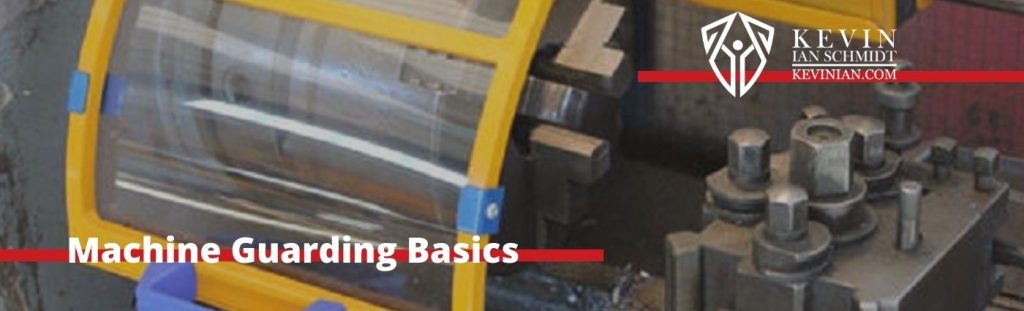
    Machine Guarding Basics

    Moving machine parts have the potential to cause severe workplace injuries, such as crushed fingers or hands, amputations, burns, or blindness.

    Amputations, lacerations, and abrasions are costly and have the potential to increase workers’ compensation premiums.(Amputation is one of the most severe and crippling types of injuries in the occupational workplace, often resulting in permanent disability.) Due to this fact, OSHA (Occupational Safety & Health Administration) has established a set of standards around machine guarding.

    The purpose of machine guarding is to protect the machine operator and other employees in the work area from hazards created during the machine’s normal operation.

    Many companies adopt three basic practices when it comes to machine guarding in the workplace:

    • Safeguard the point of operation – the point of operation must be guarded to protect the operator from injury – OSHA 1910.212
    • All operators of production equipment must be properly trained on the equipment they will be working on.
    • Implant the value, and apply the best safety practices, for safety for all employees at all times.


    Based upon the point of safeguarding the point of operation, OSHA mandates that there be at least one type of guarding mechanism in place.  The purpose of this guarding is to:

    • Prevent contact with areas of the device that could cause injury
    • Secure the device (and the machine guard) so that certain parts cannot be manipulated or tampered with by personnel
    • Protect against splatter or falling debris while using the machine during normal operation or during maintenance
    • Avoid causing additional hazards as a result of the machine guard installation such as sharp edges or pinching mechanisms
    • Allow easy operation of the machine without interfering with productivity or efficient use of the device

    Employees require training in the need and value of machine guards, as well as how to work with them in place, how to remove them for maintenance, and what to do if they break or go missing.

    Machine guarding can only provide protection if the people operating, maintaining and working near the equipment are properly trained and understand how it works. OSHA identifies several factors for a thorough documentation and training program, including:

    • Identifying the hazards and providing a description for each.
    • Identifying each of the physical guards and/or devices and defining which hazards they protect against and how.
    • How to appropriately use the safeguards.
    • Who can remove the safeguards and why (maintenance, repair, etc.).
    • Protocol when a guard is missing, damaged or malfunctioning.
    • Any PPE when required. If you need any additional information on PPE, check out this guide.

    Unlike many other regulations, OSHA offers guidelines for the training expectations here. Do not assume this training is all that is required, it is a guideline for training., not a substitute for training.

    When training employees emphasize that physical machine guards fall within 4 categories:

    • Fixed guards – designed as a permanent part of the device, these guards are sturdy and should not be removed or manipulated
    • Interlocked guards – when used these guards will disable or pause machine operations whenever they are raised, opened or removed
    • Adjustable guards – when a device needs protection but also needs to be adaptable to certain heights or angles, this type of guard is utilized and can be manually changed depending on the worker or the type of use
    • Self-adjusting guards – automatically adjusting guards are helpful for machines where operations require movement, such as trimming certain types of wood for furniture
    Check Out: How to Put Together a Workplace Safety Training Workshop

    Machine guarding should be routinely inspected to make sure all devices have the proper protection in place. If any machine guard breaks, cracks, or is damaged in any way there should be a priority action to address the issue.  Often it is best to completely replace the guard versus a repair because the structural integrity of the guard could be compromised.

    Employee buy-in for machine guarding is also critical. Getting upfront input from the key people operating your equipment is vital as you look to update or enhance guarding to ensure solutions that are both safe and have a good dose of common sense attached. Going forward, guarding should be an integral part of your training.


    Download our overview of machine guarding training below

    Read our overview of machine guarding training below

  • HCS Training for Supervisors

    HCS Training for Supervisors

    The  Hazard Communication Standard 2012 is now aligned with the United Nations Globally Harmonized System of Classification and Labeling of Chemicals (GHS) that provides many benefits, including:

    • Providing a common and coherent approach to classifying chemicals and communicating hazard information on labels and safety data sheets;
    • Improving the quality and consistency of hazard information in the workplace;
    • Helping reduce trade barriers;
    • Productivity improvements for American businesses that regularly handle, store, and use classified hazardous chemicals;
    • Providing cost savings for American businesses that periodically update safety data sheets and labels for classified chemicals.

    Historical note: The old HCS 1994 gave workers the right to know, but the HCS 2012 gives workers the right to understand: this is a very important change in OSHA’s approach.

    OSHA has defined the term “substances” as chemical elements and their compounds in the natural state or obtained by any production process, including any additive necessary to preserve the stability of the product and any impurities deriving from the process used, but excluding any solvent which may be separated without affecting the stability of the substance or changing its composition.

    For the purposes of the HCS, a hazardous chemical means any chemical which is classified as a physical hazard or a health hazard, a simple asphyxiant, combustible dust, pyrophoric gas, or hazard not otherwise classified.

    Physical hazards – a chemical that is classified as posing one of the following hazardous effects:

    • explosive
    • flammable (gases, aerosols, liquids, or solids)
    • oxidizer (liquid, solid or gas)
    • self-reactive; pyrophoric (liquid or solid)
    • self-heating
    • organic peroxide
    • corrosive to metal
    • gas under pressure or
    • in contact with water emits flammable gas

    See Appendix B to 1910.1200 — Physical Hazard Criteria.

    Health hazard – a chemical which is classified as posing one of the following hazardous effects:

    • acute toxicity (any route of exposure)
    • skin corrosion or irritation
    • serious eye damage or eye irritation
    • respiratory or skin sensitization
    • germ cell mutagenicity
    • carcinogenicity
    • reproductive toxicity
    • specific target organ toxicity (single or repeated exposure) or
    • aspiration hazard

    The criteria for determining whether a chemical is classified as a health hazard are detailed in 1910.1200, Appendix A – Health Hazard Criteria.

    HCS 2012 Pictogram Requirements

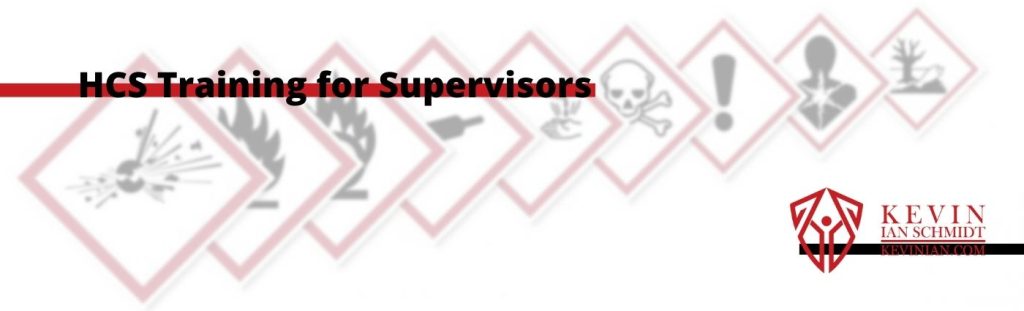
    The HCS 2012 requires GHS pictograms on labels to alert users of the chemical hazards to which they may be exposed. Each pictogram consists of a symbol on a white background framed within a red border and represents a distinct hazard(s). The pictogram on the label is determined by the chemical hazard classification.

    While the GHS uses a total of nine pictograms, OSHA will only enforce the use of eight. The environmental pictogram is not mandatory but may be used to provide additional information. Workers may see the ninth symbol on a label because label preparers may choose to add the environment pictogram as supplementary information.


    Under the HCS 2012, labels on containers shipped from manufacturers or distributors must be labeled, tagged or marked with the following six items:

    1. Product Identifier – This should include the chemical identity of the substance.
    2. Signal word – Signal words used in GHS are “Danger” and “Warning.” Danger is for the more severe hazard categories.
    3. Hazard Statements – This is a phrase assigned to a hazard class and category that describes the nature of the hazards of a hazardous product, and the degree of the hazard.
    4. Pictograms – These include symbols plus other elements, such as a border, background pattern or color that conveys specific information.
    5. Precautionary statements – These are phrases (and/or pictograms) that describe the recommended measures to minimize or prevent adverse effects resulting from exposure to a hazardous product.
    6. Supplier identification – This contains the name, address, and telephone number of the manufacturer or supplier of the substance or mixture.


    The employer must educate and train exposed employees on classified workplace chemicals.

    Employees must receive information and training that ensures their awareness of the chemical hazards used in their work area. Employers must provide this information when an employee is initially assigned to a work area where hazardous chemicals are present and before assignments involving new exposure situations.

    Check Out: How to Put Together a Workplace Safety Training Workshop

    Employees must be informed of:

    • the requirements of the HCS 2012
    • any operations in their work area where hazardous chemicals are present
    • the location and availability of the written hazard communication program (including the required list(s) of hazardous chemicals and SDSs required by the HCS)

    To make sure all training requirements are met, it is recommended to review each section of the SDS. Group discussion and examples can be effective training strategies to make the training more interesting to students. Demonstrating and practicing the use of PPE for properly using and cleaning up spills is especially important.


    GHS Educational Video from MCCS Video on Vimeo.

    Employee training must include at least:

    • Methods and observations that may be used to detect the presence or release of a hazardous chemical in the work area.
    • The physical hazard, health hazards, simple asphyxiation, combustible dust, and pyrophoric gas hazards, as well as hazards not otherwise classified, of the chemicals in the work area.
    • The measures employees can take to protect themselves from these hazards, including specific procedures the employer has implemented to protect employees from exposure to hazardous chemicals, such as appropriate work practices, emergency procedures, and personal protective equipment to be used.
    • The details of the hazard communication program developed by the employer, including an explanation of the labels received on shipped containers and the workplace labeling system used by their employer; the safety data sheet, including the order of information and how employees can obtain and use the appropriate hazard information.

    View and download the GHS Training for Supervisors

  • The Basics of PPE Training

    The Basics of PPE Training

    In many countries around the world, it is widely recognized that wearing protective equipment in various working environments is essential to protect the health and safety of workers. This is especially true in hazardous environments such as confined spaces, and in certain industries such as the oil and gas, marine, energy and petrochemical industries.

    Regardless of the environment however, the benefits of wearing personal protective equipment are the same. Whether the equipment in question is protective clothing or breathing equipment, it plays an essential role in protecting employees from injuries and illnesses.

    The type of equipment used in a workplace will all depend on the legislation of the country where the employees work. Some countries have strict regulations that absolutely must always be adhered to to prevent injury and even death.

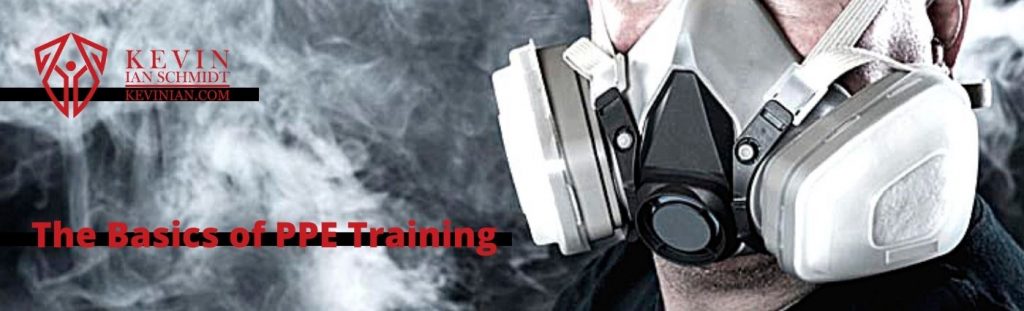
    In the first instance, certain items of apparatus used by employees can prevent both short term and long-term harm to the respiratory system. Breathing equipment is an essential component of this kind of protection.

    One example of where this is useful in the short term is in environments which are impossible to breathe in unaided, for example in areas where there is a very limited oxygen supply or the presence of poisonous gases. In these scenarios, breathing equipment is essential for directly protecting workers from immediate harm or loss of life.

    Check Out: 10 Reasons Why Safety Training is Often Ineffective

    A concrete illustration of this situation is seen with firefighters, who regularly work in extremely dangerous environments where smoke inhalation could cause fatalities in a short period of time. On the other hand, respiratory protective equipment can also help avoid the long-term negative consequences of inhaling certain toxic substances.

    In some places, air may be breathable but there may be exposure to gases or fumes that can cause health issues over several months or years. Respiratory protective equipment can also be used when entering environments where the air quality is unknown, offering optimal protection of health in potentially dangerous situations.

    Other common types of personal protective equipment include clothing to protect against falling objects and dangerous substances encountering the body. A common example of this type of equipment is the hard hat or helmet, which is worn in a number of different environments where wearers could potentially receive a serious or fatal blow to the head.

    Clothing worn on the body can also protect against toxic substances encountering the skin, for example in chemical plants. Whereas a falling object can have immediate consequences for the employee who is not wearing a hard hat, protective clothing can protect against instant harm such as burns and the effects of long-term exposure to harmful substances.

    Another sensitive area of the body is the eyes, which must also be protected in various hazardous environments in a vast number of different industries. One example of this is in the manufacturing industry, where sparks, flying particles of various substances and toxic liquids can enter the eyes.

    The consequences of all these foreign objects entering the eyes can be severe, therefore equipment such as protective goggles or glasses can be essential in many different environments.

    In addition to the examples mentioned above, there are many other types of personal protective equipment that can be used to protect the health and safety of workers in dangerous work environments. To determine which is the most appropriate, companies need to carry out detailed risk assessments before they invest in equipment.

    The importance of protective breathing equipment, clothing, and eye protection is essential in preventing employees from encountering a range of toxic materials or life-threatening situations – the right personal protective equipment can, and does, save many, many lives each year.

    View and download the Basics of PPE Training below:


  • Lockout/Tagout Training

    Lockout/Tagout Training

    In the comprehensive landscape of a Hazardous Energy Control Program, the significance of lockout/tagout training emerges as a pivotal and non-negotiable component.

    A key facet of this training is its mandatory nature for individuals engaged in Lockout/Tagout (LOTO) procedures. This training serves as a crucial investment in ensuring that those involved possess a nuanced understanding of the process while upholding the paramount principle of safety. It goes beyond the procedural aspects, providing an in-depth exploration of all facets related to executing a Lockout/Tagout. This includes a thorough explanation of the diverse energy sources that employees may encounter during the lockout process, fostering a holistic comprehension of potential hazards.

    Beyond the training for those directly involved in LOTO, there exists an additional training imperative aimed at employees who will be impacted by Lockout/Tagout measures. These are the “affected employees,” individuals working in areas that are directly influenced by a lockout. The focus of their training extends beyond procedural knowledge; it encompasses a profound understanding of the necessary actions in the event of a shutdown and how to appropriately handle the equipment in their work environment.

    This secondary training layer is designed not only for the direct safety of the affected employees but also bears a critical role in ensuring the well-being of those servicing the equipment. Premature release of a lock can have severe consequences, leading to injuries or even fatalities. Thus, instilling a robust understanding of shutdown procedures and equipment handling among affected employees becomes an integral part of a broader safety strategy.

    Need a more robust loto program? Check out Lockout-out/Tag-out training expanded

    In essence, the training initiatives within the Hazardous Energy Control Program are strategically structured to form a comprehensive safety net. They empower those directly involved in LOTO procedures with the knowledge needed for meticulous execution while extending this understanding to the broader workforce, particularly those working in areas influenced by lockout measures. This dual-layered approach not only meets regulatory requirements but fundamentally prioritizes the safety and well-being of all employees involved in or impacted by Hazardous Energy Control measures.

    An important component for a lockout/tagout program is a quality abandoned lock removal process

    Explore the critical process of safely removing lockout devices in a Lockout/Tagout (LOTO) program. Follow a documented procedure to prevent risks associated with abandoned locks, ensuring employee safety. Learn the Abandoned Lockout Lock Removal Process, approvals needed, and the importance of informing employees. Emphasize safety adherence, OSHA standards, and thorough documentation for a comprehensive lockout/tagout program.


    View the Basic Lock-out/Tag-out Training below:

    Download the Basic Lock-out/Tag-out Training below:


    View the Affected Employee Training below:


    Download the Affected Employee Training below:


    View the Affected Employee Training Video below:


  • Lock-out Tag-out Training Expanded

    Lock-out Tag-out Training Expanded

    Keeping everyone safe at work starts with effective lockout/tagout (LOTO) procedures. But simply knowing the steps isn’t enough – employees need hands-on practice and certification to prove they can apply their knowledge in real-world situations.

    Here’s how the process works:

    • Training kicks off: A qualified trainer, either one-on-one or in a classroom, breaks down the LOTO essentials. From identifying energy sources to applying locks and tags, every step is covered.
    • Putting theory into practice: Time to get physical! Under controlled conditions, employees simulate a real LOTO procedure, proving they can apply their knowledge safely and effectively. Pass this test, and you’re officially certified!
    • No one hazard left behind: The best training covers all energy types your workplace throws at you. If you’ve got both electrical and pneumatic dangers lurking around, the certification process should reflect that, using equipment that showcases both risks.
    • Certification with a twist: When it comes to reviewing certifications, there’s a cool twist. Not only does the original trainer observe, but certified employees can also join the party. This creates a self-sustaining “pay it forward” approach to LOTO safety, where everyone takes an active role in keeping their colleagues safe.

    By combining thorough training, hands-on practice, and a dynamic certification process, you can build a workplace where LOTO isn’t just a procedure, it’s a safety culture everyone champions. And that’s something worth celebrating!

    Remember: Safety first, always! Share your LOTO training tips and experiences in the comments below. Let’s keep the conversation going and make sure everyone goes home safe at the end of the day.

    Check Out: How to Put Together a Workplace Safety Training Workshop

    The certification should be performed annually, to ensure employees retain the necessary knowledge to perform their job safely.

    If an employee violates the Hazardous Energy Control Policy, before they can perform lockout/tagout again they must be recertified.

    Retain every certification form for active employees and forms for all terminated employees for 3 years after employment ends. This level of record retention will aid if there is ever an investigation after an injury related to uncontrolled hazardous energy.

    Do you need more components of a lockout/tagout program?

    View the expanded Lockout/Tagout Training below:

    Download the expanded Lockout/Tagout Training below:


    View the Lockout/Tagout Inspection Form below:

    Download the Lockout/Tagout Inspection Form below:

  • Heat Stress Policy and Training

    Heat Stress Policy and Training

    This year OSHA is putting a serious focus on heat stress, and your workplace needs to be ready to deal with it. Do you have a policy? Do you train employees on the dangers of heat stress? If not, I have you covered, so check it out and get to work keeping employees safe.

    Keeping employees safe during the hot and humid weather is very important, having a quality heat stress plan is important to that. This policy spells out how to keep employees safe during extreme weather.

    Most importantly to remember is that it isn’t just the heat that will impact employees, but the humidity, calculated within the heat index. Knowing what each level of the heat index can mean to employee safety is important, and having a response as levels increase will keep employees safe during extreme weather.

    Many companies assume that a heat stress policy is only important if employees are working outside, but this isn’t true, as being inside a building, even with A/C or great ventilation, can be equally dangerous, especially because employees may assume because they are inside, they aren’t susceptible to heat issues.

    A quality response to dangerous levels of heat is more than just staying hydrated, it includes cool down time, the buddy system, and educating employees to be aware for themselves.

    Download the Heat Stress Policy below


    View the Heat Stress Policy below

    Training staff to be aware of the dangers from heat is an important step towards keeping them safe.

    This training includes a specific section for supervisors, so they can be aware of how to assist employees in keeping safe during dangerous heat.

    Included in this heat awareness training is the signs of heat stress:

    • Heat Rash
    • Heat Cramps
    • Heat Exhaustion
    • Heat Stroke

    Raising awareness of these conditions will assist employees in seeking care before their conditions worsen, and they end up in a dangerous predicament.

    Check Out: How to Put Together a Workplace Safety Training Workshop

    This training should be administered in a presentation, with an opportunity to answer questions to be most effective, but sections can also be used at huddles to continually remind employees of the dangers that heat can present.


    Download the Heat Awareness training below


    Read the Heat Awareness Training below