
Deprecated: Optional parameter $full declared before required parameter $zip_path is implicitly treated as a required parameter in /home/kevinian/public_html/wp-content/plugins/unyson/framework/extensions/backups/includes/module/tasks/class--fw-ext-backups-module-tasks.php on line 985

Deprecated: Optional parameter $option_id declared before required parameter $value is implicitly treated as a required parameter in /home/kevinian/public_html/wp-content/plugins/unyson/framework/extensions/megamenu/helpers.php on line 193
Management Archives - Kevin Ian Schmidt

Category: Management

  • Guide to Using SharePoint as Your Department Information Hub

    Guide to Using SharePoint as Your Department Information Hub

    In today’s dynamic workplace, scattered docs and siloed knowledge are kryptonite to company success. But fear not, collaboration champions! SharePoint, the hidden gem within the Microsoft 365 realm, is here to swoop in and save the day. This guide isn’t just about manuals and menus; it’s your roadmap to transforming SharePoint into a vibrant information hub that empowers your team to conquer any project.

    Imagine this:

    • One-stop shop for everything: Ditch the endless email threads and file hunts. Create a central repository for policies, procedures, project documents, even team photos – all accessible with a single click.
    • Knowledge power: Unmask your department’s hidden experts. Build wikis, Q&A forums, and knowledge bases, fostering information sharing and turning everyone into a resource.
    • Goodbye, communication chaos: Break down silo walls with team site features like announcements, news feeds, and chat channels. Keep everyone in the loop, on the same page, and singing in key.
    • Tailored workflows, seamless collaboration: Forget clunky processes and lost approvals. Design custom workflows for document revisions, task management, and approvals, keeping projects moving like greased lightning.
    • Personalization for the win: Give everyone a stake in the hub. Customize dashboards, news feeds, and views to suit individual needs and preferences. No two colleagues, no two identical information experiences.

    This isn’t just about organization; it’s about igniting the power of your team. By breaking down information barriers and fostering open communication, you’re creating a dynamic hub where ideas spark, knowledge flows, and collaboration soars.

    Ready to roll up your sleeves and build your dream information hub? This guide will walk you through the entire process, from setting up your site to customizing features, managing access, and keeping everything sparkling clean. You’ll be a SharePoint pro in no time, guiding your department to collaborative nirvana.

    Remember, a well-oiled information hub isn’t just a tech feat; it’s a cultural shift. So grab your team, dive into this guide, and watch as your department transforms from scattered islands to a collaborative powerhouse. Information at your fingertips, success within reach – let’s build something amazing together!

    Step 1: Set Up Your SharePoint Site

    1. Access SharePoint:
      • Navigate to SharePoint within your Microsoft 365 account. Click on “Create Site” and choose the Team site template, providing a collaborative environment for your department.
    2. Name and Customize:
      • Give your site a meaningful name that reflects your department. Customize the site’s appearance, navigation, and permissions according to your department’s preferences and needs.

    Step 2: Structure Your Content

    1. Create Document Libraries:
      • Organize your files by creating document libraries for different types of documents—whether it’s policies, procedures, or project files. This ensures a structured and easily navigable repository.
    2. Use Metadata and Tags:
      • Enhance searchability by utilizing metadata and tags. Classify documents with relevant attributes, making it easier for users to find what they need quickly.

    Step 3: Foster Collaboration

    1. Add Communication Tools:
      • Integrate Microsoft Teams, discussion boards, and announcements to facilitate communication. This ensures that important updates, discussions, and announcements are readily available within the SharePoint hub.
    2. Enable Co-Authoring:
      • Leverage SharePoint’s co-authoring capabilities to allow multiple team members to collaborate on documents simultaneously. This enhances real-time collaboration on projects and reports.

    Step 4: Customize Your Hub

    1. Create Custom Lists:
      • Use custom lists for tracking tasks, events, or any other department-specific information. Tailor these lists to meet the unique needs and workflows of your department.
    2. Implement Workflows:
      • Automate processes with SharePoint workflows. Whether it’s approval processes, document review, or task assignments, workflows can streamline routine tasks and enhance productivity.

    Step 5: Enhance Accessibility and Security

    1. Set Permissions:
      • Define user permissions to ensure that sensitive information is accessible only to those who need it. SharePoint’s robust permission settings allow you to control access at various levels.
    2. Enable Mobile Access:
      • Make your information hub accessible on the go by enabling mobile access. SharePoint’s responsive design ensures a seamless experience across devices.

    Step 6: Train Your Team

    1. Training Resources:
      • Provide training resources to your team, ensuring they are familiar with SharePoint’s features. Microsoft offers a wealth of tutorials and guides to help users navigate and utilize the platform effectively.
    2. Regular Updates:
      • Keep your team informed about updates and improvements to the SharePoint hub. Regularly communicate best practices and encourage feedback to continuously optimize the platform for your department’s needs.

    Step 7: Monitor and Iterate

    1. Analytics and Usage Reports:
      • Use SharePoint’s analytics and usage reports to monitor the performance of your information hub. Analyze user engagement, popular content, and areas for improvement.
    2. Gather Feedback:
      • Actively seek feedback from your team. Regularly gather insights on the usability and effectiveness of the information hub, making adjustments based on user suggestions and evolving departmental needs.

    By following the information shared in this guide, you can embark on a journey with SharePoint, elevating it into a resilient and sophisticated information hub. This dynamic evolution extends beyond merely centralizing your department’s resources; it encompasses an enhancement of collaboration, communication, and overall productivity.

    One of the key facets of this transformation lies in SharePoint’s extensive customization options. Tailor the platform to your department’s unique needs, creating an environment that aligns seamlessly with your workflows and objectives. Whether it’s structuring document libraries, implementing custom lists, or automating processes with intuitive workflows, the customization capabilities empower you to mold SharePoint according to the distinctive requirements of your department.

    Furthermore, the seamless integration that SharePoint offers with other Microsoft 365 applications amplifies its impact. As part of the Microsoft ecosystem, SharePoint synergizes effortlessly with tools like Teams, Outlook, and OneDrive. This interconnectedness fosters a cohesive digital workplace, where information flows seamlessly between applications, ensuring that your team operates with maximum efficiency and synergy.

    Navigating through SharePoint’s user-friendly interface becomes a journey of exploration rather than a task. The intuitive design ensures that your team can effortlessly engage with the platform, promoting widespread adoption. This accessibility, coupled with features like co-authoring capabilities and mobile access, translates into a collaborative environment where information is not only centralized but is also easily accessible and actively utilized by every team member.

    In essence, SharePoint emerges not just as a repository of resources but as a powerful catalyst for fostering a collaborative and well-informed departmental environment. It transforms into a dynamic space where information is not static but is constantly evolving to meet the needs of your team. As your department navigates the complexities of modern work dynamics, this transformed SharePoint stands as a beacon, enhancing the collective capabilities of your team and propelling productivity to new heights.

  • OSHA Employee Rights

    OSHA Employee Rights

    On December 29, 1970, President Nixon signed the OSH Act. This Act created OSHA, the agency, which formally came into being on April 28, 1971. With the creation of OSHA, for the first time, all employers in the United States had the legal responsibility to provide a safe and healthful workplace for employees. And, there were now uniform regulations that applied to all workplaces.

    The mission of OSHA is to assure safe and healthful working conditions for working men and women by setting and enforcing standards and by providing training, outreach, education and assistance.

    Some of the things OSHA does to carry out its mission are:

    • developing job safety and health standards and enforcing them through worksite inspections
    • providing training programs and educational materials to increase knowledge about occupational safety and health
    • providing on-site safety and health consultation services for small business
    • promoting the Safety and Health Achievement Program (SHARP) to recognized exemplary employers
    • offering cooperative programs under which employers work cooperatively with OSHA
    • partnering with employers under the OSHA Strategic Partnerships and Alliances (OSP) program
    • recognizing employers who have demonstrated excellence under the Voluntary Protection Program (VPP)

    What Rights Do You Have Under OSHA?


    This poster is FREE from OSHA, many languages available, go here

    With OSHA you have the right to:

    • safe and healthful workplace
    • be free from retaliation for exercising safety and health rights
    • raise a safety or health concern with your employer or OSHA, or report a work-related injury or illness, without being retaliated against
    • receive information and training on job hazards, including all hazardous substances in your workplace
    • request an OSHA inspection of your workplace if you believe there are unsafe or unhealthy conditions
    • refuse to do a task if you believe it is unsafe or unhealthful
    • participate (or have your representative participate) in an OSHA inspection and speak in private to the inspector
    • file a complaint with OSHA within 30 days (by phone, online or by mail) if you have been retaliated against for using your rights
    • see any OSHA citations issued to your employer
    • request copies of your medical records, tests that measure hazards in the workplace, and the workplace injury and illness log

    Employer Responsibilities Under OSHA

    • Provide employees a workplace free from recognized hazards. It is illegal to retaliate against an employee for using any of their rights under the law, including raising a health and safety concern with you or with OSHA, or reporting a work-related injury or illness.
    • Comply with all applicable OSHA standards.
    • Report to OSHA all work-related fatalities within 8 hours, and all inpatient hospitalizations, amputations and losses of an eye within 24 hours.
    • Provide required training to all workers in a language and vocabulary they can understand.
    • Prominently display this poster in the workplace.
    • Post OSHA citations at or near the place of the alleged violations.
    Learn more about Employer Responsibilities Under OSHA

    Your Right to a Safe and Healthful Workplace

    OSHA was created to provide workers the right to a safe and healthful workplace. Let’s look at what the Occupational Safety and Health Act of 1970 (OSH Act) says about employer and employee duties.

    OSH Act of 1970 Section 5(a) Duties.

    (a) Each employer —

    • (1) shall furnish to each of his employees employment and a place of employment which are free from recognized hazards that are causing or are likely to cause death or serious physical harm to his employees;
    • (2) shall comply with occupational safety and health standards promulgated under this Act.

    (b) Each employee shall comply with occupational safety and health standards and all rules, regulations, and orders issued pursuant to this Act which are applicable to his own actions and conduct.

    Employer obligations. Section 5(a) says employers must:

    • furnish safe employment (work, jobs) and a safe place of employment (the workplace, worksite);
    • provide workplaces that are free of hazards that are known or should have been known by the employer;
    • provide workplaces that are free of hazards that could cause death or serious physical harm to employees; and
    • comply with occupational safety and health standards promulgated under this Act.

    Employee obligations. The section says employees must:

    • comply with OSHA standards, and
    • comply with employer rules, regulations, and orders which are applicable to his own actions and conduct.

    Right to Raise Safety Concerns

    You may bring up safety and health concerns in the workplace to your employer without fear of discharge or discrimination, as long as the complaint is made in good faith. Check out the video: an Oregon OSHA compliance officer just happened to be on a construction site. Would you, as an employee raise the same concerns as that raised by the Oregon OSHA inspector. If you have concerns, make sure you tell your safety committee, supervisor, or safety manager.

    OSHA regulations protect workers who raise concerns to their employer or to OSHA about unsafe or unhealthful conditions in the workplace. You cannot be transferred, denied a raise, have your hours reduced, be fired, or punished in any other way because you have exercised any right afforded to you under the OSH Act.

    If you become aware of a hazard where you’re working, be sure to notify your immediate supervisor. If you are not comfortable doing that for some reason, contact the safety manager or a member your safety committee.


    Right to Refuse Dangerous Work

    You may file a complaint with OSHA concerning a hazardous working condition at any time. However, you should not leave the worksite merely because you have filed a complaint.

    If the condition clearly presents a risk of death or serious physical harm, there is not sufficient time for OSHA to inspect, and, where possible, you have brought the condition to the attention of your employer, you may have a legal right to refuse to work in a situation in which you would be exposed to the hazard. OSHA cannot enforce union contracts that give employees the right to refuse to work.

    Your right to refuse to do a task is protected if ALL of the following four conditions are met:

    1. Where possible, you have asked the employer to eliminate the danger, and the employer failed to do so; and
    2. You refused to work in “good faith.” This means that you must genuinely believe that an imminent danger exists; and
    3. A reasonable person would agree that there is a real danger of death or serious injury; and
    4. There isn’t enough time, due to the urgency of the hazard, to get it corrected through regular enforcement channels, such as requesting an OSHA inspection.

    If the above conditions are met, you should take the following steps:

    • Ask your employer to correct the hazard, or to assign other work;
    • Tell your employer that you won’t perform the work unless and until the hazard is corrected; and
    • Remain at the worksite until ordered to leave by your employer.

    Right to Training

    Conduct classroom and “hands-on” training.

    You have a right to get training from your employer on a variety of health and safety hazards and standards that your employer must follow.

    We’ve already discussed the training required under OSHA’s Hazard Communication (Right to Know) standard. Other required training includes chemical hazards, equipment hazards, noise, confined spaces, fall hazards in construction, personal protective equipment, and a variety of other subjects.

    The training must be in a language and vocabulary workers can understand.

    It is a good idea to keep a record of all safety and health training. Documentation demonstrates employer due diligence and can also supply an answer to one of the first questions OSHA will ask if they conduct an inspection or accident investigation: “Did the employee receive adequate training to do the job?” Remember, as far as OSHA is concerned, if it isn’t in writing, it didn’t get done.

    For more information on on OSHA’s training requirements download Publication 2254

    Your Right to File a Complaint

    You, and your representative, have a right to file a confidential complaint with OSHA if you believe a violation of a safety or health standard that threatens physical harm, or an imminent danger situation, exists in the workplace. Important points to remember include:

    • The complaint will be formalized in writing, and signed by you or your representative.
    • You must set forth reasonable and specific grounds for the notice of complaint.
    • You may request that your name, or that of your representative not be revealed to the employer.
    • OSHA will notify the employer about the complaint, and conduct a special inspection if there are reasonable grounds to believe a violation or danger exists.
    • You have the right to find out OSHA’s action on the complaint and request a review if an inspection is not made.

    You can file a complaint online at OSHA’s website, in writing or by telephone to the nearest OSHA area office. You may also call the office and speak with an OSHA compliance officer about a hazard, violation, or the process for filing a complaint.


    Right to Participate in OSHA Inspections

    During an OSHA inspection, you or your representative has the following rights:

    • Have a representative of employees, such as the safety steward of a labor organization, go along on the inspection;
    • Talk privately with the inspector; and
    • Take part in meetings with the inspector before and after the inspection.

    When there is no authorized employee representative, the OSHA inspector must talk confidentially with a reasonable number of workers during the inspection.

    Workers are encouraged to:

    • Point out hazards;
    • Describe injuries illnesses or near misses that resulted from these hazards and describe any concerns about a safety or health issue;
    • Discuss past worker complaints about hazards; and
    • Inform the inspector of working conditions that are not normal during the inspection.
    • Find out about inspection results, abatement measures and may object to dates set for violation to be corrected

    Right to be Free From Retaliation

    Workers have the right to be free from retaliation for exercising safety and health rights called “protected activities.”

    • Workers have a right to seek safety and health on the job without fear of punishment.
    • This right is spelled out in Section 11(c) of the OSH Act.
    • Workers have 30 days to contact OSHA if they feel they have been punished for exercising their safety and health rights.

    Protected activities: You may file a complaint with OSHA if your employer retaliates against you by taking unfavorable personnel action because you engaged in protected activity relating to workplace safety or health. Examples of protected activities include complaints about the following:

    • workplace safety and health
    • asbestos in schools
    • cargo containers
    • airlines and commercial motor carrier
    • consumer products food safety and environmental issues
    • financial reform and health insurance reform, and securities laws
    • motor vehicle safety and public transportation
    • nuclear, pipeline, railroad, and maritime safety

    Examples of retaliatory actions by your employer may include:

    • applying or issuing a policy which provides for an unfavorable personnel action due to activity protected by a whistleblower law enforced by OSHA
    • blacklisting
    • demoting
    • denying overtime or promotion
    • disciplining
    • denying benefits
    • failing to hire or rehire
    • firing or laying off
    • intimidation
    • making threats
    • reassignment to a less desirable position, including one adversely affecting prospects for promotion
    • reducing pay or hours
    • suspension

    How OSHA Determines Whether Retaliation Took Place

    The investigation must reveal that:

    • The employee engaged in protected activity;
    • The employer knew about or suspected the protected activity;
    • The employer took an adverse action; and
    • The protected activity motivated or contributed to the adverse action.
    Check out OSHA’s Whistleblower Factsheet

    If the evidence supports the employee’s allegation and a settlement cannot be reached, OSHA will generally issue an order, which the employer may contest, requiring the employer to reinstate the employee, pay back wages, restore benefits, and other possible remedies to make the employee whole.

    be aware that the loss of Chevron deference can impact your rights as an employee as well, to learn more, check out my post about OSHA and the loss of Chevron Deference.

  • Machine Guarding and the loss of Chevron Deference

    Machine Guarding and the loss of Chevron Deference

    Here is the next in my series where I examine the effect the loss of Chevron deference could have on OSHA standards and workplace safety, this week we are reviewing Machine Guarding.

    If you missed it, here is my article on PPE and the loss of Chevron Deference. The whole series is centered around understanding what it means to workplace safety to lose Chevron deference, and the risk to workers from workplaces that don’t care about employees.


    OSHA standard 1910.212 pertains to general requirements for all machines, specifically machine guarding. This standard aims to protect employees from hazards such as those created by point of operation, ingoing nip points, rotating parts, flying chips, and sparks. However, certain aspects of this standard are ambiguous and have required clarifications through OSHA letters of interpretation. Here are some of the common areas of ambiguity and the issues that frequently require interpretation:

    • General Nature of the Requirements:
      • The standard establishes broad requirements for machine guarding but fails to provide specific details on how to implement these requirements across different machines and operational contexts. This lack of precision can create significant uncertainty for employers trying to determine what specific guarding methods are considered compliant. Without clear, detailed guidance, businesses may find it challenging to apply the general principles of the standard to their unique machinery and operational circumstances. This ambiguity can lead to varied interpretations and implementations of guarding measures, potentially resulting in inconsistent safety practices and compliance issues across different workplaces. As a result, employers may struggle to ensure that their machine guarding methods meet OSHA’s expectations, potentially putting workers at risk, and OSHA would not have a recourse to address the hazard in the workplace outside of a lengthy court proceeding.
    • Definition of “Point of Operation”:
      • The term “point of operation” denotes the specific area on a machine where work is performed on the material being processed. However, the exact boundaries and characteristics of this area are not clearly defined, which can lead to varying interpretations. This ambiguity can make it difficult for employers to determine precisely what constitutes the point of operation for different types of machinery. As a result, there may be inconsistencies in how this critical area is identified and guarded, leading to potential safety risks. Without a clear, universally accepted definition, businesses might implement differing safety measures, potentially resulting in non-compliance with OSHA standards and varying levels of protection for workers. This lack of clarity necessitates further guidance to ensure that employers can effectively and uniformly identify and guard the point of operation to maintain a safe working environment.
    • Criteria for Guard Effectiveness:
      • OSHA 1910.212 mandates that guards be “affixed to the machine where possible” and designed to prevent employees from having any part of their body in the danger zone during operation. However, the standard does not provide precise criteria for what constitutes an effective guard, leading to significant ambiguity. This vagueness can result in uncertainty for employers trying to comply with the regulation, as they must determine on their own what types of guards will sufficiently protect employees from the hazards associated with specific machines. The absence of clear, detailed guidelines means that interpretations can vary widely, potentially leading to inconsistent implementations of guarding measures across different workplaces. This lack of specificity not only complicates the task of ensuring compliance but also poses a risk to worker safety, as improperly guarded machines may fail to provide the necessary protection. Clearer criteria are needed to guide employers in selecting and installing effective machine guards, thereby enhancing workplace safety and regulatory compliance.
    • Variety of Machines and Hazards:
      • Given the wide range of machinery covered under this standard, it can be challenging to determine the appropriate type of guarding for specific machines and hazards. This diversity necessitates a more tailored approach, which the standard itself does not provide.
    Check Out: Machine Guarding Basics

    Clarifications from OSHA Letters of Interpretation

    OSHA has issued several letters of interpretation to address these ambiguities. Here are some key points clarified through these letters:

    • Specific Guarding Requirements:
      • OSHA has provided more detailed guidance on acceptable guarding methods for different types of machinery. For example, certain letters explain how to guard specific machines like press brakes, conveyors, and woodworking machinery.
    • Point of Operation Guarding:
      • Clarifications have been made regarding what constitutes adequate point of operation guarding. OSHA has emphasized that guards must not only prevent contact with the danger zone but also be designed and installed in a way that does not create additional hazards.
    • Guard Effectiveness Criteria:
      • OSHA has outlined criteria for what makes a guard effective, such as being secure, preventing access to the danger zone, and being constructed of durable materials. The interpretation letters often provide examples of compliant guards and non-compliant ones.
    • Alternative Guarding Methods:
      • In cases where standard guarding is not feasible, OSHA letters have discussed acceptable alternative methods, such as the use of electronic safety devices, two-hand controls, and safety distance measures. These alternatives must provide equivalent protection to traditional guards.
    • Maintenance and Adjustment of Guards:
      • OSHA has clarified that guards must be maintained in good condition and adjusted appropriately to ensure continued protection. This includes regular inspections and repairs as needed.


    The Supreme Court’s decision to overturn Chevron deference casts a shadow over OSHA’s ability to enforce machine guarding regulations. While the core standards will likely remain, the interpretation and enforcement process faces significant hurdles. Increased litigation, conflicting court rulings, and the potential for a legislative overhaul of machine guarding regulations are all on the horizon.

    This new landscape presents challenges for both employers and employees. Employers will need to closely monitor legal developments and ensure their machine guarding practices comply with the strictest interpretations of existing regulations.

    The path forward for machine guarding regulations remains uncertain. However, one thing is clear: the importance of safeguarding workers from machinery hazards hasn’t diminished. Stakeholders across the board – employers, employees, advocacy groups, and lawmakers – will need to work together to navigate this new environment and ensure the continued safety of America’s

  • PPE and the loss of Chevron Deference

    PPE and the loss of Chevron Deference

    Here is the next in my series where I examine the effect the loss of Chevron deference could have on OSHA standards and workplace safety, this week we are reviewing PPE.

    OSHA 1910.132, which covers personal protective equipment (PPE), often contains ambiguities that necessitate further clarification. Here are some of the common areas of ambiguity and the issues that frequently require interpretation:

    • Assessment of Workplace Hazards:
      • Employers are required to perform a hazard assessment to determine the necessity of personal protective equipment (PPE), yet the standard does not offer detailed criteria or methodologies for carrying out these assessments. This lack of specificity can create considerable uncertainty regarding what qualifies as a sufficient or adequate hazard assessment. Without clear guidelines on how to systematically evaluate workplace hazards, employers may struggle to ensure that their assessments are thorough and compliant. This ambiguity can lead to inconsistencies in how hazard assessments are performed, potentially resulting in varying levels of protection and compliance across different workplaces. Consequently, employers might find it challenging to ascertain whether their assessment processes meet the required standards, which could impact their ability to effectively safeguard employees and adhere to regulatory requirements.
      • Here you can read the 1910 statute on hazard assessments, and without Chevron deference, you can see how there is much left to interpretation.
    Check Out: PPE Hazard Assessment and Certification
    • Selection of Appropriate PPE:
      • The standard stipulates that personal protective equipment (PPE) must be “appropriate” for the tasks and hazards identified in the workplace. However, the term “appropriate” can be somewhat vague and open to interpretation, leading to uncertainty about what constitutes the right type of PPE in various situations. This ambiguity can give rise to questions regarding the specific type of PPE required, as well as its material, durability, and overall suitability for the identified hazards. Employers may find it challenging to determine which PPE will offer adequate protection under the specific conditions they face, potentially leading to difficulties in ensuring that employees are properly safeguarded. The lack of precise criteria for what qualifies as appropriate PPE can result in inconsistencies in protective measures and compliance practices, making it harder to achieve uniform safety standards across different workplaces.
      • Just looking at 1910.138 PPE: hand protection, look at how vague the standard is, then when you factor in  1910.132(b)

        Employee-owned equipment. Where employees provide their own protective equipment, the employer shall be responsible to assure its adequacy, including proper maintenance, and sanitation of such equipment.

        Check Out: PPE Selection and Usage Guide
    • Training Requirements:
      • Employers are required to provide training to employees on the use, maintenance, and limitations of personal protective equipment (PPE). However, the standard does not specify the extent or depth of this training, leading to a lack of clarity about how comprehensive the training should be and the frequency with which it should be conducted. This ambiguity can result in confusion for employers about how to structure their training programs to meet regulatory requirements effectively. As a consequence, there may be variations in the quality and thoroughness of the training provided, which could impact employees’ understanding of how to properly use and maintain their PPE. Without clear guidelines, employers might struggle to ensure that their training is sufficiently detailed and regularly updated, potentially affecting the overall safety and compliance within the workplace.
      • Check out how 1910.132(f) is written,  it provides basic guidelines on PPE training requirements but not that training can be delivered. Would a basic printed sheet, hung on an information board suffice? That would be up to both sides in a case presenting their experts to discuss, then a judge or jury making a decision.
      • In 2010 OSHA issued a memorandum to clarify OSHA’s stance on delivering a training in the language understood by employees, since then OSHA has treated this as guidance for when to view training as not proper, which means  without Chevron deference, this could mean workplaces are no longer required to provide training in a language employees understand. While banning English-only rules in the workplace are codified with 29 C.F.R. § 1606.7(b) this ruling allows exemptions for “promotion of safety”, which could be argued in a court as related to safety training.
    Check Out: The Basics of PPE Training
    • Maintenance and Replacement of PPE:
      • The standard mandates that personal protective equipment (PPE) must be kept in a sanitary and reliable condition. However, it falls short of providing specific guidelines on maintenance procedures and replacement schedules for PPE. This lack of detailed direction can create significant uncertainty for employers regarding the appropriate methods and timelines for cleaning, repairing, or replacing PPE. Without clear instructions, employers may face challenges in establishing effective maintenance routines, which could lead to variations in how PPE is managed across different workplaces. This ambiguity can result in inconsistent practices, potentially compromising the effectiveness of PPE and the safety of employees. As a result, employers might struggle to ensure that PPE remains in optimal condition and continues to provide adequate protection as intended.


    • Employer and Employee Responsibilities:
      • There is often confusion regarding the division of responsibilities between employers and employees when it comes to personal protective equipment (PPE). Specifically, questions can arise about who is responsible for various aspects of PPE management, such as providing the equipment, ensuring its proper use, and maintaining it. For instance, employers generally bear the responsibility of providing PPE at no cost to employees, but there may be uncertainty about whether they are also responsible for training employees on the correct use of PPE and for maintaining the equipment in good condition. On the other hand, employees are expected to use the PPE as intended and to report any issues with it. This delineation of responsibilities can sometimes be unclear, leading to potential gaps in compliance and safety. The lack of explicit guidance on these responsibilities can result in inconsistent practices and confusion about who should address specific issues related to PPE, ultimately affecting the overall effectiveness of the safety measures in place.
      • The OSHA order that mandated PPE be paid for by employers can from an OSHA final rule determination in 2008, which is not a codified law, so without Chevron deference, the determination of who pays for PPE could be determined by a judge, leading to employees buying PPE which may not be up to proper standard or worse employers may use this as a way to increase profits by adding margin to the cost. Now 1910.132(b)  states “Where employees provide their own protective equipment, the employer shall be responsible to assure its adequacy, including proper maintenance, and sanitation of such equipment.”, so the employer would be required to assure it’s adequacy, which again leaves open interpretation as to what that means. I was once employed in a workplace that said “cut gloves must be worn”, would that be accepted as “adequate” by a judge?


    • Enforcement and Compliance:
      • Employers might find themselves uncertain about how OSHA will enforce particular provisions of the standard and what constitutes adequate evidence of compliance during inspections. This uncertainty arises because the application and enforcement of OSHA regulations can vary based on interpretation and the specifics of each case. Employers may struggle to understand the precise requirements for demonstrating compliance, such as the documentation or practices OSHA expects to see during an inspection. This can lead to confusion about how to prepare for and manage inspections, potentially impacting their ability to meet regulatory expectations fully. As a result, employers may be concerned about whether they have the right systems in place and whether their efforts to comply with the standards will be recognized as sufficient by OSHA inspectors. This ambiguity can affect how effectively employers can align their practices with regulatory requirements and prepare for potential audits or enforcement actions.
    Check Out: OSHA and the loss of Chevron Deference

    As you can see, the loss of Chevron deference introduces significant uncertainty in the enforcement of PPE regulations in the workplace. Without Chevron deference, courts are no longer obligated to defer to OSHA’s interpretations of ambiguous statutory provisions. This change can result in inconsistent judicial decisions, making it harder for employers to understand and comply with PPE requirements. Consequently, this legal ambiguity can lead to workplaces becoming unsafe, as employers may struggle to determine the appropriate PPE measures needed to protect their employees. Furthermore, until more precise and stricter legislation is enacted to clarify these requirements, there may be limited remedies available to bring unsafe workplaces into compliance. This gap in regulatory clarity could potentially compromise worker safety and hinder effective enforcement of PPE standards.

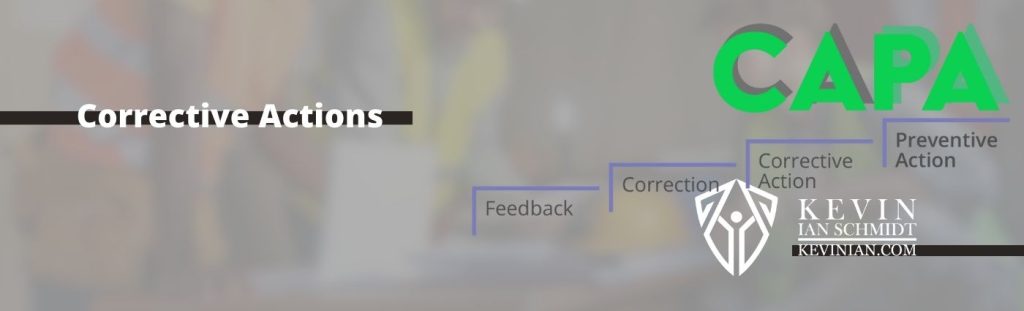
  • Corrective Actions

    Corrective Actions

    It’s important to divide your recommended corrective actions into the categories below:

    1. Immediate or short-term corrective actions to eliminate or reduce the hazardous conditions and/or unsafe behaviors related to the accident.
    2. Long-term system improvements to create or revise existing safety policies, programs, plans, processes, procedures and practices identified as missing or inadequate in the investigation.


    High Priority Strategies that Eliminate the Hazards

    1. Elimination: Totally eliminate the hazard. Why is this control strategy our top priority and considered by OSHA to be most effective? This control strategy has the potential to completely remove the hazard. We’re somehow changing a thing/condition in the workplace. And as we all know…

    No hazard, no exposure = no accident.

    2. Substitution: Substitute the hazard with a less hazardous condition, process or method. Some basic examples are substituting a toxic chemical with a non-toxic chemical or replacing an old poorly-designed machine with a new model.

    3. Engineering controls: See if any of the strategies below are used in your workplace.

    • Design: Example – Design a tool so that it reduces the likelihood of a strain or sprain.
    • Redesign: Example – Change the design of a machine so that dangerous moving parts or electrical circuits are out of reach.
    • Enclosure: Examples – Place a hood over a noisy printer. Place a machine guard around a dangerous moving part.

    These are the first to parts of the Hierarchy of Controls


    Recommend System Improvements

    This episode of “Safe in 60 Seconds” InterAct Safety Solution shares some tips on incident investigation – sustainable corrective actions.

    The surface causes for accidents actually represent the symptoms of underlying safety management system weaknesses. This cause-effect relationship is so important to understand that I’ll say it again: the behaviors and conditions that caused the accident are, themselves, usually the effects of deeper root causes. This is a fact.

    Consequently, your first assumption, as an accident investigator, should be that root causes have contributed to an accident, and your job is to find them. Your first basic assumption should never be that an accident is simply the result of surface causes. Once in a while, you’ll find that an accident was solely the result of a “personal failure,” but that won’t be often: in fact, it will be rare in most organizations.

    Learn more about Root Cause Analysis

    Therefore, make every effort to improve safety management system components to ensure long term workplace safety in your company. As we learned in the last module, the most successful accident investigator is actually a systems analyst. Making safety management system improvements might include some of the following examples:

    • including “safety” in a mission statement;
    • improving safety policy so that it clearly establishes responsibility and accountability;
    • changing a work process so that checklists are used that include safety checks;
    • including hands-on practice as part of the safety training program;
    • revising purchasing policy to include safety considerations as well as cost; and
    • changing the safety inspection process to include all supervisors and employees.

    Check Out: Incident Investigation: Top 10 Mistakes

    Answer the following six questions to help develop and justify recommendations.

    1. What exactly is the problem?

    • What are the specific hazardous conditions and unsafe work practices that caused the problem?
    • What are system components – the inadequate design or implementation of safety management programs, policies, plans, processes, procedures and general practices that allowed the conditions and behaviors to exist?

    2. What is the history of the problem?

    Have similar accidents occurred previously? If so, you should be able to claim that the probability for similar accidents is highly likely to occur.

    • What are previous direct and indirect costs for similar accidents?
    • How have similar accidents affected production and morale?
    • Describe how it has affected direct, budgeted or insured costs related to past injuries or illnesses.
    • How has it affected indirect, unbudgeted or uninsured costs related to loss of efficiency and/or productivity and employee morale?

    3. What are the solutions that would correct the problem?

    • What are the specific engineering, administrative and PPE controls that, when applied, will eliminate or at least reduce exposure to the hazardous conditions?
    • What are the specific system improvements needed to ensure a long term fix?

    4. Who is the decision-maker?

    • Who is the person who can approve, authorize, and act on the corrective measures?
    • What are the possible objections that he/she might have?
    • What are the arguments that will be most effective in overcoming objections?

    5. Why is the decision-maker doing safety?

    It’s important to know what is motivating the decision-maker. Is the decision-maker doing safety to fulfill one or more of the following imperatives?

    • Fulfill the legal obligation? You may need to emphasize possible penalties if corrections are not made. Common in a fear-driven culture.
    • Fulfill the fiscal obligation? You may want to emphasize the costs/benefits. Common in an achievement-driven culture.
    • Fulfill the social obligation? You may want to emphasize improved morale, public relations. Common in a humane corporate culture.

    6. What will be the cost/benefits of corrective actions and system improvements?

    • What are the costs that might result if/when OSHA inspects? Answer this question to address the legal obligation your employer has.
    • What is the estimated investment required to take corrective action, and how does that contrast with the possible costs if corrective actions are not taken? Answer this question to address the fiscal obligation your employer has.
    • What is the “message” sent to the workforce and the community as a result of action or inaction? Answer this question to address the social obligation your employer has.


  • OSHA Employer Responsibilities

    OSHA Employer Responsibilities

    Your employer has many responsibilities or obligations detailed within the OSH Act and other standards. OSHA’s job is to protect employees, not necessarily employers. If there is a serious accident in the workplace, OSHA will investigate to determine if the employer did not adequately meet their obligations under the law. By doing so, OSHA’s ultimate goal is to protect you, the employee.

    With this in mind, your employer must meet the following obligations to employees:

    • Provide a workplace free from recognized hazards and comply with OSHA standards.
    • Provide training required by OSHA standards.
    • Keep records of injuries and illnesses.
      • Set up a reporting system.
      • Provide copies of logs, upon request.
      • Post the annual summary.
      • Report within 8 hours any accident resulting in a fatality.
      • Report any work-related hospitalization, amputation or loss of an eye within 24 hours.
    • Provide medical exams when required by OSHA standards and provide workers access to their exposure and medical records.
    • Not discriminate against workers who exercise their rights under the Act (Section 11(c)).
    • Post OSHA citations and hazard correction notices.
    • Provide and pay for most PPE.

    Employer OSHA General Responsibilities

    Your employer must provide a workplace free from recognized hazards and comply with OSHA standards. Establishing a safe and healthful workplace requires every employer to make safety and health a core value. In general, OSHA requires employers to:

    • Maintain conditions and adopt practices reasonably necessary to protect you on the job. The first and best strategy is to control the hazard at its source. Engineering controls do this, unlike other controls that generally focus on the worker who is exposed to the hazard. The basic concept behind engineering controls is that, to the extent feasible, the work environment and the job itself should be designed to eliminate hazards or reduce exposure to hazards.
    • Be familiar with the standards that apply to their workplaces, and comply with these standards.
    • Ensure that you are provided with, and use, personal protective equipment (PPE), when needed. PPE is needed when exposure to hazards cannot be engineered completely out of normal operations or maintenance work, and when safe work practices and other forms of administrative controls cannot provide sufficient additional protection. PPE may also be appropriate for controlling hazards while engineering and work practice controls are being installed, and
    • Comply with the OSHA’s General Duty Clause where no specific standards apply. The general duty clause, or Section 5(a)(1) of the Act requires each employer to “furnish a place of employment which is free from recognized hazards that are causing or are likely to cause death or serious physical harm to employees.”
    Check Out: How to Conduct a Job Hazard Analysis to identify PPE needs

    Employers Must Provide PPE

    OSHA requires that employers protect you from workplace hazards that can cause injury or illness. When engineering, work practice and administrative controls are not feasible or do not provide sufficient protection, employers must provide personal protective equipment (PPE) to you and ensure its use.

    • With few exceptions, OSHA requires employers to pay for personal protective equipment used to comply with OSHA standards.
    • Employers cannot require workers to provide their own PPE
    • The worker’s use of PPE they already own must be completely voluntary.
    • Even when a worker provides his or her own PPE, the employer must ensure that the equipment is adequate to protect the worker from hazards at the workplace.

    Employers are not required to pay for some PPE in certain circumstances:

    • Non-specialty safety-toe protective footwear (including steel-toe shoes or boots) and non-specialty prescription safety eyewear provided that the employer permits such items to be worn off the job site. (OSHA based this decision on the fact that this type of equipment is very personal, is often used outside the workplace, and that it is taken by workers from jobsite to jobsite and employer to employer.)
    • Everyday clothing, such as long-sleeve shirts, long pants, street shoes, and normal work boots.
    • Ordinary clothing, skin creams, or other items, used solely for protection from weather, such as winter coats, jackets, gloves, parkas, rubber boots, hats, raincoats, ordinary sunglasses, and sunscreen
    • Items such as hair nets and gloves worn by food workers for consumer safety.
    • Lifting belts because their value in protecting the back is questionable.
    • When the employee has lost or intentionally damaged the PPE and it must be replaced.

    Employers Must Provide Training

    We already discussed your right to receive training from your employer on a variety of health and safety hazards and standards, such as chemical right to know, fall protection, confined spaces and personal protective equipment.

    Many OSHA standards specifically require the employer to train workers in the safety and health aspects of their jobs. Other OSHA standards make it the employer’s responsibility to limit certain job assignments to those who are authorized, certified, competent, or qualified – meaning that they have had special previous training, in or out of the workplace as follows:

    • Authorized person – means a person approved or assigned by the employer to perform a specific type of duty or duties or to be at a specific location or locations at the jobsite.
    • Certified Person – is one who has passed stringent written and practical exams related to the work that he will perform. OSHA requires the organization providing the examinations be accredited.
    • Competent person – means one who is capable of identifying existing and predictable hazards in the surroundings or working conditions which are unsanitary, hazardous, or dangerous to employees, and who has authorization to take prompt corrective measures to eliminate them.
    • Qualified person – means one who, by possession of a recognized degree, certificate, or professional standing, or who by extensive knowledge, training, and experience, has successfully demonstrated his ability to solve or resolve problems relating to the subject matter, the work, or the project.

    OSHA construction standards include a general training requirement, which states: “The employer shall instruct each employee in the recognition and avoidance of unsafe conditions and the regulations applicable to his work environment to control or eliminate any hazards or other exposure to illness or injury.” Additional general training requirements for construction include training for workers:

    • required to handle or use poisons, caustics, and other harmful substances;
    • who may be exposed to job sites where harmful plants or animals are present;
    • required to handle or use flammable liquids, gases, or toxic materials; or
    • required to enter into confined or enclosed spaces.
    Check out: How to Put Together a Workplace Safety Training Workshop

    Employers Must Keep Records of Injuries and Illnesses

    Recordkeeping is an important part of an employer’s responsibilities. Keeping records allows OSHA to collect survey material, helps OSHA identify high-hazard industries, and informs you, the worker, about the injuries and illnesses in your workplace. About 1.5 million employers with more than 10 employees must keep records of work-related injuries and illnesses. Workplaces in certain low-hazard industries such as retail, education, finance, insurance, and real estate may be partially exempt from routine recordkeeping requirements.

    For more information on updated exemptions see this OSHA Fact Sheet.

    To meet OSHA reporting requirements, employers must do the following

    • Set up a reporting system.
    • Provide copies of logs, upon request.
    • Post the annual summary.
    • Report within 8 hours any accident resulting in a fatality.
    • Report all work-related hospitalizations, amputations, and loss of an eye within 24 hours.
    Make sure your company representatives are well trained on reporting, training available here

    I offer an OSHA recordability flowchart, which will help you identify which injuries to report.

    Employers Must Post OSHA Citations and Hazard Correction Notices

    An OSHA citation informs the employer and workers of the standards violated, the length of time set for correction, and proposed penalties resulting from an OSHA inspection.

    Your employer must post a copy of each citation at or near places where the violations occurred for 3 days or until the violation is fixed (whichever is longer).

    Employers also have to inform workers of what they have done to fix the violation, allow workers to examine and copy abatement documents sent to OSHA, and tag cited movable equipment to warn workers of the hazard.

  • Tips for Developing A Successful Emergency/Crisis Management Program

    Tips for Developing A Successful Emergency/Crisis Management Program

    Emergency/Crisis Management Planning needs vary with the industry, type of operations, and regulatory applicability; however, the following guidelines can be used for any situation:

    WHAT ARE YOUR WORKPLACE HAZARDS?

    The first step is to Identify vulnerabilities and hazards associated with your operation. No one understands your operation better than you. Ensure that emergency, business continuity, and security issues are considered and use this analysis to prioritize your plan development efforts.

    • You should consider the following topics, at a minimum:
    • What are your vulnerabilities to natural disasters? Depending on the geographic scope of your operation, you may be subject to hurricanes, earthquakes, tornadoes. floods, ice storms, or all of these.
    • How would your company continue to operate in the midst of a pandemic situation?
    • What are the hazards introduced by your operation, and who may be impacted from a fire, release of hazardous material, oil spill, or explosion? Consider various events involving similar types of operations involving other entities, not the fact that it may have never happened in yours.
    • In the event that your primary or corporate office becomes uninhabitable due to a fire, flood, hurricane, earthquake, power failure or other event, could your company to operate?
    • What are your security vulnerabilities?

    WHAT TYPE OF EMERGENCY PLANS SHOULD BE DEVELOPED AND AT WHAT LEVEL?

    The next step is to use the results of the Hazard Analysis performed above, and determine what plan types should be developed, and which should be developed on a facility level or corporate/enterprise-wide level. For instance, site-specific fire pre-plans may be valuable for buildings and storage tanks that contain flammable contents; business continuity plans may be applicable at the corporate level.

    Does your company need more components of an emergency action plan? Check what is available here

    Example programs may include the following:

    FACILITY LEVEL PLANS

    • Emergency Response Plans (industrial operations), Emergency Operations Plans (hospitals, schools and universities), Emergency Action Plans (office building) describing site-specific initial response and activations procedures for potential hazards.
    • Fire Pre-Plans for buildings and process equipment, if applicable.
    • SPCC, OPA 90 Plans, RCRA Contingency Plans, SWPPP and other regulatory plans for facilities that store oil.

    CORPORATE/ENTERPRISE-LEVEL PLANS

    • Crisis Management Plans describing corporate procedures for supporting operational emergencies, and for responding to corporate crises, including security, product liability, financial and other reputation issues.
    • Business Continuity Plans for corporate and regional offices
    • Pandemic Plans (often included as a subset of Business Continuity Plans)

    HOW SHOULD THE PLANS BE ORGANIZED AND WHAT IS THE APPROPRIATE LEVEL OF DETAIL?

    Identify applicable regulatory requirements and ensure that your program addresses them, but remember that the primary purposes of the plans are to enable your company to respond effectively, and in the process, to ensure compliance. A common mistake is to organize plans specifically to meet the order of the regulations, when in fact, this may not result in the most logical or user-friendly format. Keep in mind that some regulations require a specific plan format or order of content, however, in many cases there is flexibility to organize the plan differently, as long as a regulatory cross-reference is provided and clearly identifies where each requirement is addressed.

    Develop plans in a logical format that will be intuitive to responders who may not have had time to review them or training. A good test is to provide the plan to someone outside the organization and find out how long it takes for them to find key response information.

    Ensure that plan content is comprehensive enough to provide tools needed for a response but is not so detailed that it reduces the effectiveness of the plan and results in more plan maintenance than necessary. Consider providing references and/or hyperlinks to detailed technical or regulatory information that may be needed but is too detailed to include in the plan.

    Develop the content in a streamlined format with the goal of reducing the time required to read it. Bullet points and checklists are favorable to paragraphs of information.

    OSHA offers publication 3088 to help organizations plan for emergencies and evacuations.

    Download and view the OSHA Emergency Whitepaper below:


  • 10 Essential Components For a Safer Working Environment

    10 Essential Components For a Safer Working Environment

    A safe working environment is a condition or state, it is not necessarily an event like an incident of an accident. This means that the low number of incidents or accidents doesn’t mean that the workplace is particularly safe. What really counts is the process of safety because it is an integral part of everyday activities in the workplace.

    10 Essential Components for a Safer Working Environment

    • Daily safety briefings. Every morning at the beginning of the work day or the shift, the leader holds an interactive safety briefing with his or her team. It lasts less than 10 minutes and has contributions from the team members.
    Check out the toolbox talks I have for sale on Amazon here
    • Weekly inspections to identify unsafe conditions. Every staff member participates in turn and conducts a regular safety inspection where they look for hazards and unsafe conditions. This can occur weekly or twice a week.
    • Weekly inspections to identify unsafe behavior. Each week two staff members carry out a regular inspection where they are identifying unsafe behavior. The objective is to identify the unsafe behavior and mention it at the next daily safety briefing. Of course, no names are mentioned.
    Check Out: How to Develop an Internal Safety Audit Schedule
    • Accident and incident investigation. Every accident or near accident is investigated with the sole objective of prevention in the future. The process of investigation is not a witch hunt to apportion blame.
    Want to learn more about Incident Investigations? Check out what I have available here.


    • Constant improvement. During the daily safety briefings, the group members have an opportunity to recommend and discuss improvements to the workplace and the processes that are carried out within it
    • Reporting near miss. Every single near miss (this is an incident where no damage or injury occurs) is investigated and prevention measures are put in place, so it will not happen again.
    Check Out: Near Miss Policy
    • Positive reinforcement. Each day the leader goes into the workplace and gives positive reinforcement to those members of staff for working safely. This encouragement and enthusiasm for safety is a great motivator for safe working practices.
    • Blame. It is noticeable that all safe working environments do not use blame or punishment as tools for creating safe behavior. Instead, they use positive reinforcement, encouragement and recognition.
    • Practical on-the-job training. Group members are continually receiving on-the-job training from experts within the company and outside.
    • Effective leadership. It is no coincidence that all safe workplace environments have good leadership. This means that the leader is prepared to listen and has the skills to create followers. These leaders engender cooperation and most of all discretionary effort. They are the main reason why people are working safely. They are not invisible and spend between 30 and 50% of their time with their team members.
  • How to Develop an Internal Safety Audit Schedule

    How to Develop an Internal Safety Audit Schedule

    An internal safety audit program is used by an organization to evaluate the effectiveness of the procedures and processes used to meet OHS legislative and other statutory administrative requirements.

    An internal safety audit schedule is a considered approach by an organization to identify the extent and methods by which to conduct safety related audit verification activity. The internal audit is also global best practice in safety management systems.

    It’s also a vital internal quality check on safety systems and operations. The internal safety audit is a particularly useful management tool for ensuring that the safety management is being conducted efficiently and properly at all levels.

    A senior manager should actively participate in the internal audit to ensure currency of management information and proper critical organization-wide scrutiny of administrative and operational functions.

    Internal audit scope

    The organization will need to identify the types of internal audit activity to be conducted.

    These can include one or more of the following audit activity types:

    • Safety management system (SMS) audit – system level
    • Procedural compliance audit – operational level
    • OHS legislative compliance audit – analyzing compliance capability
    • Incident management
    • Reporting systems
    • Records management and documentation

    A determination of audit types will be based on requirements defined within the safety management system. Factors relevant to the audits may involve the level of maturity of the SMS, policy initiatives and implementation, and similar issues. The knowledge and understanding of key stakeholders within the organization and Further organizational factors (e.g. number of sites, geographical locations, State, national or international application) may also apply.

    Check Out: Slip, Trip, and Fall Audit

    Schedule considerations

    Having identified the types of internal audit activity to be conducted, the organization will need to consider the most suitable audit delivery options and scheduling. Best practice is a standardized, thorough and transparent methodology which provides clearly defined outcomes to compliment an organization’s business goals and objectives.

    These considerations will include one or more of the following points:

    • Mandatory audit requirements (e.g. Defined by statutory authority) – These very useful audit areas may include self-insurers annual requirements for audit activity to be conducted for inclusion in reporting requirements. The internal audit in these cases can also act as “radar” for management, ensuring compliance issues are under proper scrutiny.
    • Size of organization and geographical locations – Consideration should be given to the different types of activities (and risk potential) within an organization, similarity of activities at different locations to evaluate uniformity of application, geographical locations that may impact on audit schedule delivery. This approach additionally allows for targeting of areas related directly to policy implementation.
    • Identified high risk potential subject areas – These areas naturally have high priority in an SMS. Any high-risk areas identified because of statistical analysis or management review require audit verification to assist in implementing strategic management.
    • Changes in legislation or organizational structure – Changes in legislation or organizational structure that may impact on the capacity to implement safety requirements. (Note: Legislative changes usually include a time frame for compliance and may involve significant modifications to the SMS. It’s strongly advised that all compliance issues are included in the audit to ensure management has adequate information regarding these matters.)
    • Resource base from which the organization can allocate qualified and competent auditors to conduct the audit verification activity type – Requirements of the provision of internal or external resources depending on scope of activity to meet audit needs. The resource base must be able to deliver the necessary standard of auditing to ensure SMS efficiency and compliance.
    • Organizational planning and development cycles – Planning of audits to align provision of audit reports with review cycles. This planning is a particularly useful management tool which can ensure proper control and timeliness of operational data. The forward planning also ensures well integrated SMS reporting.
    • Prioritized activities (e.g. Based on risk evaluation or business need) – which will impact on implementation of safety requirements.
    Check Out: Conduct Your Own Mock OSHA Inspection

    Internal Audit schedule detail

    The internal audit schedule should be owned by a person who has authority to manage and review the implementation of the schedule. Senior management should have direct oversight of the process, to allow checks on audit functions and efficiency.

    The internal audit schedule will provide, as a minimum the following information:

    • The type of audit to be conducted
    • The expected timeframe in which the audit is to be conducted
    • The lead auditor responsible for the audit activity
    • Location of the audit
    • Timeframe for final report

    Common Problems Faced During Internal Audits

    One major issue in relation to developing internal audit schedules is that they either do not meet organizational needs and/or merely aim to achieve a level of conformance with statutory body requirements of regulators.

    This is quite inadequate and may expose organizations to serious liabilities. To ensure a fully functional SMS which can deal with all safety issues and meets the standards of both statutes and major legal claims, the organization must ensure that the internal audit is conducted on a holistic, best practice, basis in which all areas of liability, risk management and safety are properly audited. The SMS must achieve full coverage of all potential liabilities.

    Conversely, the needs of internal audits may exceed the capacity of the organization to meet the requirements defined therein. The organization may lack the expertise required to deal with some areas of risk management. Any internal audit carried out on this basis will inevitably be inadequate and can create a risk of serious deficiencies in the SMS.

    Another key problem is to ensure that audit competency (either internal or external) is at a level to achieve a suitable outcome as defined within the internal audit schedule, e.g. There are serious risks in using auditors to conduct compliance audits without the necessary understanding in relation to legislative application of requirements.

    It is essential that any audit of an SMS is conducted by auditors having:

    • The correct level of audit experience
    • Comprehensive experience in statutory compliance, including both self-insurance regulatory requirements and any other relevant statutory issues
    • A strong knowledge base and resources, including relevant industry knowledge where applicable
    • Proper accreditation for the audit operations required

    The safest approach to these issues is to obtain professional guidance. The best SMS consultants can meet all these criteria and can also provide ongoing support and services as required.

  • Developing an Effective Internal Marketing Plan

    Developing an Effective Internal Marketing Plan

    Internal marketing is one of the most complicated forms of marketing there is. Internal marketing is when a business markets its products, services and brand to its own employees. Instead of “selling” to consumers (external marketing), the business sells to its employees, treating them like internal consumers — which they are. The best way to conduct internal marketing in an effective way is to create a comprehensive plan.

    Internal marketing is important because, firstly, it leads to more employee engagement. It’s one thing for an employee to work for your company in exchange for a paycheck, but another for them to truly believe in your company and what it does. When the latter is the case, employees are motivated to work harder and their loyalty to the company increases.

    Developing an internal marketing plan for the launch your new safety policy requires time and effort. It is not something that can be done without planning and proper preparation. Few safety professionals truly understand what they need to do in order to develop an internal marketing plan that will succeed.
    Following are five simple steps that can help safety professionals develop effective plans that will work consistently over time. Taking the time to complete these steps can be the deciding factor between success and failure.

    5 Steps to Internal Marketing

    1) Assemble the right team for the job: Internal marketing doesn’t happen on its own. It often falls solely into the hands of the department launching the new internal policy/program/initiative, but this is a mistake. Often times business professionals know how to inform employees of what’s going on with the company, but don’t have the necessary skills for marketing initiatives. The intent must be to sell, not tell.

    Choose one or more of your marketing employees, to work with your department on the internal marketing project. Make sure whoever’s chosen knows how to sell rather than tell, but most importantly, ensure they know the brand inside and out. It may end up being you, the business leader, or other members of upper management who take on the project. If it’s other employees, you may need to give them a lot of direction and guidance. However you do it, get everyone on the same page before moving forward.

    2) Assess other department’s current internal marketing: In order to properly strategize your internal marketing, it’s wise to first assess where other departments currently stand. You can then formulate your strategy according to what others are doing well, poorly or not at all, which will make your campaign more targeted and informed.

    3) Leaders need to define their goals: Without goals there is no way to determine if marketing efforts are successful or not, internal or external. Determine how you will reach this goal. Set metrics that help measure the success of the strategy. For example, if you intend to decrease injuries by 10 percent by the end of the year, be sure to keep track of where the team is in terms of meeting this goal. Ensure the goals are attainable and reward employees when they are met.

    4) Determine a budget: How much money is available to dedicate to your department’s internal marketing efforts will be a large factor in determining what can and cannot be done. Don’t worry if there are little to no funds available to support your marketing efforts. Developing an idea sheet along with approximate costs for each activity during the research process is a great way to keep track of your potential expenses.

    Check Out: Budgeting for Training

    5) Create materials: Now that you have your internal marketing plan outlined, it’s time to turn it into concrete materials that you can communicate to your team. Mitchell recommends using your team’s everyday experiences at work, like checking email or attending meetings. That way they’re immersed in the brand, making it harder to tune out.
    Some ideas:

    • Internal newsletter: Create a newsletter to circulate only to your team. Use it to educate them on your brand, products, services, values, goals, etc. Make it interesting by including sections like history, trivia, interesting facts, quotes, images or video.
    • In-person meetings: This one may be a little oldschool, but if you regularly conduct meetings and find that they’re successful, call a meeting to discuss the new internal branding effort. Be sure to allow time for questions and discussion.
    • Video: Create an internal infomercial that conveys the campaign’s major points. There’s no better platform for merging audio, imagery and text all in one place.
    • Signs/Posters: Provide a constant visual message reminder with great graphics to be displayed around the workplace.
    • Digital signage: Display internal branding materials like graphics or video on digital screens throughout the office.

    Whatever platform(s) you choose, make sure the content is highly personalized. You want your employees to feel individually valued, which leads to more feelings of engagement.

    Implementing these steps fosters a culture where employees not only work for the company but genuinely believe in its mission. Employee engagement increases, translating to heightened motivation and loyalty. Moreover, these engaged employees become powerful advocates for the brand, conveying the company’s message authentically.

    Check Out: Corporate Volunteering Leads to Engaged Employees

    In conclusion, internal marketing, particularly when strategized effectively, plays a pivotal role in cultivating a workplace where employees are not only aware of the company’s goals, products, and services but are deeply engaged and aligned with its mission. This engagement bridges the gap in effectiveness with customers and prospects, making internal marketing a cornerstone for the success of the company brand.