Author: Kevin Schmidt

  • PPE Hazard Assessment and Certification

    PPE Hazard Assessment and Certification

    Risk of injury is an inherent part of many workplaces, and sometimes the risks are unknown or unidentified. We can’t eliminate risk entirely but we can reduce the risk and control it using standard procedures and good work practices. Or, we can just accept the risk as a normal part of doing a job. The question becomes “How much risk are you and your employees willing to accept?”

    Accepting Risk

    Risk is with us every day and on every task. Risk is determined by frequency (how often we’re exposed to it), probability of something bad happening, and the severity of the outcome. We make decisions about accepting risk every day. Another real question is “Do we understand the risk and are we willing to accept it?”.

    Acceptance of risk begins at the organizational level and is forced down stream to the local level. Controlling risk is typically a management function and fortunately, there are some good tools available to help understand risk and keep it at an acceptable level. One tool commonly used today is the Job Safety Analysis.

    At the lowest management level, risk has to be controlled by the people doing the work and their immediate supervisors. In both the planning and execution of a task, it is essential to make sure that all those who need to be involved are given an adequate opportunity to be involved and are kept informed of developments that might increase the risks and change the measures needed to deal with them.

    Evaluating Work Site Hazards

    Workers really are very good at spotting hazards, but not as good at mentioning them. Most incident investigations (my opinion) have found that workers in the area knew the hazard existed. Some thought the hazard was normal and some say they just thought the risk was “acceptable”. How do we, as managers, get our employees involved and help reduce risk?

    The goal is to establish a common level of risk tolerance among the team members and there are several things that can affect this process. On any job, the judgment and decisions of the supervisory staff and employees are the most critical part of work area risk assessment and communication of local hazards. A good understanding of the nature of the work, the work environment and the health and safety hazards involved is required of the individuals making decisions on the best way to control the hazards.

    The fact that each person’s perception of risk and level of risk tolerance is different is one of the things that complicates communication of risk on a construction site. The JSA is a tool used to improve and document the communication process and ensure mutual understanding of risks and controls by all the people involved.

    Managing The Risk

    A Job Safety Analysis is an important part of the risk management process in heavy industry. As part of the risk management process, the JSA is a management tool used to reduce the level of risk to the lowest possible acceptable level by allowing all members of a team to interact and develop a common understanding of the task, procedures and hazards associated with completing the task. The tool is available, using it for the greatest benefit is another matter.

    The good, bad or indifferent perception of the JSA as planning tool by the person completing it has a significant effect on the quality of information on the document and the level of input by workers involved.

    How much individuals are trusted and internal power relations can significantly influence the willingness of employees to communicate and control risk. Other personal factors that can influence communication include individual experience, risk assessment and individual perception of a particular risk with respect to other people on the team or in the area.

    Other factors that may influence local risk management include the physical environment of the work area, work procedures (safe work practices), tools and resources available to eliminate or reduce the hazard.

    A Basic Guide to Conducting a Risk Assessment

    One of the best ways to carry out a risk assessment is to use the experience and expertise of a competent person or persons with experience and relevant competency in their field. A competent person does not mean just qualified. It is important that the person or persons have worthwhile experience and an understanding in what they are assessing. To sum this up, a competent person should have knowledge, experience and a relevant qualification. It is important that the person refreshes their knowledge to ensure that it up to date and relevant.

    At this point, it must be made clear that it is not the written document that makes a particular task or job safe, but the control measures that are put in place and reviewed on a regular basis. A suitable and sufficient risk assessment should identify the hazards, evaluate risks, determine appropriate measures necessary and ensure that it is appropriate to the nature of the work whilst being valid for a reasonable period of time.

    A hazard is something with the potential to cause harm, whereas risk is the likelihood of harm occurring. The principles of a risk assessment follows a systematic process, which should be considered as a 5 step plan

    Step one is identifying hazards. This would be anything that has the potential to cause harm. This could include any item, object, chemical, environmental or work process that has the potential to cause harm.

    Check Out: How to Conduct a Job Hazard Analysis

    Step two is to identify who may actually be harmed. In a risk assessment, everyone who comes into contact either directly or indirectly with the hazard needs to be included in the finished report. This will include employers, employees, visitors, contractors and anyone else that is affected by the hazard or hazards identified.

    Step three is for the evaluation of the risk by considering all existing precautions that already in place. This would be a list of anything and everything that is done to prevent something from causing harm.

    Step four is the recording of all findings. This step involves a written documentation (If five or more staff are employed) of all the hazards and the attributed risks as well as all the precautions in place.

    Check Out: Job Safety Assessment Form

    Step five is the reviewing and revision of the risk assessment as and when necessary. A review could take place on a periodic basis, whereas when necessary would involve an introduction of a new work process, new machinery or new environment, or even if a new hazard or risk has been discovered.

    A risk assessment should be reviewed and if necessary modified on a regular basis or after any near miss or accident.

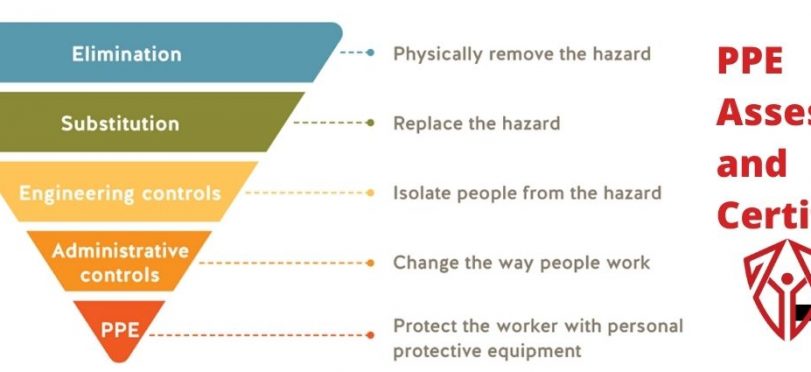
    It is a requirement to follow a systematic approach to deciding which control measures need or should be implemented. The hierarchy of control which is basically a systematic process to decide which control measures should be implemented

    The first step of the hierarchy of control as well as the most important thing is to try and avoid the risk altogether. If the risk can be taken away, there is no reason to continue the hierarchy of control, as there is no risk of injury.

    The second step is substitution. Can the task, equipment, or substance be substituted for something less risky, therefore reducing the harm/

    The third step of the hierarchy is enclosure, isolation and separation. Can the work process be enclosed so the workers are not affected by the process and not exposed to the risk?

    The fourth step would be the introduction of guarding or safety devices. This would protect all relevant people by preventing them access to dangerous areas.

    The fifth stage would be the introduction of a safe system of work, in which procedures must be followed and the staff are made fully aware of what these procedures actually are.

    Supervision is the sixth stage of the hierarchy of control. This ensures that effective supervision is in place to monitor that procedures are in place and staff do not take unnecessary risks or short cuts

    The seventh stage is training. Training should include all management, supervisors and employees that are involved with the task. The training needs to be relevant to the task in order to make it an effective control

    The eighth stage would include information. This information is regarding the hazards and risks in the workplace that have been identified and safe systems that should be followed

    The last stage should be the introduction of Personal Protective Equipment (PPE). This is only to be used as a last resort. This is because PPE only protects the wearer from the risk.

    It is important to remember that a risk assessment is a systematic process of identifying hazards and risks in the workplace and documenting them. A risk assessment is only a stage in the removal of a hazard and the risk of someone becoming injured or ill at work. A risk assessment is not the last step in regard to health and safety at work, it is a tool to help protect employees, visitors and anyone else affected by the potential hazard as well as the risk.

    View the PPE Hazard Assessment Form, then download it below:


  • Job Hazard Analysis Form

    Job Hazard Analysis Form

    A Job Safety Analysis form, or sometimes called a Job Hazard Analysis, is a full review of workplace hazards with plans on how to reduce or remove those hazards.

    There are 3 steps to conducting a Job Safety Analysis, or JSA, which are as follows:

    • List out the tasks that your team performs on a regular basis.
      This should be more than just reading about the task or watching others perform it. Work with your employees, which means actually perform the task, to draft an exhaustive list of the different tasks that they perform throughout the day.
    • Brainstorm all the common and potential hazards associated with each task.
      Working with your employees again, take each task that had been defined in step 1 and list out all the potential hazards that could be associated with it. This requires again doing the task, and watching employees do the task.
    • Develop a list of recommendations that reduce the risk of each hazard listed in step 2.
      Recommendations can include engineering, administrative and personal protection controls. It’s important to include your team in this process so that they see the value of a JSA, buy into regularly using it, and develop increased recognition of hazards.

    Being involved and knowledgeable of the tasks, is important, as sometimes, hazards can be mitigated to the detriment of work, which means employees will not regularly follow the safeguards, which means your employees are no more safe.


    Reduction of risk is imperative  to a safe workplace.


    To make best use of this form, ensure that you are fully trained on how to conduct a job hazard analysis first, as conducting one without proper knowledge of the process will be ineffective in the long run.

    If you need to implement PPE as part of your workplace hazard mitigation plan from your JHA, then check out our informative post of PPE Selection.

    View the Job Safety Analysis Form below, then download it below that:


  • How to Conduct a Job Hazard Analysis

    How to Conduct a Job Hazard Analysis

    A job hazard analysis is an important tool for identifying hazards in the workplace.

    This is not a one and done process, a quality Job-Hazard-Analysis, or JHA, is conducted annually, in addition to whenever job processes or equipment change.

    Besides identifying workplace hazards and forming the foundation of mitigating those hazards, a JHA serves as a base point during workplace incident/accident investigations.

    Basics of a job hazard analysis

    The initial purpose of a JHA is to identify all workplace hazards, this includes looking at work processes, machines around the workplace, and even overhead.

    Once you’ve identified workplace hazards, it is time to mitigate them, this is done in 1 of 3 ways:

    • Engineering Controls: This means reworking the workplace layout, build, or adding physical barriers so no matter what, the hazard is completely removed from the work area. This can also be adding machines to do jobs in place of people, like adding an automated box cutting machine so employees can’t cut themselves.
    • Administrative and Workplace Controls: This controls the way people work, through policies, procedures, and workplace safety rules. This is done through requiring safety knives, and teaching employees to cut away from themselves.
    • Personal Protective Equipment: This should be your last choice, because the hazard is still in the workplace, you’re just protecting employees from it. This could be ANSI cut rated gloves for employees that must handle sharp objects.
    Check Out: PPE Selection and Usage Guide

    A workplace hazard sometimes isn’t simply addressed with 1 control, but may require a 3 tiered approach.

    Example: Implementing an automatic box cutting machine, with a lock-out tag-out policy for maintenance on the machine, and requiring employees to wear PPE when the machine isn’t functioning properly.

    How to use a job hazard analysis in an investigation

    • When using the JHA for incident/accident investigations, the first thing to check for is, “was the hazard identified”, if it wasn’t, the failure is an insufficiently conducted job hazard analysis.
    • If the hazard was identified, ensure that the safeguards provided were adequate and followed.

    The Job Hazard Analysis will help guide your investigation, and help provide solutions to your root cause.


    This training, “How to Conduct a Job Hazard Analysis”, will teach you, and your designated employees how to properly conduct a JHA, and mitigate all the identified risks.

    I also provide a Job Safety Analysis Form


  • PPE Selection and Usage Guide

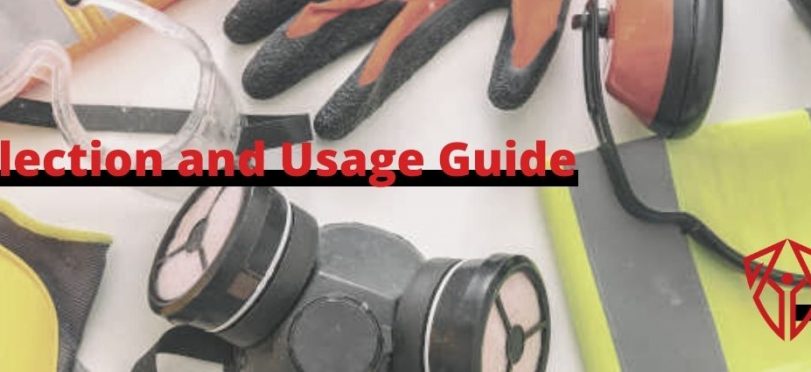
    PPE Selection and Usage Guide

    PPE is an important component of workplace safety, as no matter how safe you make the workplace with engineering and administrative controls, there will always remain some hazards. Knowing how to pick the right equipment is important, and choosing the wrong equipment can create an unidentified hazard.

    After completing your Job Hazard Analysis, and after all engineering and administrative controls are in place, then start consulting these guides to find the optimal PPE for your identified hazards.

    No one PPE selection guide is completely comprehensive, so we are offering multiple guides here, plus links to more resources.


    What is required when your company implements PPE:

    • Only use PPE as a last resort;
    • If PPE is still needed after implementing other controls (and there will be circumstances when it is, eg head protection on most construction sites), you must provide this for your employees free of charge;
    • You must choose the equipment carefully (see selection details below) and ensure employees are trained to use it properly, and know how to detect and report any faults.

    Selection of PPE:

    • Who is exposed and to what?
    • How long are they exposed for?
    • How much are they exposed to?
    Check Out: PPE Hazard Assessment and Certification

    When selecting and using PPE:

    • Choose products which are ANSI marked
    • Choose equipment that suits the user – consider the size, fit and weight of the PPE. If the users help choose it, they will be more likely to use it
    • If more than one item of PPE is worn at the same time, make sure they can be used together, eg wearing safety glasses may disturb the seal of a respirator, causing air leaks
    • Instruct and train people how to use it, eg train people to remove gloves without contaminating their skin. Tell them why it is needed, when to use it and what its limitations are


    Other advice on PPE

    • Never allow exemptions from wearing PPE for those jobs that ‘only take a few minutes’
    • Check with your supplier on what PPE is appropriate – explain the job to them

    Download OSHA’s 3151 PPE guide; it is an exhaustive guide for PPE selection:


    Download this PPE Selection and Usage Guide if you have a need for medical PPE:


    Download the PPE Selection and Use Guide from Duke University, which includes links to Duke University policies for specific safety concerns:


    Download this PPE selection guide from UC Davis, it covers PPE with pictures and hazard mitigation suggestions:


    Download this PPE Selection Guide from the US Department of Homeland Security for Emergency First Responders:


    Links

    Michigan State University EHS Department PPE Guidelines

    MTSU’s PPE Selection Guide

    Tuft’s University PPE Selection Guide

    CDC Guidance for the Selection and Usage of PPE in Healthcare setting

    UCLA’s PPE Selection Guide for Hazard Assessments

    University South Florida Hazard Control and PPE Selection Guide

    CIRSA PPE Guide

    RAND Corporation PPE Guide for Emergency Responders

    University of Washington Guidelines for PPE

    Stony Brook University PPE Guide for laboratory researchers

    Montana Tech PPE General Guidelines for Selection and Use

    OSHAcademy Course 709 PPE Study Guide for selection and use

    Central Michigan University PPE Selection Guide

    CDC/NIOSH PPE Guide for hazardous materials Incidents


  • Every Organization Needs a Safety Plan

    Every Organization Needs a Safety Plan

    While avoiding workplace incidents is always desirable, in today’s world, “lucky” might not be enough. The reality is, in the United States, lawsuits can arise from seemingly unexpected situations. Someone injured at an event hosted by your company, a slip-and-fall in a building you manage – even unintentional accidents can lead to legal action. This is where a written safety plan comes in. It’s not just a document gathering dust on a shelf; it’s your shield against potential liabilities.

    Think of it as proactive risk management:

    • Demonstrates Foresight: Having a plan in place shows you’ve proactively identified potential hazards. It proves you’re not simply hoping for the best, but actively taking steps to prevent the worst.
    • Boosts Confidence: Insurance companies and courts take favorably to organizations with documented safety procedures. It suggests a culture of awareness and responsibility, potentially influencing insurance rates and legal outcomes.
    • Educates and Protects: A clearly defined safety plan ensures everyone involved in your event, activity, or workplace understands potential risks and proper safety protocols. This not only protects your organization, but also your participants or employees.
    • Provides a Roadmap: In the unfortunate event of an incident, a written plan serves as a crucial reference point. It can help guide response efforts, demonstrate due diligence, and potentially mitigate legal complications.

    Remember, safety is not about luck; it’s about preparation. Investing in a comprehensive safety plan isn’t just a precautionary measure; it’s a wise investment in your organization’s well-being, both financially and ethically. So, ditch the reliance on luck and empower yourself with the proactive protection of a written safety plan. It’s not just good practice, it’s your best defense in a litigious world.

    If you do not have a plan, or if you have one that is poorly written or if nobody in your organization knows a plan exists, you are at greater risk of lawsuit or victims being awarded larger settlements in court. In many situations, such as on building sites, safety plans are mandated by the authorities. In any case, having a written safety plan is always a good idea and knowing the laws that pertain to your work location are a must.

    Purpose of a Safety Manual

    The objectives of a safety plan revolve around two primary aspects: elucidating the roles and responsibilities of both management and employees, encompassing compliance with all pertinent legal regulations; and delineating safety protocols applicable to the specific site, activity, and audience.

    In constructing a safety plan, the initial step involves a comprehensive examination of federal and local statutes to ascertain the legal obligations that must be adhered to.

    Subsequently, attention should be directed towards the location where activities or business transactions occur. It is imperative to possess knowledge of the whereabouts of an accurate blueprint or map, should it be required by either yourself or authorities. Consider all routine activities transpiring on the site, along with the potential presence of people, vehicles, and machinery, envisioning conceivable accidents. Unless affiliated with Homeland Security or a specialized security firm, planning for unlikely events such as terrorist attacks or aircraft incidents may not be necessary. Rather, the focus should be on addressing the most common emergency situations relevant to the site. If leasing a space for business or events, collaboration with the building owner or management is advisable to review their existing safety plan.

    Within any structure, the potential for fire must always be taken into account. Therefore, each safety plan should outline evacuation procedures, encompass a comprehensive map illustrating all exits, and provide guidance on actions to be taken in the event of a fire. Clarifications should be provided regarding the activation of alarms, deployment of overhead sprinklers, and the protocol for notifying the fire department—whether it’s an automatic process through the alarm system or if someone needs to be specifically assigned to make the call. Additionally, considerations such as closing fire doors and a schematic indicating the locations of fire extinguishers, accompanied by instructions on their proper use, should be incorporated into the plan. If different types of fire extinguishers are maintained for various fire categories, the safety plan should elucidate this distinction. Organizations housing chemicals or pressurized containers susceptible to combustion or emitting harmful gases during a fire should also be explicitly identified in the plan.

    Another scenario crucial to address in a building safety plan is power outage. In the event of a sudden loss of power, clear guidance is essential. Questions to be answered include whether emergency lights or backup generators will automatically activate or if someone needs to manually initiate them. Confirming the functionality of phones, smoke alarms, and security systems during a power outage is vital. The safety plan should articulate specific actions to take when faced with an abrupt blackout. Additionally, instructions regarding procedures upon power restoration should be included. Considerations such as the startup process for machinery and computers, or the need for a reset, must be addressed. For organizations with mission-critical equipment, especially in fields like healthcare with essential medical devices, outlining measures to ensure their uninterrupted operation during a power outage becomes imperative.

    Are you situated in an earthquake zone? If yes, you need to account for that possibility, instructing people to move outside or get under desks and tables if they can’t safely get to doorways. Often earthquakes will cause electrical failures or water and gas leaks, so you need to include instructions on what to do about all those problems, too.

    Check Out: Emergency Response Plan Best Practices

    Your type of business or activity will determine other potential dangers that you need to address in a safety plan. Do your personnel work with hazardous chemicals? You need to identify each chemical, state the possible hazards and spell out the appropriate precautions for working with it. (The use of hazardous chemicals generally requires retaining SDS sheets that contain all this information.) To learn more about this requirement, check out my post about Hazardous Communication.

    Do your employees or volunteers operate potentially dangerous equipment? Your plan should discuss how to turn each piece of equipment on and off and describe any procedures and warnings needed to work safely with it. These two issues are especially important on any construction site, even if it’s only a small remodel job. Other important issues to address in a safety plan are hazards associated with earthmoving, such as ditch cave-ins or accidentally cutting electrical, gas, or water lines. The way that materials are stored can be hazardous, too – each year workers suffer crush injuries or die after being buried under hundreds of pounds of plasterboard or lumber that slid from a stack.

    Is vehicle traffic a safety consideration? For those working on construction sites, it certainly can be. How about pedestrians? You need to consider everything you need to do to keep not only your employees safe, but also any passers-by who may wander through a hazardous area.

    Construction sites may encounter challenges related to noise hazards and various types of dust. It is crucial to address these concerns in the safety plan to safeguard the well-being of workers. The plan should outline measures to mitigate noise exposure, such as providing ear protection and implementing engineering controls to minimize noisy activities. Additionally, strategies for controlling and minimizing dust, including the use of proper ventilation systems, dust suppression methods, and personal protective equipment, should be detailed in the safety plan. Regular monitoring and assessment of noise levels and dust concentrations can further contribute to maintaining a safe and healthy work environment on construction sites.

    In work environments characterized by extreme climates, comprehensive instructions should be included in the safety plan to address the prevention and management of conditions such as hypothermia or heat exhaustion. For cold climates, guidelines may encompass wearing appropriate insulated clothing, taking regular breaks in heated areas, and recognizing early symptoms of hypothermia. In contrast, for hot climates, emphasis may be placed on maintaining hydration, utilizing shaded areas during breaks, and recognizing signs of heat-related stress. The safety plan should also provide details on any specialized equipment or resources available to mitigate the impact of extreme temperatures and ensure the well-being of employees in such challenging conditions. Regular training and awareness programs can further enhance employees’ preparedness and response to these climate-related challenges.

    Security is another area nobody likes to think about, but all managers and organizers should. What should happen if an armed intruder comes into your area? Of course, someone should call the police, but are there also doors that need to be locked or checked? Are there places employees should hide? What do you want an employee to do if she discovers an unlocked door or suspects suspicious activity after normal business hours?

    Everyone who is routinely present on your site also needs to know what to do in the case of medical emergency. If you have defibrillators available, make sure everyone knows where they are and how to use them. Do you have first aid kits on hand? Be sure your plan specifies their locations, too.

    All staff should know the numbers to call in the case of emergency, as well as what to say. Keep in mind that people often cannot think clearly during an emergency. Make sure the emergency number (even if it’s always 9-1-1) and address of your building or site is posted where it can easily be seen (having a quick reference card in every room can help). If there are supervisors or insurance personnel who must be notified, be sure to list their contact information, too.

    Creating a safety plan might sound daunting, but you will find all sorts of safety information available on the internet and more in the hands of authorities; you can plug all the appropriate information into your own plan and customize it to fit your situation.

    You do not need to figure out how to assemble a safety plan from scratch, either. I have made it available for you to view and download the policy below; all you need to do is fill in the pertinent information for your actual plan.

    After meticulously developing your safety manual, it’s crucial not to relegate it to the confines of a cabinet. Actively engage your employees, members, or volunteers by facilitating periodic training sessions. These sessions serve as invaluable opportunities for everyone involved to gain a comprehensive understanding of the safety plan, fostering a culture of collective responsibility.

    During these training sessions, participants can delve into the specifics of the safety regulations outlined in the plan. This interactive approach not only imparts knowledge but also allows for the clarification of any queries or concerns. By promoting engagement and comprehension, you empower your team to work cohesively and safely.

    Consider incorporating various training methods, such as presentations, hands-on simulations, or Q&A sessions, to cater to diverse learning styles. Reinforce the importance of each individual’s role in upholding safety standards, emphasizing that safety is not just a set of rules but a shared commitment to creating a secure working environment.

    Furthermore, encourage open communication channels where employees can provide feedback or suggest improvements to the safety plan. This collaborative approach fosters a sense of ownership and ensures that the safety measures stay relevant and effective.

    In essence, turning your safety plan into an active and ongoing training initiative establishes a robust foundation for a safety-conscious workplace, where everyone plays a vital part in maintaining a secure and healthy environment.

    Check out the safety committee books and meeting notes I have available on Amazon


    Download the Expanded Employee Safety Manual below:

    View the Expanded Employee Safety Manual below:

  • Lockout/Tagout Training

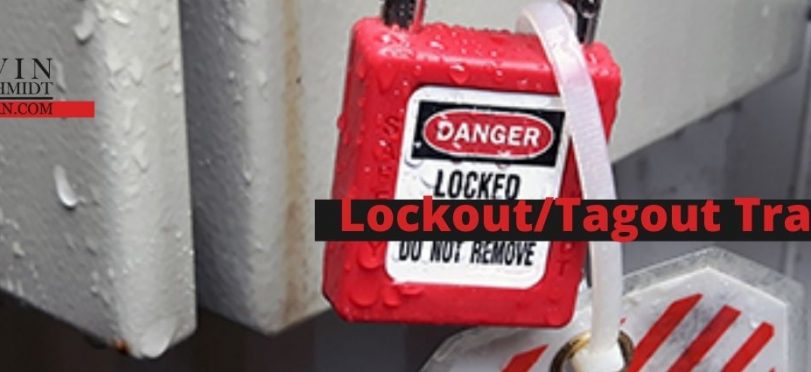
    Lockout/Tagout Training

    In the comprehensive landscape of a Hazardous Energy Control Program, the significance of lockout/tagout training emerges as a pivotal and non-negotiable component.

    A key facet of this training is its mandatory nature for individuals engaged in Lockout/Tagout (LOTO) procedures. This training serves as a crucial investment in ensuring that those involved possess a nuanced understanding of the process while upholding the paramount principle of safety. It goes beyond the procedural aspects, providing an in-depth exploration of all facets related to executing a Lockout/Tagout. This includes a thorough explanation of the diverse energy sources that employees may encounter during the lockout process, fostering a holistic comprehension of potential hazards.

    Beyond the training for those directly involved in LOTO, there exists an additional training imperative aimed at employees who will be impacted by Lockout/Tagout measures. These are the “affected employees,” individuals working in areas that are directly influenced by a lockout. The focus of their training extends beyond procedural knowledge; it encompasses a profound understanding of the necessary actions in the event of a shutdown and how to appropriately handle the equipment in their work environment.

    This secondary training layer is designed not only for the direct safety of the affected employees but also bears a critical role in ensuring the well-being of those servicing the equipment. Premature release of a lock can have severe consequences, leading to injuries or even fatalities. Thus, instilling a robust understanding of shutdown procedures and equipment handling among affected employees becomes an integral part of a broader safety strategy.

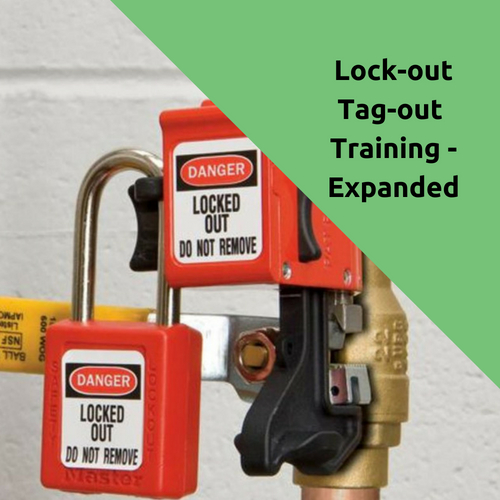
    Need a more robust loto program? Check out Lockout-out/Tag-out training expanded

    In essence, the training initiatives within the Hazardous Energy Control Program are strategically structured to form a comprehensive safety net. They empower those directly involved in LOTO procedures with the knowledge needed for meticulous execution while extending this understanding to the broader workforce, particularly those working in areas influenced by lockout measures. This dual-layered approach not only meets regulatory requirements but fundamentally prioritizes the safety and well-being of all employees involved in or impacted by Hazardous Energy Control measures.

    An important component for a lockout/tagout program is a quality abandoned lock removal process

    Explore the critical process of safely removing lockout devices in a Lockout/Tagout (LOTO) program. Follow a documented procedure to prevent risks associated with abandoned locks, ensuring employee safety. Learn the Abandoned Lockout Lock Removal Process, approvals needed, and the importance of informing employees. Emphasize safety adherence, OSHA standards, and thorough documentation for a comprehensive lockout/tagout program.


    View the Basic Lock-out/Tag-out Training below:

    Download the Basic Lock-out/Tag-out Training below:


    View the Affected Employee Training below:


    Download the Affected Employee Training below:


    View the Affected Employee Training Video below:


  • Lock-out Tag-out Training Expanded

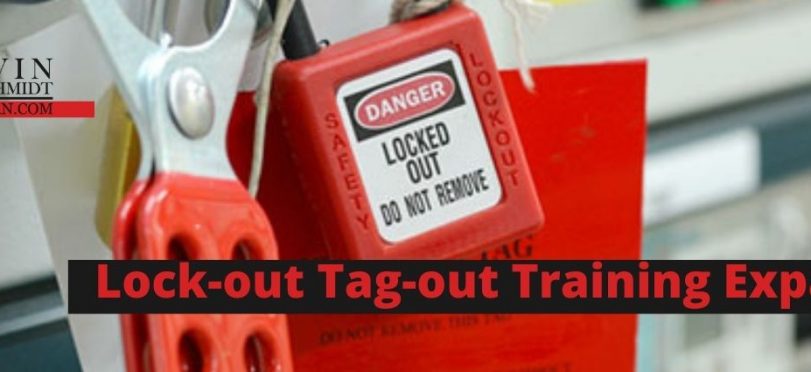
    Lock-out Tag-out Training Expanded

    Keeping everyone safe at work starts with effective lockout/tagout (LOTO) procedures. But simply knowing the steps isn’t enough – employees need hands-on practice and certification to prove they can apply their knowledge in real-world situations.

    Here’s how the process works:

    • Training kicks off: A qualified trainer, either one-on-one or in a classroom, breaks down the LOTO essentials. From identifying energy sources to applying locks and tags, every step is covered.
    • Putting theory into practice: Time to get physical! Under controlled conditions, employees simulate a real LOTO procedure, proving they can apply their knowledge safely and effectively. Pass this test, and you’re officially certified!
    • No one hazard left behind: The best training covers all energy types your workplace throws at you. If you’ve got both electrical and pneumatic dangers lurking around, the certification process should reflect that, using equipment that showcases both risks.
    • Certification with a twist: When it comes to reviewing certifications, there’s a cool twist. Not only does the original trainer observe, but certified employees can also join the party. This creates a self-sustaining “pay it forward” approach to LOTO safety, where everyone takes an active role in keeping their colleagues safe.

    By combining thorough training, hands-on practice, and a dynamic certification process, you can build a workplace where LOTO isn’t just a procedure, it’s a safety culture everyone champions. And that’s something worth celebrating!

    Remember: Safety first, always! Share your LOTO training tips and experiences in the comments below. Let’s keep the conversation going and make sure everyone goes home safe at the end of the day.

    Check Out: How to Put Together a Workplace Safety Training Workshop

    The certification should be performed annually, to ensure employees retain the necessary knowledge to perform their job safely.

    If an employee violates the Hazardous Energy Control Policy, before they can perform lockout/tagout again they must be recertified.

    Retain every certification form for active employees and forms for all terminated employees for 3 years after employment ends. This level of record retention will aid if there is ever an investigation after an injury related to uncontrolled hazardous energy.

    Do you need more components of a lockout/tagout program?

    View the expanded Lockout/Tagout Training below:

    Download the expanded Lockout/Tagout Training below:


    View the Lockout/Tagout Inspection Form below:

    Download the Lockout/Tagout Inspection Form below:

  • LOTO Lock Removal Documentation

    LOTO Lock Removal Documentation

    As part of a Lockout/Tagout (LOTO) program, there needs to be a process to safely remove lockout devices from equipment without the employee present.

    It is not safe to simply remove a lock from equipment that is locked out without following a documented procedure.

    In the event of an abandoned lock every avenue must be made to contact the employee and ensure they are not in the workplace. Removing a lockout device prematurely can result in an employee being injured or killed!

    Following a documented procedure for this will ensure that no step in the process is missed, which can happen when pressure to re-energize equipment is coming from operations.

    No amount of time pressure is worth an employee’s safety!

    Abandoned Lockout Lock Removal Process

    • In the event that a LOTO Authorized Person is absent, or otherwise unavailable to remove his or her personal LOTO lock(s), the Responsible Individual (RI) may remove the LOTO lock(s) for the Authorized Person, subject to the restrictions in this section.
    • If a Responsible Individual has not been assigned, then either the absent Authorized Person’s supervisor or the Safety Manager (or his/her designee) may perform the task.
    • The following steps must be taken to remove an absent Authorized Person’s personal LOTO lock(s):
      • Obtain a printed copy of the Absent Authorized Person LOTO Lock Removal Form (see bottom of page).
      • Verify that the absent Authorized Person who applied his or her personal lock(s) is not present at the site.
      • Make all reasonable efforts to inform the absent Authorized Person that his/her lockout or tagout device needs to be removed.
      • Make all reasonable efforts to inform the absent Authorized Person’s supervisor that his/her employee’s lockout or tagout device needs to be removed.
      • Permission to remove an absent Authorized Person’s lock must be obtained from each of the following parties:
        • The absent Authorized Person or the absent Authorized Person’s line management and
        • The RI in charge of the specific LOTO, if assigned; or the Safety Manager
    • After obtaining all required approvals, the RI (or Safety Manager designee if necessary) must remove the lock(s). If present, the Absent Person’s supervisor must physically witness the lock removal and must retain possession of the lock(s).

    This policy also needs to include a clause on ensuring the employee is made aware their lock was removed before resuming work. This can be as simple stopping them as they come in the door and inform them this occurred.

    It is also important to recertify the employee for performing lockout/tagout before they are allowed to perform it again, as they violated procedure. This level of adherence to the process is important to safety and the OSHA standard.

    Do you need more components of a lockout/tagout program?

    If you ever have to remove a lockout device, ensure it is fully documented on this form, and retain this form in the employee’s training folder, along with the accompanying recertification form.

    • In the event the key to a lock is lost or misplaced, the lock may be cut by the LOTO Authorized Person after obtaining verbal permission from the Person In Charge of the LOTO.

    View the LOTO Lock Removal Documentation below:

    Download the LOTO Lock Removal Documentation below:

  • Control of Hazardous Energy Program

    Control of Hazardous Energy Program

    A control of hazardous energy program is very important for workplace safety, and is often overlooked in many workplaces. Many workplaces think they are exempt from the OSHA standards of controlling hazardous energy.

    Control of Hazardous Energy, often just called Lockout/Tagout (LOTO), is the #5 most common cited OSHA violation.

    While often misunderstood, or misapplied, OSHA 1910.147 spells out the applicability of the standard, along with the steps to perform LOTO.

    The foundation of a Hazardous Energy Control Program is a policy that explains all aspects of the program, sets expectations of when LOTO is performed, and by whom.

    Besides a policy there are other important components of a LOTO program, which includes:
    • Training – for those performing Lockout/Tagout
    • Training – for “affected employees”; defined as employees in a work area where LOTO is performed, who may be impacted by the action
    • Annual retraining – Lockout/Tagout is not a set and forget program, it needs to include annual recertification for employees
    • Machine specific procedures – these are documented procedures to perform Lockout/Tagout for each piece of equipment, and needs to be reviewed at minimum annually.

    Do you need more components of a lockout/tagout program?

    Besides the above components, the policy, training,machine specific procedures, and recertifications need to be performed every time a new piece of equipment is added to the workplace.

    To learn more about OSHA 1910.147 Control of Hazardous Energy Standards, OSHA has a published booklet, which helps explain the concepts of the standard, but should not be used to as a substitue for the standard in it’s applicability to workplace safety. View the booklet here.

    If you need to sell the concept of Lockout/Tagout to your superiors, as it does require a substantial investment in time, new safety equipment, and enforcement, CDC/NIOSH has a fact sheet that can be used to explain the standard and it’s importance for workplace safety. View the fact sheet here.

    Failure to have a Lockout/Tagout policy, or even a suitable program, can lead to employee injury or death, and is a direct violation of the OSHA General Duty Clause:

    a) Each employer —

    (1) shall furnish to each of his employees employment and a place of employment which are free from recognized hazards that are causing or are likely to cause death or serious physical harm to his employees;

    (2) shall comply with occupational safety and health standards promulgated under this Act.

    (b) Each employee shall comply with occupational safety and health standards and all rules, regulations, and orders issued pursuant to this Act which are applicable to his own actions and conduct.

    I offer 2 policies for Control of Hazardous Energy:

    1. Is a basic program, which spells out the base minimum of an OSHA compliant program, good for a workplace with minimal need for LOTO, such as one where contractors perform all the work.
    2. Is an advanced policy, in which every component of a quality program is spelled out, including Tagout only, lock removal, and discipline for policy violation.

    View the basic Control of Hazardous Energy Program below:

    Download the basic Control of Hazardous Energy Program below:


    View the advanced Control of Hazardous Energy Program below:

    Download the advanced Control of Hazardous Energy Program below:

  • Control of Hazardous Energy Procedures and Policy

    Control of Hazardous Energy Procedures and Policy

    There is no national data available on the number of workers killed each year by contact with uncontrolled hazardous energy. However, during the period between 1982 through 1997, the National Institute for Occupational Health (NIOSH) investigated 1281 fatal accidents as a part of its Fatality Assessment and Control Evaluation Program, (FACE). The FACE program was only active in 20 states during that period so the statistics represent just a portion of American workers. The findings, for this portion of workers, showed that 152 fatalities involved the installation, maintenance, service or repair tasks on or near machines, equipment, processes, or systems.

    OSHA estimates that 29 CFR 1910.147 protects approximately 39 million workers and adhering to its requirements can eliminate nearly 2% of all workplace deaths in areas affected by this rule.

    Basic steps of the control of hazardous energy procedure:

    – Preparation for shutdown
    – Notifying all employees
    – Equipment shutdown
    – Isolation from hazardous energy
    – Render all stored or residual energy safe.
    – Locking & Tagging the machines
    – Performing maintenance or service activity
    – Verification (observation, visual inspection & equipment testing)
    – Removing Locks & Tags
    – Notifying all employees to resume work

    Testing or Repositioning of the Machines During Special Circumstances

    OSHA allows the temporary removal of locks or tags only under special circumstances such as when:

    • The machines need to be tested or repositioned.

    If power is needed to test the machines or reposition the machines, equipment or components, re-energization must follow a specific procedure.

    • When outside contractors are working on-site.

    Both the onsite and off-site employers must communicate about their respective lockout and tagout procedures. Each must be certain that its personnel understand and comply with all restrictions and/or prohibitions of the other employer’s energy control program.

    • When servicing or maintenance is carried out by a group rather than one person.

    The crew or group must follow a procedure that affords all employees a level of protection that is equal to that provided by the lockout/tagout device.

    • When there are shift or personnel changes during servicing or maintenance.

    Either the energy isolating devices must remain under continuous control or the on-coming shift must verify the de-energization and lockout/tagout devices are in place on machinery and equipment.

    Removal of Tags or Lockout Devices for Testing or Positioning of the Machines

    When lockout devices or tags are removed and energy is restored to the machines or equipment for testing or repositioning, authorized employees must take these actions:

    • Check the work area to ensure that all non-essential items are removed and the machines are intact and capable of operation.
    • Check the area around the machinery to be certain all employees have been removed or are in safe positions.
    • Locks and tags are to be removed only by the employees who attached them when possible.
    • Notify all employees before restarting machinery.
    • Energize and reposition machinery.
    • De-energize all systems; isolate the machinery from the energy source.
    • Reapply lockout or tagout devices as specified.

    Removal of Locks and Tags

    1. Inspect the work area to ensure that non-essential items have been removed and that machine or equipment components are intact and operate properly.
    2. Check the area around the machine or equipment to ensure that all employees have been safely positioned or removed from the area.
    3. Make sure that locks or tags are removed only by employees who attached them. When this is not possible, the device may be removed under the direction of the employer, provided he adheres to the specific procedures in the standard.
    4. Notify affected employees after removing locks or tags and before starting equipment or machines.

    These policies must be closely followed – with no deviation. Inconsistency creates confusion and can lead to injury and even death.

    Check out this process for removing abandoned lockout locks

    What is Lock Out – Tag out (LOTO)

    LOTO is a safety procedure followed to declare the industrial machines safe. The machines shall be incapable of starting again without the prior knowledge of all the people involved.

    Lock Out – It means locking the concerned device and keeping it away from any power-inducing source. The machine should not be capable of restarting again without warning.

    This involves locking devices like:

    • Circuit breakers
    • Cable lockouts
    • Valves & springs
    • Disconnect switches
    • Key combinations
    • Pneumatic lockouts

    Tag Out – This refers to a process of labeling the device as powerless. The attached pointer includes: why the tag is there, time of application of the tag, & name of the authorized person.

    All LOTO devices must have some standard functions and should meet the following requirements.

    • Identifying the authorized person
    • High durability level
    • A “Do not open, start” warning
    • Uniform in color, size, print, shape and format
    • Devices should resist early removal, except using specific tools like bolt cutters, wire cutters etc.
    • Non-releasable tags

    Do you need more components of a lockout/tagout program?

    There are three important definitions that are to be kept in mind while following these steps:

    System – This refers to the machinery, process and equipment.

    Authorized Employee – This refers to the person who’s qualified to carry out the lockout process.

    Affected Employee – These employees work in the machines. They are not qualified to carry out the procedure like workers, housekeeping staff, ground staff etc.

    Make sure you have the proper training for your employees:
    Basic Lockout/tagout Training
    Expanded Lockout Tagout Training

    There are several responsible people for the job to take place smoothly.

    The managers are responsible for drafting & updating. Monitoring the job is their primary aim.

    The supervisors are responsible for ensuring that everyone follows protocols.

    The employees are responsible for assisting and reporting issues if/when they occur.

    View the Controlling Hazardous Energy Program below

    Download the Controlling Hazardous Energy Program below


Deprecated: Hook setted_transient is deprecated since version 6.8.0! Use set_transient instead. in /home/kevinian/public_html/wp-includes/functions.php on line 6170