Deprecated: Optional parameter $full declared before required parameter $zip_path is implicitly treated as a required parameter in /home/kevinian/public_html/wp-content/plugins/unyson/framework/extensions/backups/includes/module/tasks/class--fw-ext-backups-module-tasks.php on line 985

Deprecated: Optional parameter $option_id declared before required parameter $value is implicitly treated as a required parameter in /home/kevinian/public_html/wp-content/plugins/unyson/framework/extensions/megamenu/helpers.php on line 193
powered equipment Archives - Page 2 of 2 - Kevin Ian Schmidt

Category: powered equipment

  • Basics of Warehouse Safety

    Basics of Warehouse Safety

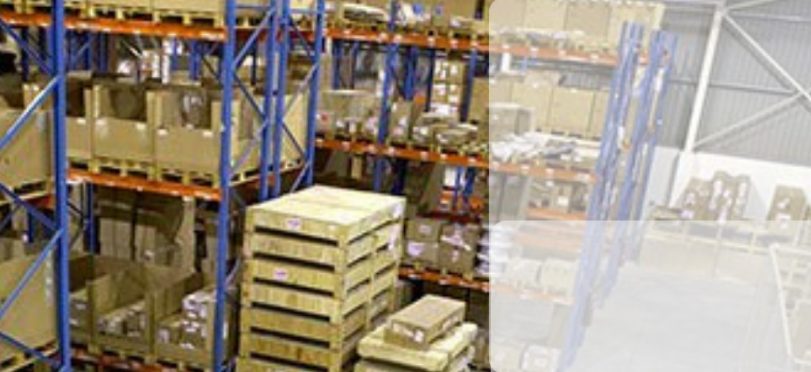
    Warehousing is an industry with a wide scope of challenges and risks that necessitate a safety culture to prevent incidents. Every warehouse is unique in its layout, equipment and operation as such, for this article I will outline the major areas of risk and the broad brush management strategy required to help make the work and business safer.

    WAREHOUSE SAFETY TIPS

    TRAFFIC:

    One of the most common activities in a warehouse environment, that presents the greatest exposure to risk, is foot traffic, this simple activity becomes more hazardous when you factor in machinery, conveyor systems, and powered equipment.

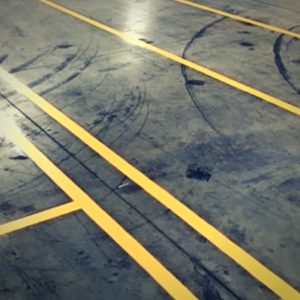
    Having a quality setup to keep pedestrians safe is as simple as planning walk routes, marking walk routes, and providing guardrails in high hazard areas.

    Tips to keep pedestrians safe in a warehouse
    • Be aware that forklifts do not stop suddenly. They are designed to stop slowly in order to minimize load damage and to maintain stability.
    • The best way to avoid a run-in, you should always stand clear of lift trucks in operation.
    • Remember, forklift drivers might have limited visibility due to blind spots.
    • Always use pedestrian walkways, or stay to one side of the equipment.
    • When possible, you should make eye contact with the forklift driver.
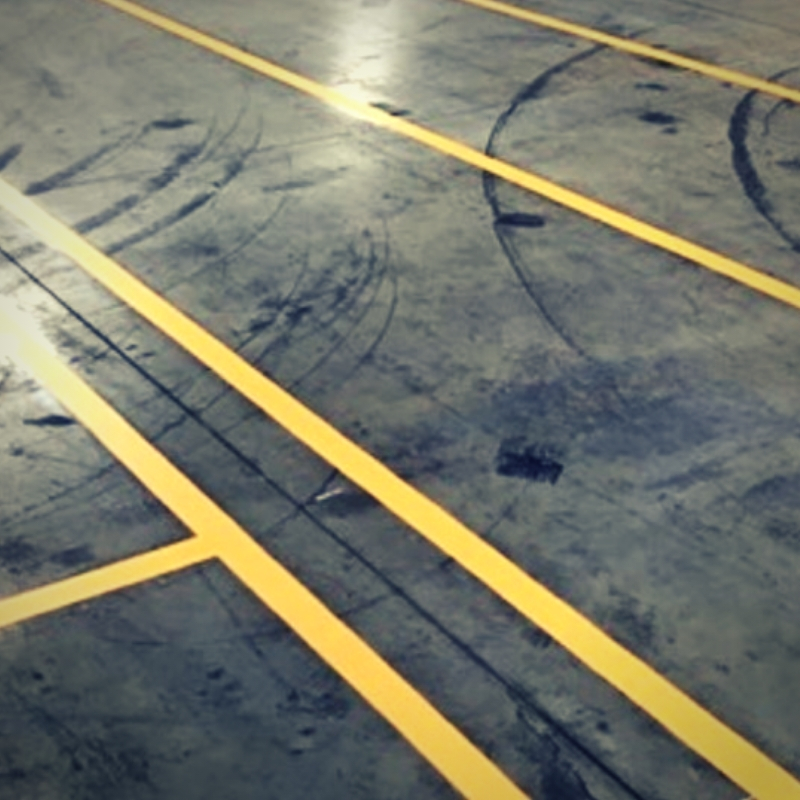
    • Clearly marked walkways: Identifying separate paths of travel for pedestrians as well as forklifts can help to improve traffic flow and reduce the likelihood of both being in the same location at the same time. Physically separating these paths using railings or barriers adds an extra level of separation. While this separation is ideal, it cannot always be attained. When forklift and pedestrian paths are shared, make sure there is adequate walking space on the side of forklift lanes and walkway striping on the floor.
    • Audio/visual indicators: Clear signage should be used as necessary to indicate the operation of powered industrial equipment or other hazards as necessary. In some cases, audible warnings may be more effective depending on the noise level and conditions of the surrounding environment.
    HOUSEKEEPING:

    Good housekeeping is essential for maintaining safety in warehouse environments, especially in reducing hazards for pedestrians:

    • Ensure waste is collected and removed – plastic, pallets etc. all create trip hazards, block fire doors and allow fire risks to increase.
    • Ensure that banding is cut and discarded into waste bins.

    POWERED INDUSTRIAL TRUCKS:

    To maintain a high level of safety in a warehouse environment, proper procedures for forklifts are of the utmost importance.

    Check Out: Safety Standards for Forklift Programs

    • All operators must be trained, in many countries this is a legal requirement, and competent. The training must be for the specific type of fork lift truck.
    • The truck themselves must be maintained and must be checked/certificated by a competent person each year.
    • The safe operation methods of the Fork Lift Truck must be adhered to by the driver.
    • The work area must be tidy and level/even.
    • Unless a specific man cage is available people must not be raised on forks.

    HEIGHTS:

    Many warehouses operate mezzanine floors – these may have gates/doors to allow loads to be lifted via fork lift truck.

    • All such areas must have adequate safety barriers and kick boards
    • Where openings exist for fork lift trucks to move pallets between levels a safe system of work and specifically designed gates are required to ensure the heights are guarded and safe at all times
    • Where pallets are stacked near the edge the pallets must be shrink wrapped – it may also be useful to extend the safety barrier to a greater height to ensure that stacks cannot fall onto the lower level.
    Looking to learn more about powered equipment safety? Check out the Powered Equipment Inspection Books I have published on Amazon, or any of my other posts on powered equipment safety


    STACKS:

    • Ensure all staff are trained
    • Ensure that supervisors check all stacks frequently
    • High stacks should be shrink wrapped and tied as required.
    • No person should climb a stack or shelving.

    FIRE SAFETY:

    The nature of goods being handled, the age of the warehouse, the fire protection in place and other factors all impact on the fire risks of a warehouse. However we can generally say that to reduce risks:

    • Ensure supervisors inspect their area regularly – fire exits and fire lanes must be kept clear.
    • Ensure you undertake regular fire drills
    • Ensure that emergency lighting is correctly positioned – is it blocked by high stacks/shelving.
    • Ensure that fire exit signage is clear and visible – the nature of warehouses means that exit signs frequently become obscured. Consider high level signage or floor paint.

    A Fire Prevention plan is a solid component of a fire safety program, learn more here

    GENERAL SAFETY:

    • The company should have a clear safety policy
    • The company should have proper hazard assessments for all their work activities
    • Regular safety inspections are conducted, whether internally or by an outside contractor.

    The range of issues within a warehouse can include many other factors – security concerns in bonded warehouses can impact on emergency measures, fuel is generally used and may need safe systems of work developing, equipment such as break pits, roller trays may reduce some of the work risks but do introduce new risks into the workplace that will require safety systems and training.

    Check Out: How to Put together a Workplace Safety Training Workshop

    It is essential that traffic risks are managed; the following pathway highlights the main controls:

    • Attempt to remove blind spots such as sharp corners or doors that exit not roadways. Use pedestrian barriers near to doors and main staff walkways to physically separate people and vehicles where possible.
    • Clearly mark any pedestrian walkways for operational needs within the yard and warehouse floor – use zebra crossings where people will cross vehicle routes
    • Where vehicle routes narrow or there are entrances to the warehouse ensure people and vehicles are separated. Use a pedestrian entrance and a vehicle entrance – these are high risk spots.
    • Ensure lighting is adequate.
    • All entrances to the operational area should have warning signs for moving vehicles and fork lift trucks operating.
    • Site speed limits should be displayed and enforced.
    • Use a traffic management system – ideally a one way route especially in the yard.
    • Ensure all staff and visitors wear high visibility jackets in areas where vehicles are moving – this includes the main warehouse due to fork lift trucks.
    • Ensure all vehicles are maintained, that owned trucks and vans have alarms when going in reverse and that warning lights are working
    Check Out: Establishing a Safety Committee


    MANUAL HANDLING:

    Ensure that work is assessed to reduce risks such as twisting, repetitive handling by design and by providing suitable equipment. Equally safe level work areas, adequate benches, adequate lighting can all improve the safety of manual handling tasks.

    Ensure all staff are suitably trained in manual handling tasks

    The dock doors are a very high risk area – ensure you develop a full safe system of work for this area, ideally keeping people away from the area due to the risks from reversing vehicles with escape areas.

  • Safety Standards for Forklift Programs

    Safety Standards for Forklift Programs

    As part of establishing proper safety standards for a forklift program, besides site specific safety precautions, you must be aware of OSHA requirements and know how to apply them.


    If you are going to implement your own in-house operator training program, you should make yourself familiar with the OSHA standards for Powered Industrial trucks and any relevant operator’s manuals for the specific equipment at your workplace. OSHA mandates that your forklift operators meet or exceed the requirements of the OSHA standard 1910.178.

    Proper safety standards for powered industrial truck training

    • Identify the types of powered industrial trucks in your workplace and those employees who will be required to operate the vehicles.
    • Identify your training methods.
    • Develop the content for your training program.
    • Provide for employee evaluation.
    • Include refresher training.

    It is important to recognize that training, although essential, will not be enough to eliminate accidents. To be most effective, operator training should be part of a larger comprehensive powered industrial truck safety program that includes the following elements:

    • Hazard identification and possible solutions.
    • Training (of both truck operators and those personnel working near lift trucks) and evaluation of operator competence.
    • Supervision (site survey, ongoing hazard assessment).
    • Operating procedures (company policies, recordkeeping, safety practices).
    • Maintenance and repair procedures.
    • Facility design.
    • Lift truck selection criteria (equipment survey of truck types, attachments and modifications).

    Truck-related Topics to Include in Driver Training [29 CFR 1910.178(l)(3)(i)]

    • Operating instructions, warnings, and precautions for the types of truck the operator will be authorized to operate.
    • Differences between the truck and the automobile.
    • Truck controls and instrumentation: where they are located, what they do, and how they work.
    • Engine or motor operation.
    • Steering and maneuvering.
    • Visibility (including restrictions due to loading).
    • Fork and attachment adaptation, operation, and use limitations.
    • Vehicle capacity.
    • Vehicle stability.
    • Any vehicle inspection and maintenance that the operator will be required to perform.
    • Refueling and/or charging and recharging of batteries.
    • Operating limitations.


    As part of the safety standards of a comprehensive forklift safety program, you should have a daily forklift safety checklist, so equipment concerns are properly identified and corrected, and to ensure OSHA compliance(1910.178(q)(7)). OSHA does not mandate that the daily forklift inspections be recorded. Therefore, it is the employer’s discretion to establish the time period of powered industrial truck evaluation record retention.

    So, despite the fact that OSHA does not mandate it, employing forklift assessment checklists, either written or electronic, are recommended for two reasons:

    • Makes certain that each of the fundamental features of the vehicle are inspected regularly, as well as
    • Provides you with proof to an OSHA inspector that the vehicles have been inspected like mandated.
    Check Out: OSHA General Duty Clause

    Recommended Forklift Safety Checklist Items:

    1. Does the forklift specification meet the operating requirement?
    2. Is clear forklift load placard provided?forklift safety standards
    3. Is seat belt provided and operable?
    4. Is the maximum speed controlled?
    5. Do horn, reversing beeper, proximity indicator and flashing light function properly?
    6. Is falling object protective structure (FOPS) provided on the forklift?
    7. Is the appropriate maintenance performed regularly?
    8. Are forklift maintenance and repair records maintained?
    9. Is there enough fuel inside forklift?
    10. Is forklift battery charged?
    11. Are the forklift tires in good condition?
    12. Do the forklift brakes work?
    13. Does the steering work well?
    14. Does the gear control work?
    15. Are the left and right mirrors available and clear?
    16. Do all indicators and gauges function properly?
    17. Are there any liquid leaks from the forklift?
    18. Are fuel, oil, hydraulic fluid and coolant levels enough?
    19. Is portable fire extinguisher fitted on the forklift?
    20. Is wearing hard hat a must for forklift operators?
    21. Any other personal protective equipment such as eye goggles, ear plugs and safety shoes required to be worn?
    Looking to learn more about powered equipment safety? Check out the Powered Equipment Inspection Books I have published on Amazon, or any of my other posts on powered equipment safety

    Powered Equipment Safety Standards that are often overlooked:

    • Approved trucks need to have a visible plate or some kind of identifying mark stating that it has been approved by the testing laboratory, this is usually included on a purchased truck. Routinely inspect to ensure that this plate remains attached.
    • Any modifications that affect the capacity and operation of the machine cannot be made without written consent of the manufacturer.
    • If the machine has had a front end attachment added to it, the user must see that the machine plate be updated to identify the use of the attachment, and the proper weight handling of the equipment when using the attachment.


    When establishing an OSHA compliant forklift program, or reviewing your current program, below are some site specific questions you should use as guidelines:

    Site Specific Powered Equipment Safety Standards

    1. Are there speed limits for powered equipment on site? Are they posted? Is the equipment speed limited?
    2. Are there appropriate traffic management plans at the plant site to prevent collision of forklifts with people and other mobile equipment by separating them in time or space? Do you have STOP signs posted? Do you have walkways for pedestrians clearly mapped out?
    3. Are all safety procedures related to forklift inspection, operation, clean up and maintenance established, maintained and communicated to related workers?
    4. Does monitoring and supervision system for ensuring all safety standards work?
    5. Do work schedules remove completely the necessity for extreme forklift speed?
    6. Are uncertified drivers allowed to operate forklift? Do you have a visible license requirement to ensure this?
    7. Is safe distance from the edge of ramps, docks, drains, gutters, floor openings and any other opening and obstacles established to prevent forklift accident?
    8. Are every ramp or dock edges safeguarded and visibly marked?
    9. Is the procedure for the safe battery charging or fuel filling established?


    Now that we have established how to set-up a quality training, OSHA compliant training program, and understand how to identify site specific safety concerns, it is important to also have a solid record retention program.

    Despite the fact that OSHA does not mandate the daily safety checklists be maintained, it is a best practice to retain them for a period of time, to establish to an OSHA inspector that the mandated inspections are performed.


    You can follow this suggested Daily Safety Checklist record retention procedure, if you do not have an electronic form:

    • Have each daily checklist maintained on the equipment for the current day.
    • Have each form turned in to the supervisor at the end of the shift.

    Maintain the records for 14days.


    Forklift maintenance records should be maintained in a separate file. If the records are not maintained electronically, you can follow my suggested procedure:

    • Make a hanging file folder for each piece of equipment, organized by serial number.
    • Work with your repair vender, to invoice each repair or purchased parts by equipment serial number.

    Maintain these records for 2years.


    Establish a driver training log, so that you can provide an OSHA inspector with the list upon request, as well as track retraining dates. I suggest maintaining these records electronically, but if that is cost prohibitive, or if you want a physical copy as backup, here is my recommended procedure:

    • Combine each certified driver’s test, and equipment specific evaluation forms.
    • File each alphabetically in a binder, which is maintained by training year.
    • Once a month, audit the records against a list of terminated employees, remove those records and file in a terminated employee binder for the year.

    Maintain these records for 3years.

    890402767-forklift-safety-trained-300x300.png


    Quality safety standards, a solid driver training program and a comprehensive record retention process are what is needed to ensure your program is safe and effective.


Deprecated: Hook setted_transient is deprecated since version 6.8.0! Use set_transient instead. in /home/kevinian/public_html/wp-includes/functions.php on line 6170