
Blog

  • Hazard Communication Program – Example

    Hazard Communication Program – Example

    According to OSHA, the purpose of the Hazard Communication Standard is “to ensure that the hazards of all chemicals produced or imported are evaluated and details regarding their hazards are transmitted to employers and employees.” The purpose behind the HAZCOM standard is that employers and employees have the right to know the hazards and identities…


  • Bloodborne Pathogen Plan

    Bloodborne Pathogen Plan

    Bloodborne pathogens are diseases that can be carried in the bodily fluids of a person. Employees can be infected in many different ways within the workplace, such as while performing first aid, cleaning up after an accident, or even cleaning the bathrooms. Many workplaces assume that bloodborne pathogen regulations don’t pertain to them, because they…


  • Spill Response Plan – Training

    Spill Response Plan – Training

    Developing an effective Spill Response Plan involves a lot of planning and thinking ahead to manage the worst type of spill that could happen. Take it step by step and decide how to handle each problem. Then obtain the necessary supplies and train all employees in their use. Last, anticipate and plan for a disastrous…


  • Powered Industrial Vehicle Policy

    Powered Industrial Vehicle Policy

    Powered Industrial Vehicles(or Trucks) are used across many industries. Unfortunately many businesses, big and small, fail to follow OSHA guidelines when it comes to these types of machines. What is considered a powered industrial vehicle? This can be a piece of equipment that gets power from batteries, propane, gasoline, or other fuel source. The tires…


  • Simple Incident Investigation Policy

    Simple Incident Investigation Policy

    Accidents happen in the workplace. It’s an unfortunate but true fact. In despite of all the hard work companies do to avoid accidents, occasionally something goes wrong. When it does it’s important to conduct a thorough investigation into what went wrong. After all, it’s even more of a tragedy if someone else gets hurt or…


  • Workplace Safety Meetings – 7 Ways To Increase Their Effectiveness

    Workplace Safety Meetings – 7 Ways To Increase Their Effectiveness

    Have you ever wished your workplace safety meetings were more interesting, more engaging, more productive, and more rewarding? Perhaps you desire to improve your work force’s knowledge of office safety or general ethics of safety at work- but you just run out of ideas on how best to do this. Then you need not bother…


  • Aerial Lifts

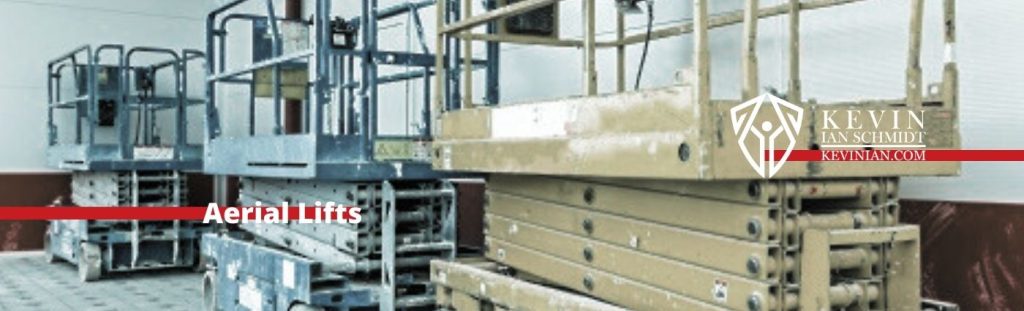
    Aerial Lifts

    Aerial lifts, often called scissor lifts, are powered and mobile platforms that are used for elevating workers to various heights, which exposes workers to fall hazards. An aerial lift presents an interesting situation in the workplace. Many employers treat these as powered equipment, when by regulation, they are actually considered scaffolding and have different requirements.…


  • Accident Prevention Planning Form

    Accident Prevention Planning Form

    After conducting a thorough accident investigation, you will come up with corrective actions. These corrective actions need to be implemented for change management. Corrective and preventative actions are generated from varying sources including safety meetings, inspections, accident investigations, unsafe act and unsafe condition reporting and from audits, and are simply measures that need to be…


  • Fatality, Amputation, and Hospitalization Report

    Fatality, Amputation, and Hospitalization Report

    OSHA has specific reporting requirements for serious injuries that occur within a facility. The OSHA notification requirements are as follows: Hospitalization: This is for a work related hospitalization, and must be reported within 24 hours; Amputation: This is for a work related amputation, and must be reported within 24 hours; Loss of Eye: This is…


  • Does your workplace need fall protection?

    Does your workplace need fall protection?

    Does your workplace need fall protection? Do you know what is needed to keep your employees safe and within regulation? Fall Protection Requirements in 1910 General Industry OSHA requires some form of fall protection for employees working at heights greater than four (4) feet in General Industry (1910). Many are unaware that there are numerous…