
Deprecated: Optional parameter $full declared before required parameter $zip_path is implicitly treated as a required parameter in /home/kevinian/public_html/wp-content/plugins/unyson/framework/extensions/backups/includes/module/tasks/class--fw-ext-backups-module-tasks.php on line 985

Deprecated: Optional parameter $option_id declared before required parameter $value is implicitly treated as a required parameter in /home/kevinian/public_html/wp-content/plugins/unyson/framework/extensions/megamenu/helpers.php on line 193
Kevin Ian Schmidt - Page 16 of 26 -

Blog

  • Process Safety Management Basics

    Process Safety Management Basics

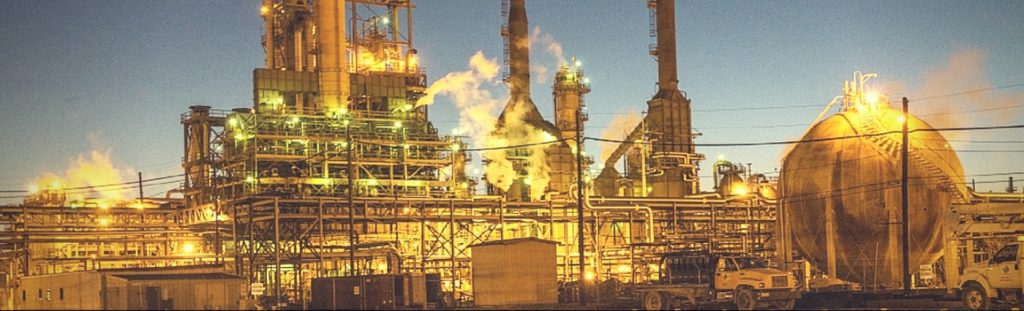
    Unexpected releases of toxic, reactive, or flammable liquids and gases in processes involving highly hazardous chemicals have been reported for many years. Incidents continue to occur in various industries that use highly hazardous chemicals which may be toxic, reactive, flammable, or explosive, or may exhibit a combination of these properties.

    Regardless of the industry that uses these highly hazardous chemicals, there is a potential for an accidental release any time they are not properly controlled. This, in turn, creates the possibility of disaster.

    Record Disasters

    Several major disasters involving highly hazardous chemicals drew international attention to the potential for major catastrophes; the public record in the U.S. is replete with information concerning many other less notable releases of highly hazardous chemicals.

    Hazardous chemical releases continue to pose a significant threat to employees and provide impetus, internationally and nationally, for authorities to develop or consider developing legislation and regulations to eliminate or minimize the potential for such events.


    On July 17, 1990, the U.S. Dept. of Labor, OSHA issued the “Process Safety Management of Highly Hazardous Chemicals” (PSM) (29 CFR 1910.119), containing requirements for the management of hazards associated with processes using highly hazardous chemicals to help assure safe and healthful workplaces.

    OSHA’s PSM standard emphasizes the management of hazards associated with highly hazardous chemicals and establishes a comprehensive management program that integrates technologies, procedures, and management practices.

    The Clean Air Act Amendments and the PSM Standard

    Shortly after the publication of OSHA’s proposed PSM standard, Congress enacted the Clean Air Act Amendments (CAAA) which contained revisions to the Clean Air Act of 1990.

    Section 304 of the CAAA requires that the Secretary of Labor, in coordination with the Administrator of the Environmental Protection Agency (EPA), promulgate a PSM standard to prevent accidental releases of chemicals that could pose a threat to employees.

    The CAAA also requires that the PSM standard include a list of highly hazardous chemicals which includes toxic, flammable, highly reactive, and explosive substances.

    CAAA Requirements for the PSM Standard

    The CAAA requires that the standard include a list of highly hazardous chemicals which includes toxic, flammable, highly reactive, and explosive substances. These requirements have become widely known as the “14 PSM Program Elements.

    OSHA’s Final PSM Standard

    The final PSM standard was promulgated in 1992 and requires the employer to incorporate each of the 14 key elements in a formal PSM program. The key provision of final PSM standard is process hazard analysis (PHA)—a careful review of what could go wrong and what safeguards must be implemented to prevent releases of hazardous chemicals. Employers must identify those processes that pose the greatest risks and begin evaluating those first.

    PSM clarifies the responsibilities of employers and contractors involved in work that affects or takes place near hazardous processes to ensure that the safety of both plant and contractor employees is considered.

    The standard also mandates written operating procedures; employee training; pre-startup safety reviews; evaluation of mechanical integrity of critical equipment; and written procedures for managing change. PSM specifies a permit system for hot work; investigation of incidents involving releases or near misses of covered chemicals; emergency, action plans; compliance audits at least every three years; and trade secret protection.

    Benefits of an Effective PSM Program

    Effective PSM helps ensure the proper development of plant systems and procedures to prevent unwanted releases which may ignite and cause toxic impacts, local fires, or explosions in plants and installations.

    PSM can also improve:

    • the operability, productivity, stability, and quality of the outputs of hazardous chemical processes; and
    • the design and specification of safeguards against undesirable events.

    Effective PSM results in tangible benefits such as reduced exposure to lawsuits, OSHA penalties, public liability claims, and hikes in workers compensation insurance premiums.

    Other intangible benefits include higher morale, increased trust, and an improved corporate image – the community sees the company as a responsible corporate citizen.

    The final PSM standard mainly applies to manufacturing industries – particularly, those pertaining to chemicals, transportation equipment, and fabricated metal products. Other affected sectors include natural gas liquids; farm product warehousing; electric, gas, and sanitary services; and wholesale trade. It also applies to pyrotechnics and explosives manufacturers covered under other OSHA rules and has special provisions for contractors working in covered facilities.

    The various lines of defense incorporated into the design and operation of the PSM process should be evaluated and strengthened to make sure they are effective at each level. Process safety management is the proactive identification, evaluation and mitigation or prevention of chemical releases that could occur as a result of failures in processes, procedures, or equipment.

    Check Out: Ignoring Workplace Safety

    What is a “process?”

    To understand PSM and its requirements, employers and employees need to understand how OSHA uses the term “process” in PSM.

    1. Any group of vessels which are interconnected, and
    2. Separate vessels which are located such that a highly hazardous chemical could be involved in a potential release

    For purposes of this definition, any group of vessels that are interconnected, and separate vessels located in a way that could involve a highly hazardous chemical in a potential release, are considered a single process.

    What industries does PSM focus on?

    The process safety management standard targets highly hazardous chemicals that have the potential to cause a catastrophic incident.

    OSHA’s standard applies mainly to manufacturing industries–particularly those pertaining to chemicals, transportation equipment, and fabricated metal products.

    Other affected sectors include those involved with:

    • natural gas liquids
    • farm product warehousing
    • food processing
    • electric, gas, and sanitary services
    • wholesale trade
    • pyrotechnics and explosives manufacturers

    It has special provisions for contractors working in covered facilities.

    Who is Not Covered by the PSM Standard?

    The PSM standard does not apply to the following:

    • retail facilities;
    • oil or gas well drilling or servicing operations;
    • normally unoccupied remote facilities;
    • hydrocarbon fuels used solely for workplace consumption as a fuel (e.g. propane used for comfort heating, gasoline for vehicle refueling), if such fuels are not a part of a process containing another highly hazardous chemical covered by this standard; and
    • flammable liquid stored in atmospheric tanks or transferred which are kept below their normal boiling point without benefit of chilling or refrigerating and are not connected to a process

    To control these types of hazards, employers need to develop the necessary expertise, experience, judgment, and initiative within their work force to properly implement and maintain an effective process safety management program as envisioned in the OSHA PSM standard


  • The Challenge of Employees to Report All Safety Incidents

    The Challenge of Employees to Report All Safety Incidents

    Incident reporting is a vital component of creating a safer workplace. For the purpose of this article, an incident is any event which results in plant and equipment damage, injury or a “near hit.” The organization can only learn and change when there is a culture of full reporting. Prevention can only take place when there is sufficient knowledge to introduce change to the circumstances which created the incident. The importance of “near miss” cannot be emphasized enough. It is this behavior or the circumstances that are the precursor of an event causing loss.

    Getting employees to report all incidents can be quite challenging. Plenty of companies have rules and policies that require the reporting of every single incident. The employee are clearly informed that they have been told and told frequently that accidents and incidents must be reported.

    They are told that if they fail to report an accident or an incident, they will lose their job or be punished in some way. The threat of punishment is designed to make them comply with the rule. This creates a problem with the consequences of reporting an incident. The employees believe that reporting an incident will end up in a witch hunt so that blame can be apportioned. T

    This is why it is so hard to get people to report incidents consistently and frequently.

    The consequences if they don’t report are severe and the consequences if they do report may potentially be even worse. Given these choices is clear that by not reporting they have a better chance of avoiding consequences. When there is a system of reporting, maintaining it is just as difficult. Getting people to report depends on two major factors.

    Firstly, it must be easy for them to report.

    Secondly, work must be carried out to minimize anxiety.

    Making it easy for people to report means that reporting forms are easy to find and accessible at all times. The design of the report must be simple and easy to complete either in a hard copy form or online. The questions must be set up in a logical fashion and pass the common sense test. This is a true system whether using paper forms or an online reporting system.

    Check out this simple accident reporting form

    When the system of reporting is installed there will be considerable anxiety until people are reassured by the consequences over a period of time. Initial anxiety can include, what will happen to the report? Who will see it? Am I damaging my career or career of others by submitting the report? Will I be subject to legal action if I report an incident?

    To counter that anxiety, it is important that there is a written policy clearly explaining to everybody in the organization everything they should know about reporting. The policy should include what the consequences of reporting could be, what obligations people have to report, what rights and privileges they have and what protection they may expect. Without a written policy, uncertainty will prevail, and with uncertainty, reporting will be minimized.

    Remove the Risk and Create the Right Environment For Incident Reporting

    When the company safety culture encourages reporting using positive reinforcement, the rate of reporting increases. The people who are reporting the incidents are certain that they will not be blamed or punished because of their errors of judgment or mistakes. When this environment prevails, the staff within the organization understand that they can benefit much more by learning from the mistakes that have been made rather than being subjected to blame.

    In most organizations, people do not feel that they can safely report incidents because reporting them can carry with it an element of risk. The risk lies in the possible consequences initiated by the supervisor, the manager, as well as the organization. People will be reluctant to report when they are unaware of their rights and obligations. There is also a sense of nervousness regarding the information being used outside the organization. When people feel this way, they will actively avoid reporting. These fears and doubts have to be eliminated to create the correct environment for incident reporting. Not only does it have to be said but also practiced because people will believe and trust the behavior before they believe the words.

    Check Out: Incident Report Writing Guide

    The reasons why reporting is so difficult to initiate are deeply embedded in the culture of the organization. This is why the organization must develop a consistent approach to the consequences of reporting. People avoid reporting not because they’re dishonest but because they simply don’t know the consequences of reporting, so they are uneasy about these unknown consequences. The organization and its management must be consistent in setting down what the consequences are for reporting and then stick to them.

    The other barrier to comprehensive reporting is that the people know the consequences and believe that there is no point in reporting because the organization will not respond.

    For the organization that is intent on creating a safer workplace, there is some serious work to be done in creating an environment which encourages people to report incidents. They have to make clear what the procedures and rules for reporting entail, the reporter’s rights and obligations and how the reporter will be protected when they report.

    Check Out: Tips to Improve Accident Reporting

    Punishment is an Ineffective Leadership Strategy

    The measure of a leader is their ability to create an environment where followers produce their discretionary effort. Discretionary effort is probably best described as, “The behavior that a person chooses to do, but they wouldn’t be punished if they didn’t.” Without a doubt, it has been clearly established that discretionary effort is the outcome of positive reinforcement and never punishment. This means that the organization that uses punishment will never achieve significant levels of discretionary effort from their staff. From a leadership point of view, punishment is counterproductive, yet it can be seen every day in the workplace.

    One of the byproducts of punishment is that the workplace behavior becomes less stable and predictable. On the other hand, positive reinforcement will create stable and predictable patterns of behavior. Look at your organization. During the goal setting process is negative reinforcement factor? If it is, any improvement or development will be limited to the goal. Just enough to avoid any negative reinforcement. The logic is inescapable. Positive reinforcement must be the preferred consequence in business for the simple reason that it is the only consequence that produces discretionary effort. Negative reinforcement has some unpleasant and unwelcome side effects. When it is used to as the predominant consequence, things start to go wrong. Absenteeism increases, staff turnover increases, disputes increase, blame becomes endemic and morale sinks.

    When you look at the two methods of reinforcement, either positive or negative, it’s clear that the way to achieve anything is the use of positive reinforcement rather than punishment. Regrettably, negative reinforcement is by far the most common method of delivering consequences in today’s workplace. The majority of managers and leaders don’t know they are doing it. Groups that are managed by negative reinforcement, don’t say anything in case there is some form of retribution. Often, they won’t even give their opinion anonymously for the same reason.

    Frequently, leaders may think that because they have very few face-to-face interactions with their teams, that they can’t possibly be negatively reinforcing them. Unfortunately, when there is no active, frequent and consistent positive reinforcement the effect is the same as constant and consistent negative reinforcement. This is how the group members perceive the way that they are being treated. The neglect of positive reinforcement creates negative reinforcement. This is clearly shown by the person in a leadership position who says, “You get on with the job and you will only hear from me if it goes wrong.” Obviously, this will not generate any discretionary effort and the person doing the job will take no risks, use no creative methods and to the barest minimum. This is obviously not very good formula for high performance

  • The Seven Biggest Opportunities for Cost Savings in a Supply Chain

    The Seven Biggest Opportunities for Cost Savings in a Supply Chain

    Within supply chains there are areas that some would call the “seven deadly sins” (according to quite a few articles I have read), but I would prefer to see these as cost saving and improvement opportunities that would make a supply chain more competitive. They are in short the ability to reduce overproduction, the ability to eliminate delays or waiting times, the ability to cut out any form of unnecessary transportation, the ability to reduce any kind of motion that people engage in that is unnecessary, the ability to reduce inventory, the ability to optimize the use of space and the ability to minimize the corrections needed or returns handled.

    7 Biggest Opportunities for Cost Savings in a Supply Chain

    • Mismatched processes. Within an overall process, such as order supplies and produce finished goods, there may be several different processes, such as the supplier’s own process to deliver, the reception and stocking process within the client enterprise, and so on. If the end of one process does not dovetail with the beginning of the next one, there may be interruption and duplication of work, both of which increase costs. For example, if a supplier’s product codes or pallet sizes do not match those used by the enterprise, products will have to be recoded and reorganised. In the consumer packaged goods sector, this problem is big enough to have prompted the use of collaborative planning, forecasting and replenishment (CPFR) between manufacturers and retailers. The same idea can be applied in other sectors too.
    • Streamline Ordering Process: You need to make your ordering process as efficient as possible. This means at least a couple of things. Use a single software package for completing requisitions or else you might encounter situations where employees using different applications end up ordering too much of specific products or inventory supplies. Another thing to keep in mind is that you need to implement an approval process so that nothing gets ordered without the consent of designated officials.
    • Transportation: Reducing your transportation costs can also boost your supply chain savings. Developing a transportation strategy allows you to consider multiple factors that could lead to reduced costs including, but not limited to, crowdsourced P2P transportation services, in-house product movement via drone, and on-demand shipping container services. From autonomous semi-trucks to warehouse robots, the world of transportation is changing. The more you pay attention to each aspect of your transportation strategy, the better positioned you are to discover cost-saving opportunities.
    Check Out: Basics of Warehouse Safety
    • Outsourcing:Outsourcing is one option you can consider if you want to reduce supply chain costs. Of course, you’ll need to conduct proper due diligence to ascertain whether or not service providers under consideration have the ability to provide enough of a productivity and efficiency benefit to justify your out-of-pocket expenses for such services. Under the right set of circumstances, an outsourcing arrangement can lead to substantial savings and a property functioning supply chain.
    • Inventory Management: A well-honed inventory management strategy is crucial for decreased supply chain costs. Everything from incorrect stock picks and tracking errors to under-stocking and over-stocking can influence warehouse profits. A sound inventory management strategy includes multiple factors like a procurement plan and failure analysis (for when the inevitable mistakes happen). Without a clear plan in place for each aspect of inventory handling, you can’t spot inefficiencies or uncover potential cost savings. From preventing product theft to drop-shipping partnerships, each aspect of your inventory supply chain needs to be examined.
    Check Out: Inventory Shrink can be a Hidden Cost
    • Make Better Use of Space: Making the most of the space you have will save you money at the end of the day. As you no doubt already know, storing inventory and supplies in your warehouse comes at a cost. Assess whether or not you’re making the most of the space you have. You just might discover that you could save some money by finding a space that’s more in line with your actual needs.
    • Supplier Management: If there is a cost that is almost immeasurable, it is when your supplier is unexpectedly unable to deliver. By working more closely with them and their systems, you can see the drop-outs before they happen and take steps to manage your lead times.
          • Use Multiple Suppliers: If you only use one supplier, you are eliminating competition for your orders. Find several suppliers who can compete on price, and use several of them at all times so you can avoid costly delays in receiving products. If one supplier is out, another may have the items. Using multiple suppliers protects you from spending money for less-than-satisfactory service.

    There are a myriad of opportunities. Those astute enough can employ techniques to cut all the wasteful practices and emerge as market leaders. It takes conscientious monitoring and management of your supply chain though.

  • Basics of Warehouse Safety

    Basics of Warehouse Safety

    Warehousing is an industry with a wide scope of challenges and risks that necessitate a safety culture to prevent incidents. Every warehouse is unique in its layout, equipment and operation as such, for this article I will outline the major areas of risk and the broad brush management strategy required to help make the work and business safer.

    WAREHOUSE SAFETY TIPS

    TRAFFIC:

    One of the most common activities in a warehouse environment, that presents the greatest exposure to risk, is foot traffic, this simple activity becomes more hazardous when you factor in machinery, conveyor systems, and powered equipment.

    Having a quality setup to keep pedestrians safe is as simple as planning walk routes, marking walk routes, and providing guardrails in high hazard areas.

    Tips to keep pedestrians safe in a warehouse

    • Be aware that forklifts do not stop suddenly. They are designed to stop slowly in order to minimize load damage and to maintain stability.
    • The best way to avoid a run-in, you should always stand clear of lift trucks in operation.
    • Remember, forklift drivers might have limited visibility due to blind spots.
    • Always use pedestrian walkways, or stay to one side of the equipment.
    • When possible, you should make eye contact with the forklift driver.
    • Clearly marked walkways: Identifying separate paths of travel for pedestrians as well as forklifts can help to improve traffic flow and reduce the likelihood of both being in the same location at the same time. Physically separating these paths using railings or barriers adds an extra level of separation. While this separation is ideal, it cannot always be attained. When forklift and pedestrian paths are shared, make sure there is adequate walking space on the side of forklift lanes and walkway striping on the floor.
    • Audio/visual indicators: Clear signage should be used as necessary to indicate the operation of powered industrial equipment or other hazards as necessary. In some cases, audible warnings may be more effective depending on the noise level and conditions of the surrounding environment.

    HOUSEKEEPING:

    Good housekeeping is essential for maintaining safety in warehouse environments, especially in reducing hazards for pedestrians:

    • Ensure waste is collected and removed – plastic, pallets etc. all create trip hazards, block fire doors and allow fire risks to increase.
    • Ensure that banding is cut and discarded into waste bins.

    POWERED INDUSTRIAL TRUCKS:

    To maintain a high level of safety in a warehouse environment, proper procedures for forklifts are of the utmost importance.

    Check Out: Safety Standards for Forklift Programs

    • All operators must be trained, in many countries this is a legal requirement, and competent. The training must be for the specific type of fork lift truck.
    • The truck themselves must be maintained and must be checked/certificated by a competent person each year.
    • The safe operation methods of the Fork Lift Truck must be adhered to by the driver.
    • The work area must be tidy and level/even.
    • Unless a specific man cage is available people must not be raised on forks.

    HEIGHTS:

    Many warehouses operate mezzanine floors – these may have gates/doors to allow loads to be lifted via fork lift truck.

    • All such areas must have adequate safety barriers and kick boards
    • Where openings exist for fork lift trucks to move pallets between levels a safe system of work and specifically designed gates are required to ensure the heights are guarded and safe at all times
    • Where pallets are stacked near the edge the pallets must be shrink wrapped – it may also be useful to extend the safety barrier to a greater height to ensure that stacks cannot fall onto the lower level.
    Looking to learn more about powered equipment safety? Check out the Powered Equipment Inspection Books I have published on Amazon, or any of my other posts on powered equipment safety


    STACKS:

    • Ensure all staff are trained
    • Ensure that supervisors check all stacks frequently
    • High stacks should be shrink wrapped and tied as required.
    • No person should climb a stack or shelving.

    FIRE SAFETY:

    The nature of goods being handled, the age of the warehouse, the fire protection in place and other factors all impact on the fire risks of a warehouse. However we can generally say that to reduce risks:

    • Ensure supervisors inspect their area regularly – fire exits and fire lanes must be kept clear.
    • Ensure you undertake regular fire drills
    • Ensure that emergency lighting is correctly positioned – is it blocked by high stacks/shelving.
    • Ensure that fire exit signage is clear and visible – the nature of warehouses means that exit signs frequently become obscured. Consider high level signage or floor paint.

    A Fire Prevention plan is a solid component of a fire safety program, learn more here

    GENERAL SAFETY:

    • The company should have a clear safety policy
    • The company should have proper hazard assessments for all their work activities
    • Regular safety inspections are conducted, whether internally or by an outside contractor.

    The range of issues within a warehouse can include many other factors – security concerns in bonded warehouses can impact on emergency measures, fuel is generally used and may need safe systems of work developing, equipment such as break pits, roller trays may reduce some of the work risks but do introduce new risks into the workplace that will require safety systems and training.

    Check Out: How to Put together a Workplace Safety Training Workshop

    It is essential that traffic risks are managed; the following pathway highlights the main controls:

    • Attempt to remove blind spots such as sharp corners or doors that exit not roadways. Use pedestrian barriers near to doors and main staff walkways to physically separate people and vehicles where possible.
    • Clearly mark any pedestrian walkways for operational needs within the yard and warehouse floor – use zebra crossings where people will cross vehicle routes
    • Where vehicle routes narrow or there are entrances to the warehouse ensure people and vehicles are separated. Use a pedestrian entrance and a vehicle entrance – these are high risk spots.
    • Ensure lighting is adequate.
    • All entrances to the operational area should have warning signs for moving vehicles and fork lift trucks operating.
    • Site speed limits should be displayed and enforced.
    • Use a traffic management system – ideally a one way route especially in the yard.
    • Ensure all staff and visitors wear high visibility jackets in areas where vehicles are moving – this includes the main warehouse due to fork lift trucks.
    • Ensure all vehicles are maintained, that owned trucks and vans have alarms when going in reverse and that warning lights are working
    Check Out: Establishing a Safety Committee


    MANUAL HANDLING:

    Ensure that work is assessed to reduce risks such as twisting, repetitive handling by design and by providing suitable equipment. Equally safe level work areas, adequate benches, adequate lighting can all improve the safety of manual handling tasks.

    Ensure all staff are suitably trained in manual handling tasks

    The dock doors are a very high risk area – ensure you develop a full safe system of work for this area, ideally keeping people away from the area due to the risks from reversing vehicles with escape areas.

  • What To Include In A COOP Plan

    What To Include In A COOP Plan

    COOP (Continuity of Operations Planning) is a United States Federal initiative, required by Presidential directive, to ensure that government agencies are able to continue performing essential functions under a broad range of emergency circumstances. However, COOP planning isn’t just for the government. Any organization that must provide for the health and safety of others in an emergency situation should have a COOP plan in place. Read on to learn what to include in a COOP plan.

    A COOP plan addresses emergencies from an all-hazards approach. The COOP plan should develop procedures for alerting, notifying, activating and deploying employees; identify mission essential functions; establish an alternate facility; and, roster personnel with authority and knowledge of functions.

    The following components are what to include in a COOP plan:

    Mission Essential Functions

    Identifying mission essential functions is the foundation from which all other components of the plan are developed. Any function not deemed to be essential should be deferred until additional personnel and/or resources become available.

    Orders of Succession and Delegation of Authority

    Decide who’s in charge in case of an emergency, and identify orders of succession for agency heads and other key leaders. Ensure that those identified are prepared to perform emergency duties.

    Interoperable Communications

    How can you get in touch with agency personnel, clients, and the community? Consideration should be given to the full spectrum of technological advances now available for communication, including landlines, cellular, emergency satellite Internet, wireless, e-mail, radio, rally points, etc.

    Check Out: Emergency Response Plan Best Practices

    Vital Records and Databases

    The Continuity of Operations plan should account for the identification and protection of vital records and databases at primary and alternate facilities. To the extent possible, agencies should provide for off-site storage of duplicate records, off-site back up or electronic records and databases, and pre-positioning of vital records and databases at the alternate facility. A common solution is co-locating your server on a private network.

    Facility Preparation

    Prepare all furniture, appliances and other free-standing objects so that they are adequately secured. Clearly mark gas and water shut-off valves and post legible instructions on how to shut off each one; keep a set of tools handy to facilitate prompt gas shut-off. List clear directions on accessing your emergency communication tools such as mobile satellite Internet service which can go with you anywhere to provide a vital communications link to emergency services and outside information.

    Check Out: Emergency Action Plan Checklist

    Alternate Facilities

    The Continuity of Operations plan should designate an alternate operating facility with sufficient space, equipment, infrastructure systems, and logistical support to maintain operations for up to 30 days. Physical security and personnel access control measures should be taken into account.

    Training, Testing, and COOP Plan Maintenance

    Your Continuity of Operations plan is not any good if your staff is not familiar with it. Be sure to train on your plan and test it out (and implement revisions as necessary). Review your COOP plan at least annually to incorporate new technologies, procedures, contact information, etc.

  • Tips for Improving the Reporting of Accidents

    Tips for Improving the Reporting of Accidents

    It is important that all workplaces have an effective method of reporting accidents for a number of reasons – severe accidents will need to be reported by law to the relevant agency such as OSHA; accident reports are usually a key fact in Insurance claims and insurance matters; but most of all to help prevent future accidents by understanding what are the primary drivers of accidents at your workplace and the nature/severity of the accidents you experience.

    It is important that all accidents are reported and recorded not just the most severe accidents – all the research done over the years shows us that the accidents with major injuries were usually predictable if we look at the less serious injuries caused by similar factors – near misses and minor injuries probably account for over 80-90% of all accidents, accidents requiring basic first aid another 8-9%; the more severe accidents where people take time off or are badly injured account for around 1-3% of all accidents – thus if we wait for that tiny percentage to happen we’ll never succeed in reducing accidents at work.

    The subject of accident reporting is quite complex and has many factors; but key reasons for not reporting accidents are:

    • The form takes forever to complete
    • “I don’t want to get into trouble for reporting things”
    • “There’s no point; no one ever does anything about them”
    • “I have no idea where the forms are”
    • “It was only a scratch. I’m not filling a form in for that”

    Simplified Forms & Reporting Systems

    No one will deny that there are times you need a lot of information to understand how an accident occurred and how to prevent future ones – but many can be described in a sentence or two.

    Employees and Managers should be able to report most accidents in a matter of minutes – any form that takes more than this to complete is far too complex and will unintentionally discourage reporting.

    Equally it’s easy to get obsessed with forms – but as more workplaces give access to employees for computers, a simple dynamic form that allows for simpler reporting of minor incidents such as near misses or dangerous conditions, and a growing form for a minor injury, and a larger online form for more severe injuries. These allow employees wishing to report simple incidents to do so in a matter of minutes, and also for data collection to be tracked digitally to build a better system of analysis.

    Check Out: Incident Report Writing Guide

    Understanding Why and Encouraging

    If employees think the forms go in a big pile, that its simply about statistics, that issues aren’t fixed they will not report accidents; equally they will not report minor incidents because they don’t always realize that information can save a bigger accident down the line.

    So it’s important that in safety orientations the need to report accidents is stressed, that accident reports are acted upon if solutions are possible -if there isn’t a solution today at least make sure people know you’re thinking about it and obviously that accident reports don’t lead to reprimands as a matter of course.

    Helping the staff see that reporting low consequence accidents today can save their colleague pain down the line is often enough on its own to help encourage reporting.

    Accessible

    Life changes quickly; 20 years ago this was all about having forms on the wall or on the desk – now it’s often about finding them quickly on the Intranet.

    Recognize how and where your staff work – find a solution that suits – web based answers are perfect for office staff – yet old fashioned paper is probably required in a workshop where they can be grabbed quickly.

    But make them simple to find ideally visible to everyone all the time.

    If you’re opting for an online form, make sure it is accessible to everyone! The more peope that can fill out reports, the better chance for more reports.

    Understand the Information

    Employers need to be careful they understand the reports – not just in terms of what they can physically improve but also what the information tells you in terms of patterns. Accident statistics have a very poor reputation for the simple reason they avoid every statistical technique known – raw numbers shouldn’t be discounted but make sure you understand what it tells you.

    Risk Assessments

    Always review your risk assessments – was the accident in question accepted as a potential risk, are the controls in the risk assessment actually in place, is the risk assessment actually workable – or is the risk assessment idealistic and unworkable – and indeed do we need to review the risk assessment.

    Check Out: How to Complete a Risk Assessment

    Self Review

    To work out how effective your accident reporting is there’s some simple questions to which the correct answer better be obvious:

    • Do you have at least 8 times the number of near misses and minor cuts etc as accidents requiring first aid?
    • Do you have at least 8 times as many first aid and low consequence accidents reported compared to accidents that break bones or require staff to have time off work?
    • Does the form take more than 2 minutes to complete for a simple accident?
    • Has any accident report led to a change in the workplace?
  • How to Put Together a Workplace Safety Training Workshop

    How to Put Together a Workplace Safety Training Workshop

    Putting on a workplace safety training workshop is a great way to prepare your employees for an emergency situation. This training workshop will need to include both general safety training for your industry, as well as specific safety training for hazards that directly impact your company, job sector, location. These training workshops need to be given to all of your employees, however, you can offer several sessions to make the group size more manageable.

    5 Steps to a Successful Safety Training Workshop

    classroom safety trainingStep #1 – Determine What General Safety Issues to Deal With

    The first step is to determine what general safety procedures you want to teach your employees about. Common safety issues include medical emergencies, building security and fire emergencies. A good way to handle these training needs is to bring in a professional for each type of general safety issue. For example, you can bring in an instructor to teach employees CPR and general first aid, you can have the fire department put on a demonstration about fire safety and you can have your security company come in to teach your employees how to use the security system and how to stay safe.

    Step #2 – Determine Hazard Specific Issues to Teach

    The next step is to determine company specific hazards to deal with in your training workshop. For example, if your company works with hazardous materials like chemicals, then you will need to include an OSHA standards training segment that deals with the proper handling and safety protocols for chemicals. On the other hand, if you utilize heavy machinery, then you will want to include a segment on proper use of machinery, safety precautions for machine use and what to do if a body part or a foreign object gets caught in the machine.

    Read: 10 Reasons Why Safety Training is Often Ineffective

    Step #3 – Scheduling Concerns

    After you have the format and topics of your workplace safety training workshops in place, your next step is to figure out how to set up the schedule. If you only have a few safety issues to cover then you can schedule one long workshop, however, if there are a lot of safety issues to cover then you will want to divide the issues into several workshops. Another scheduling concern you need to figure out is how to get all of your employees to attend the workshops without leaving your business unsupervised. You have a couple of options. Your first option is to schedule several repeat workshops that allow employees to be scheduled to attend the workshop in groups. Your second option is to hold one workshop for all employees on a day when the business is closed.

    Step #4 – Put Together Your Training Materials

    You need to put together training material for the workshop. This material will include instructions for responding to and managing specific safety issues, general information about each safety issue and a quiz. The material needs to be organized in a binder or folder, and one set of training materials needs to be published for each employee.

    Check Out:  FREE pre-made trainings

    Step #5 – Testing Your Employees

    To ensure your employees have mastered the safety strategies in each segment of your training workshop you need to test them. A simple multiple choice quiz at the end of each segment is sufficient. After passing all of the quizzes you can award each employee with a certificate of completion.

  • Guide to OSHA Requirements for Small Businesses

    Guide to OSHA Requirements for Small Businesses

    Safety is good business and good for business. For the small business owner, initiatives taken to ensure employee and workplace safety are not only the right way to conduct business, but can result in lower costs, increased productivity, healthier profit margins,  and overall stronger employee morale.

    What does OSHA require for small business owners?

    OSHA maintains a set of six guidelines that are common to most general industry employers. These procedures protect yourself, your assets, the public you are in contact with in the course of your business and any employees you may be carrying.

    1. Hazard Communication Standard

    If your business uses or comes into contact with any material that is determined to be hazardous, as an employer it is your responsibility to make this known, mark the area clearly and have a plan in place to deal with any emergencies.

    You must inform and maintain regular training of your employees regarding the proper use or disposal of any hazardous chemicals , as well as keep any storage areas well-maintained and inspected on a regular basis.

    Learn more about the hazard communication standard


    2. Emergency Action Plan Standard

    Depending on the physical size of your business location and the number of employees you may have, OSHA mandates that an emergency plan be available and ready to implement. The plan describes the expectations of both yourself, as the employer, and what your employees need to do to ensure their safety.

    Included in this would be a visible evacuation plan, a means to report fires or other emergencies, a guide to any critical business operations that must be done during an emergency and a method to account for all employee whereabouts during the emergency.

    Learn more about Emergency Action Plans


    3. Fire Safety

    Employers must have a fire prevention plan that addresses the potential areas that a fire could initiate in, such as fuel sources or flammable chemicals. The plan also must address the requirement to install fixed extinguishing systems, such as overhead sprinklers, alarm systems and multiple portable extinguishers that are marked and inspected regularly.

    Learn more about workplace fire safety


    4. Exit Routes

    All exit routes must be marked and available for emergency use. Exit access must be free from obstructions and unlocked. Normally, a workplace must have two exits at a minimum, but depending on the location of your business or the number of employees you have, additional exits may be required.

    Learn all about OSHA standards for emergency exits


    5. Walking / Working Surfaces

    All businesses have areas that must be kept clean, free from debris and well maintained. This includes floors, aisles, stairways, ladders and platforms. Most accidents result from falls on ground surfaces or falls from elevated surfaces.

    Make sure all surfaces are free from anything that could cause a fall and that all stairways have the correct amount of railings. Any scaffolding or powered manlifts must be properly working.

    If you are conducting your business out of your home, these same standards apply. Make sure entrances are free from debris and uneven steps or holes, and that required handicapped access ramps are also easily accessible.

    I have a whole series on Slip, trip, and fall, check out the free policy I have for free here


    6. Medical and First Aid

    Medical and first-aid supplies must be kept on-hand and must be available to employees. As an employer, you need to expect that accidents will happen and be ready to address concerns, either minor or major ones.

    Learn about OSHA requirements for first aid supplies and medical response


    The above six standards apply to any workplace environment, including small business owners. For more information on OSHA requirements, as well as protecting yourself from liability claims, review the OSHA Handbook for Small Businesses.

  • OSHA General Duty Clause

    OSHA General Duty Clause

    As detailed in the Section 5 (The General Duty Clause) of the OSHA Act, the employer is assigned responsibility and held accountable to maintain a safe and healthful workplace. The following is an excerpt from Public Law 91-596, 91st Congress, S. 2193, December 29, 1970.

    Section 5

    (a) Each Employer –

    • (1) shall furnish to each of his employees employment and a place of employment which are free from recognized hazards that are causing or are likely to cause death or serious physical harm to his employees;

    • (2) shall comply with occupational safety and health standards promulgated under this act.

    Employers can be cited by OSHA for violation of the General Duty Clause if a recognized serious hazard exists in their workplace and the employer does not take reasonable steps to prevent or abate the hazard. The General Duty Clause is used only where there is no standard that applies to the particular hazard.


    OSHA-Mandated Responsibilities

    As you can see, employers have clearly defined responsibilities under OSHA, and as the “agent of the employer” the supervisors have the same responsibilities for the employees they supervise. The following list are basic responsibilities stated throughout OSHA standards.

    • Provide employees a workplace free from recognized hazards. It is illegal to retaliate against an employee for using any of their rights under the law, including raising a health and safety concern with you or with OSHA, or reporting a work-related injury or illness.
    • Comply with all applicable OSHA standards.
    • Report to OSHA all work-related fatalities within 8 hours, and all inpatient hospitalizations, amputations and losses of an eye within 24 hours.
    • Provide required training to all workers in a language and vocabulary they can understand.
    • Prominently display this poster in the workplace.
    • Post OSHA citations at or near the place of the alleged violations.

    Identifying Hazards

    The employer is responsible for identifying hazards. It’s useful to categorize them into four categories:

    • The first three categories (materials, equipment, and the environment) represent hazardous conditions. Hazardous conditions are the surface causes directly account for only a small percentage of all workplace accidents.
    • The fourth category (people) describes employee behaviors. Employee behaviors represent the surface causes that contribute to or cause a higher percentage of workplace accidents.

     They are the root causes that ultimately contribute to or cause most accidents.

    Check Out: Guide to OSHA Requirements for Small Businesses

    Let’s review these four categories:

    Materials: liquids, solids and gases that can be hazardous to employees.

    • Liquid and solid chemicals (such as acids, bases, solvents, explosives, etc.) can produce harmful effects.
    • Raw materials (solids like metal, wood, and plastic) used to manufacture products are usually bought in large quantities and can cause injuries or fatalities in many ways.
    • Gases, like hydrogen sulfide and methane, may be extremely hazardous if leaked into the atmosphere.

    Equipment: machinery and tools used to produce or process goods.

    • Hazardous equipment that is improperly guarded and places workers in a danger zone around moving parts could cause injury or death.
    • Lack-of a preventive and corrective maintenance will make it difficult to ensure equipment operates properly.
    • Tools that are not in good working order, improperly repaired, or not used for their intended purpose is only an accident waiting to happen.

    Environment: general area that employees are working in.

    • Poor facility design, hazardous atmospheres, temperature and/or noise can cause stress.
    • If areas in your workplace are too hot, cold, dusty, dirty, messy or wet, then measures should be taken to minimize the adverse conditions.
    • Extreme noise that can damage hearing should not be present.
    • Workstations may be designed improperly, contributing to an unsafe environment.

    People: employees, managers, supervisors, in the workplace.

    • Unsafe employee behaviors include taking short cuts or not using personal protective equipment.
    • Employees who are working while fatigued, under of influences of drugs or alcohol, distracted for any reason, or in a hurry are “walking and working hazards.”

    There is one sub-catergory that is often able to be added, especially when building up a safety culture, and that is:

    Supervision: this is managers, supervisors, directors, top down issues.

    • Management may unintentionally promote unsafe behaviors. For example, they may ignore unsafe work practices.
    • Inadequate or missing safety plans, programs, policies, processes, procedures, practices, and rules (written and unwritten) may somehow result in injury, illness, or death in the workplace.
    • Not training employees how to work safely
    • Not supplying employees with the right tools for the right job.
    Want to learn more about Root Cause Identification?

    Surface Cause Analysis – Why did the accident occur? Here you determine the unique hazardous conditions and unsafe behaviors that interacted to produce the accident. Each of the hazardous conditions and unsafe behaviors uncovered are the surface causes for the accident. They give clues that point to possible root causes/system weaknesses. Examples of surface causes include:

    • A broken ladder
    • A worker removes a machine guard
    • A supervisor fails to conduct a safety inspection
    • A defective tool

    Root cause analysis – Why did the surface causes occur? At this level, you’re analyzing the weaknesses in the safety management system that contributed to the accident. These weaknesses are inadequate/missing safety components such as policies, programs, plans, processes, procedures, or practices. Examples of root causes include:

    • Inadequate or missing safety management system components.
    • Inadequate performance or failure to carry out system components such as: failure to train, failure to provide PPE, and inadequate implementation of safe procedures.
    • Failure to enforce safety rules, discipline for safety infractions or recognize safe performance.
    • Failure to conduct safety inspections, JHAs, and incident/accident investigations
  • Basics of Fleet Safety

    Basics of Fleet Safety

    Effectively managing a fleet of vehicles within a company involves more than mere logistical coordination; it encompasses mitigating risks, ensuring the safety of both drivers and assets, and optimizing operational efficiency. Unfortunately, for many businesses, especially those with a limited number of vehicles or larger enterprises that may overlook the integral role of their fleet, the necessity for a robust Fleet Safety Program can be underestimated.

    A company’s fleet, if not managed with diligence, can become a hidden source of shrink, contribute to accidents, and escalate insurance costs. While logistics and trucking companies often recognize the criticality of focusing on fleet safety due to the nature of their operations, smaller businesses with a handful of vehicles may not fully grasp the importance of implementing a comprehensive safety program.

    To proactively protect both employees and the fleet itself, employers can take several measures:

    1. Establish Comprehensive Policies: Designate a key member of the management team with the responsibility and authority to develop and enforce a comprehensive driver safety policy. This policy should encompass all aspects of safe driving practices, from vehicle maintenance to adherence to traffic regulations.
    2. Mandatory Seat Belt Use: Prioritize safety by enforcing mandatory seat belt use among all drivers. This seemingly simple measure can significantly reduce the risk of injuries in the event of an accident and instill a culture of safety within the organization.
    3. Thoughtful Management of Driving Hours: Avoid requiring workers to drive irregular hours or extend far beyond their normal working hours. Driver fatigue is a common factor in accidents, and establishing reasonable driving hour expectations helps mitigate this risk.
    4. Prohibit Cell Phone Usage While Driving: Implement policies that prohibit workers from conducting business on a cell phone while driving. Distracted driving is a leading cause of accidents, and such policies contribute to a safer driving environment.
    5. Develop Well-Considered Work Schedules: Create work schedules that allow employees to adhere to speed limits and comply with hours-of-service regulations. Thoughtful scheduling promotes safer driving practices and ensures compliance with industry regulations.

    By implementing these comprehensive measures, businesses can transform their approach to fleet management, fostering a culture of safety, responsibility, and accountability. A well-structured Fleet Safety Program not only protects employees but also safeguards the company’s assets and minimizes potential liabilities. In the complex world of fleet management, prioritizing safety is an investment that pays dividends in the form of reduced accidents, lower insurance costs, and enhanced overall operational efficiency.


    Check out this Sample Fleet Safety Policy from Secura Insurance

    Fleet Management

    • Adopt a structured vehicle maintenance program.
    • Provide company vehicles that offer the highest possible levels of occupant protection.

    Safety Programs

    • Teach workers strategies for recognizing and managing driver fatigue and in-vehicle distractions.
    • Provide training to workers operating specialized motor vehicles or equipment.
    • Emphasize to workers the need to follow safe driving practices on and off the job.
    Check out: How to Improve Your Safety Culture

    Driver Performance

    • Ensure that workers assigned to drive on the job have a valid driver’s license and one that is appropriate for the type of vehicle to be driven.
    • Check driving records of prospective employees, and perform periodic rechecks after hiring.
    • Maintain complete and accurate records of workers’ driving performance.

    Source: NIOSH 2004-136:Work-related Roadway Crashes Prevention Strategies for Employers

    I published a Fleet Safety Toolbox Talk on amazon, check it out.

    An unmanaged fleet can cost your company profits, sometimes undetectable on the surface.


Deprecated: Hook setted_transient is deprecated since version 6.8.0! Use set_transient instead. in /home/kevinian/public_html/wp-includes/functions.php on line 6170